
Health
46 entries in 2025 · oldest first

Striving in Yoga: Healthy Ambition vs. Ego-Driven Competition
Yoga, as a practice, has the potential to transform both the body and the mind. It encourages practitioners to explore their edges, deepen their awareness, and grow in their abilities. However, there is a fine line between healthy ambition and ego-driven competition—one that, when crossed, can lead to burnout, disillusionment, and even injury. Striving is a natural human behavior, but in yoga, it requires careful attention. When ambition is fueled by ego rather than by a genuine desire for growth, it distorts the practice and detracts from yoga's deeper spiritual goals.
Read the essay →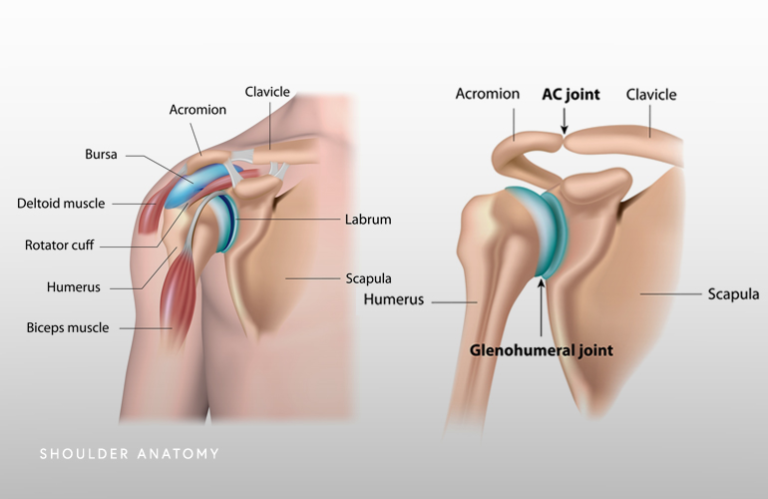
The Shoulder Girdle: Function & Issues
The shoulder girdle is a marvel of engineering, allowing us to reach for the sky and embrace our loved ones. But sometimes, issues can arise that can put a damper on our daily activities. Let's explore the function and common issues of this amazing structure!
Read the essay →
Yoga Teachers and Movie Extras: A Comparison of Pay and Value
https://youtu.be/U3YCoBPbJMM The Screen Actors Guild (SAG), now SAG-AFTRA, has long been an advocate for actors, including those in non-speaking roles such as movie extras. Under SAG's protections, even extras—often seen as the most replaceable individuals on set—are guaranteed minimum pay rates, overtime compensation, meal breaks,…
Read the essay →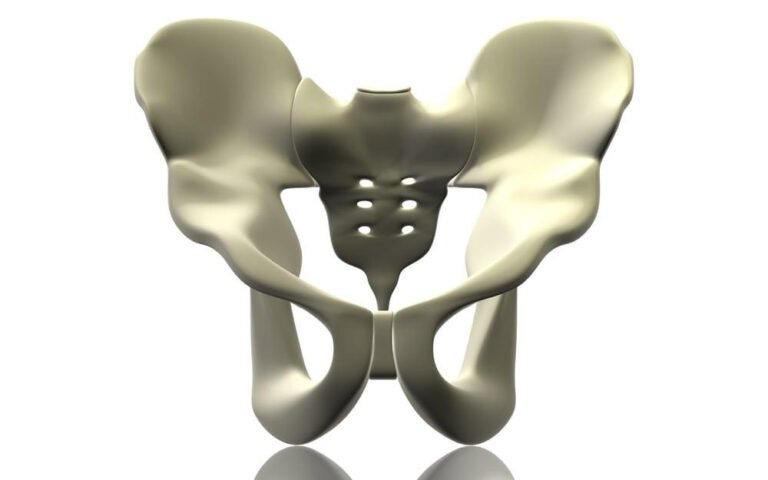
Unlocking Mobility: Mastering Hip Joint Internal Rotation for Enhanced Ashtanga Practice
Discover the transformative power of hip joint internal rotation in your Ashtanga yoga practice! Often overlooked, this vital movement can significantly enhance your strength, flexibility, and alignment across various postures—from deep squats to seated poses like Padmasana. In this insightful blog post, we explore the importance of mastering hip joint internal rotation, how to assess your current mobility, and targeted practices that will unlock new levels of openness in your body. Join me on a journey to elevate your yoga practice by embracing this fundamental aspect of mobility!
Read the essay →
Yoga Enhances Health and Physiological Well-Being
Ashtanga yoga serves as a powerful ally in enhancing health and fostering physiological well-being. From preventative care to symptomatic relief, discover the multifaceted ways in which yoga strengthens our bodily systems and promotes emotional balance. This insightful journey reveals how each practice not only revitalizes physical strength and flexibility but also nurtures mental clarity and emotional resilience. Join us in understanding how this ancient practice can harmonize your life, one breath at a time.
Read the essay →
Five Unexpected Ways Radical Candor Can Make You a Better Yoga Teacher
Many yoga students walk into class thinking they need to “perform” the poses perfectly. If they struggle, they feel like they’ve failed. But when you use Radical Candor—balancing direct feedback with genuine care—you shift their mindset from perfection to progress. Instead of saying, “That alignment is off,” try: ✔ “I love how focused you are—let’s adjust your stance a little so you can move with more ease.” This tells them you see their effort and want to help them grow, not just critique their form. Let's explore a few more.
Read the essay →
Adapting Ashtanga Yoga for Life Long Practice
For many, Ashtanga yoga may evoke images of youthful, flexible practitioners twisting gracefully into challenging poses. This perception, deeply rooted in yoga's modern history, suggests that the practice is predominantly tailored for the young and resilient. This belief, however, overlooks an essential truth about yoga's adaptability and its potential as a lifelong practice.
Read the essay →
Understanding the Causes of Suffering
In our journey through life, we often find ourselves entangled in a myriad of struggles, yet beneath these layers lies a singular root cause—avidya, or ignorance. This profound teaching from Yoga Philosophy invites us to explore the intricate relationship between our perceptions of self and the sources of our suffering. As we delve into the depths of dukkha and sukha, we uncover the transformative power of understanding how our thoughts shape our reality.
Read the essay →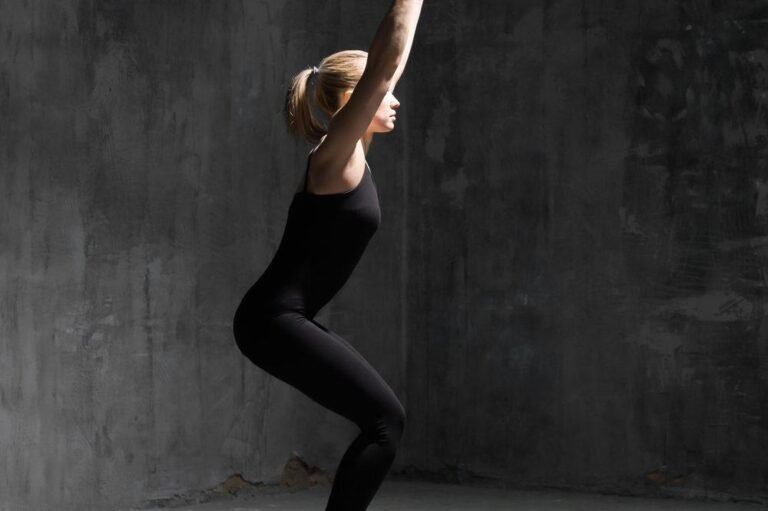
Aligning Insights: Understanding Problem Cues in the Spine and Pelvis for Optimal Ashtanga Practice
Discover the vital relationship between the spine, pelvis, and optimal Ashtanga practice in our latest blog, "Aligning Insights." We’ll explore essential alignment cues such as anterior and posterior tilt, rib flare, and the crucial technique of tucking the tailbone. Learn how to enhance your practice by understanding these problem cues and embodying healthier postural mechanics. With insights drawn from expert research, your journey toward a more aligned and fulfilling yoga experience.
Read the essay →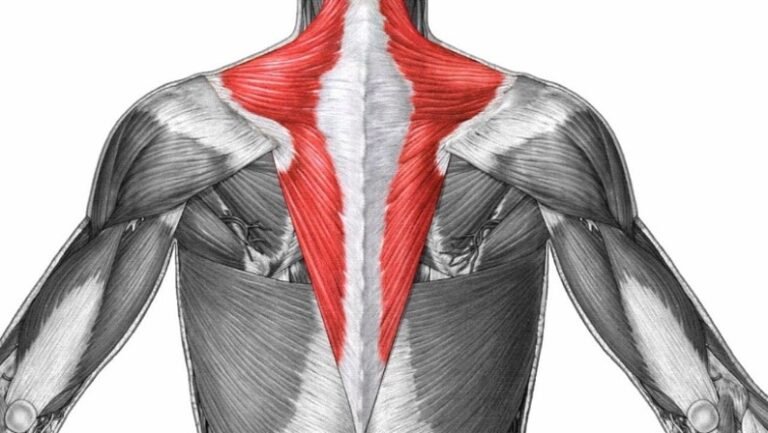
Practical Approaches to Shoulder Range Conditioning
**Unlocking the Power of Your Shoulders: Practical Approaches to Shoulder Range Conditioning** Are your shoulders ready to elevate your ashtanga practice? Often overlooked, shoulder mobility is a cornerstone of injury prevention and overall performance in yoga. In our latest blog post, we explore practical approaches to enhance your shoulder range conditioning—essential for smooth transitions and deeper poses. From Controlled Articular Rotations (CARS) that promote joint health to dynamic stretches and targeted strength training, discover techniques that seamlessly integrate into your routine. Embrace the strength and flexibility of your shoulders, and watch your practice transform. Dive in and learn how to foster mobility that not only supports your physical journey but enriches your mindfulness on the mat.
Read the essay →
I'm excited for you to explore these insights further! Head over to the link and read about the profound benefits that yoga brings to our health: https://michaeljoelhall.com/unraveling-the-benefits-how-yoga-enhances-health-and-physiological-well-being/
HEALTH BENEFITS
or yoga
Read More
1

Navigating Teacher Burnout: Strategies for Self-Care and Healing
Teaching yoga is a profound and fulfilling vocation, yet the weight of responsibility can lead to burnout if we’re not mindful. As Jason Crandell reminds us, the journey is not for the faint-hearted, with challenges such as compassion fatigue, financial worries, and the isolation that can come with the role. In this blog, we’ll explore essential strategies for self-care that will not only help you recognize the signs of burnout but also empower you to take proactive steps towards healing. From nurturing your personal practice to prioritizing rest and connection, discover how you can align your expectations and embrace the journey of teaching without sacrificing your well-being. Join us as we dive into effective self-care techniques designed to rejuvenate your spirit and enhance your teaching capacity—because self-care isn’t just a luxury; it’s a necessity that allows you to shine brighter for your students. Embrace the process and remember, when you prioritize yourself, you elevate your entire practice.
Read the essay →
The Emotional and Physical Challenges of Yoga Practice
Advancing in yoga, particularly in the Ashtanga tradition, is a journey that requires dedication, perseverance, and a willingness to confront both physical and emotional limits. Over the years, I have found myself at the intersection of personal expectations, teacher guidance, and the inevitable boundaries of…
Read the essay →
Understanding Hip Joint Adduction: An Approach to PAILS & RAILS
**Unlocking Your Hip Mobility: The Power of PAILS & RAILS** Dive deep into the transformative world of hip joint adduction and discover how this often-overlooked movement can elevate your ashtanga yoga practice. By mastering the techniques of Progressive Angular Isometric Loading (PAILS) and Regressive Angular Isometric Loading (RAILS), you’ll not only enhance your strength and flexibility but also cultivate a profound connection to your body’s mechanics. Imagine flowing effortlessly through complex postures like *Utthita Trikonasana* or *Padmasana*, all while reducing your risk of injury. This blog will guide you through practical steps to integrate PAILS and RAILS into your routine, shedding light on how to harness the full potential of your hips. Embrace the journey toward greater stability and mobility—your mat awaits!
Read the essay →
**Unlocking Your Hip Mobility: The Power of PAILS & RAILS**
Dive deep into the transformative world of hip joint adduction and discover how this often-overlooked movement can elevate your ashtanga yoga practice. By mastering the techniques of Progressive Angular Isometric Loading (PAILS) and Regressive Angular Isometric Loading (RAILS), you’ll not only enhance your strength and flexibility but also cultivate a profound connection to your body’s mechanics.
Imagine flowing effortlessly through complex postures like *Utthita Trikonasana* or *Padmasana*, all while reducing your risk of injury. This blog will guide you through practical steps to integrate PAILS and RAILS into your routine, shedding light on how to harness the full potential of your hips. Embrace the journey toward greater stability and mobility—your mat awaits!
https://michaeljoelhall.com/understanding-hip-joint-adduction-an-approach-to-pails-rails/?utm_source=SocialAutoPoster&utm_medium=Social&utm_campaign

Understanding Shoulder Abduction Axials: A Practical Guide
**Unlocking the Power of Your Shoulders: A Guide to Shoulder Abduction Axials** Dive into the heart of ashtanga yoga with our practical guide on understanding shoulder abduction axials. This essential movement—lifting the arms away from the body—plays a pivotal role in your practice, enhancing alignment and preventing injuries. Explore the intricacies of shoulder joint rotations, from internal and external rotations to elevation and depression. Discover transformative exercises like Wall Angels and Resistance Bands that can elevate your technique and deepen your connection to the poses. Join us as we unravel the nuances of shoulder movement, aligning your practice with the anatomy of your body for a more mindful and effective yoga journey. Embrace the art of safe and powerful practice—your shoulders will thank you!
Read the essay →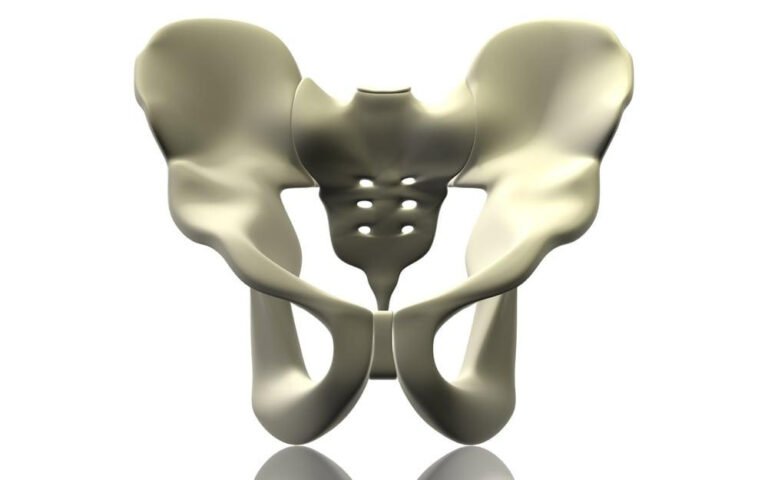
Understanding Hip Joint Flexion: PAILS & RAILS Techniques Explained
**Unlocking Deeper Movement: Mastering Hip Joint Flexion with PAILS & RAILS** Are you ready to elevate your yoga practice? Understanding hip joint flexion is essential for achieving greater mobility and stability on the mat, especially in Ashtanga. In our latest blog post, we delve into the transformative power of PAILS (Progressive Angular Isometric Loading) and RAILS (Regressive Angular Isometric Loading)—two groundbreaking techniques designed to enhance your flexibility and control. Discover how to effectively integrate these methods into your practice, enabling you to push boundaries and explore deeper ranges of motion. Learn the step-by-step approach to strengthen your hip flexors, improve your transitions between poses, and ultimately enhance your overall performance. Join us as we explore not just the mechanics but the profound impact that better hip flexion can have on your daily life. Get ready to move with newfound freedom and confidence! Check out the full article [here](#).
Read the essay →
Understanding the Basics of Pranayama: A Guide for Teachers
**Unlocking the Power of Breath: A Teacher's Guide to Pranayama** Dive into the essential art of pranayama, where breath becomes a transformative tool for enhancing your yoga practice. This comprehensive guide equips teachers with the foundational knowledge to harness and share the profound benefits of breath control—aka *pranayama*. Discover how understanding the intricacies of inhalation, exhalation, and retention can deepen connections, cultivate emotional balance, and elevate the overall experience in your classes. Learn how to safely navigate the delicate dance of *kumbhaka* and *bandhas*, and uncover the ancient wisdom that links breath to life force energy. Whether you're a seasoned instructor or just beginning your journey, this guide offers invaluable insights to enrich your teaching and inspire your students to embrace the breath as a pathway to mindfulness and vitality. Join us on this exploration of breath, and empower your practice one inhale at a time.
Read the essay →
Utkatasana: A Closer Look at the Benefits and Techniques
**Excerpt: Understanding Utkatasana: A Closer Look at the Benefits and Techniques** Step into the transformative world of Utkatasana, or Chair Pose, where strength meets serenity. This foundational asana, often hailed as the "throne pose," invites practitioners to engage deeply with their bodies while cultivating mental clarity. As you simulate the act of sitting in an imaginary chair, you'll discover a multitude of benefits—from building powerful legs and core stability to enhancing flexibility and posture. In this blog post, we dive deeper into the nuances of Utkatasana, exploring essential techniques that can elevate your practice. Learn how to properly align your body for maximum benefit, harness your inner focus, and stimulate your energetic flow. Whether you're a seasoned practitioner or just beginning your yoga journey, mastering Utkatasana offers a unique opportunity to strengthen both body and mind. Embrace the challenge and unlock a new level of empowerment on your mat!
Read the essay →
Virabhadrasana A & B: Understanding the Count and Its Flow
**Unlocking the Warrior Within: A Journey Through Virabhadrasana A & B** Step onto your mat and prepare to unleash the vibrant energy of the Warrior! In our latest blog, "Virabhadrasana A & B: Understanding the Count and Its Flow," we delve into the essence of these powerful standing poses. Discover how the intricate interplay between breath and movement cultivates strength, stability, and an expansive heart. Join us as we break down the 14 transformative actions that guide each posture, ensuring your practice flows with intention and grace. From the grounding stance of Warrior I to the energizing lift of Warrior II, learn the anatomical nuances that foster alignment and engagement. Whether you're a seasoned practitioner or just beginning your yogic journey, this exploration promises to deepen your understanding and enhance your connection to each pose. Let the rhythm of the count become your ally as you dance through the asanas—transforming not just your practice, but your life off the mat as well. Dive in for insights that will empower your practice today! 🌟
Read the essay →AND FRANKLY, IF
THIS PHYSICAL
1. Why resistance bands work for end-range strength
Resistance bands provide what’s called variable resistance: the further you stretch them, the more resistance they provide. This makes them perfect for training end-range strength—that’s the strength required when your muscles are either fully lengthened or fully shortened. Think of the top of a backbend, the deepest point in Supta Kurmasana, or holding your leg behind your head: these are all end-range positions.
Unlike free weights, bands make it harder as you move deeper into the range, which is the opposite of most real-life strength patterns (where you tend to be weakest at the extremes). So by training at those extremes with resistance bands, you’re preparing your muscles and joints to be strong, stable, and supported in yoga’s most demanding positions.
2. Why that’s good for Ashtanga yoga
In Ashtanga, especially the Intermediate Series and beyond, we are constantly exploring the limits of flexibility and control. But:
• Flexibility without strength is like stretching a rubber band with no tension—it’ll snap or sag.
• End-range strength helps prevent injury by supporting joints in vulnerable positions—like Kapotasana or Karandavasana.
• It also helps balance the nervous system’s stretch reflex. If your nervous system doesn’t trust you to be strong at end-range, it will limit your flexibility. But when it feels you’re strong and stable, it lets you go deeper—safely.
3. Systems Thinking
From a systems view, resistance bands act as an elegant feedback mechanism. They amplify the demand precisely when the system (your body) is most vulnerable—end-range. By strengthening the feedback loop between mobility, control, and proprioception, bands help shift the whole system (your practice) toward resilient adaptability—aka fewer injuries and deeper poses with less drama.
They are really great for proprioception and intrinsic stability.

Individualized Sequencing in Ashtanga Yoga
Individualized Sequencing in Ashtanga Yoga --- **Introduction** Hello! Michael Joel Hall here, diving into the world of individualized sequencing in Ashtanga Yoga. While Ashtanga is known as a structured system, it's crucial to realize that adaptability is its core strength. Without it, the practice becomes fragile. The traditional sequence, developed throughout the late 20th century, is designed to cultivate strength, flexibility, and resilience through its progressive and intentional design. But what happens when the system faces the individual realities of injuries, physical limitations, and unique biomechanics? --- **Understanding Challenges and Adaptations** Ashtanga Yoga, like any practice, meets unique individual challenges. When faced with pain, limitations in breath stability, or when a posture aggravates an existing injury, adjustments become essential. It’s vital to adapt intelligently without compromising the essence of the practice. Obstacles such as existing injuries or unique physical structures can sometimes act as barriers that cannot be overcome by sheer determination or force. --- **Integrating Therapeutic Adaptations and Vinyasa Flow** Therapeutic adaptations can be integrated smoothly without breaking the vinyasa count, by maintaining the rhythm of breath and incorporating regressive movements that facilitate appropriate breathing and motion. The core purpose of Vinyasa is to preserve the continuous flow of energy. As long as substitutions support these core goals rather than disrupt them, why not embrace them? This way, the integrity of the system remains intact. --- **Balancing Tradition with Sustainability** One of the significant challenges in modern Ashtanga Yoga is balancing tradition with the sustainability of practice. As we incorporate our western conditions and lifestyles, rigid adherence can lead to more injuries or create unnecessary exclusion. There’s a misconception that modifying the practice will dismantle its structure, but that only happens if modifications are made without discernment. Understanding why the sequence exists and adapting it with respect and intelligence gives it a long-term vision. For me, this practice extends beyond a single session. It’s an insight practice—a lifelong journey. Don’t you want a practice that offers lifetime insights? --- In conclusion, individualized sequencing in Ashtanga Yoga is about making intelligent adaptations to honor both the tradition and personal needs. This nuance allows for sustainability and inclusivity, ensuring that the practice benefits each practitioner uniquely over their lifetime.
Read the essay →
Adding More Poses, Adding New Series_ Ashtanga Asana
Title: Embracing Progress: Adding More Poses and Exploring New Series in Ashtanga Yoga --- **Introduction to Ashtanga Yoga** Hello, I've been reflecting on the Ashtanga Asana practice, specifically about integrating more poses and exploring new series. Advancing in Ashtanga yoga isn't about simply adding new postures. Perhaps you've heard this before, but it's important to emphasize its truth. **Understanding the Purpose of New Postures** Ashtanga yoga is fundamentally a system for personal insight and growth. The progression to new postures allows us to deepen our understanding and application of previous learnings. This journey from one series to the next, for instance, from the primary to the intermediate series, is built upon developing depth in practice. The primary series serves as therapy for the physical body, while the intermediate series, as Rolf highlights, focuses on cleansing the nervous system. Introducing poses from the next series requires knowing the purpose they serve and breaking them down into manageable pieces. This understanding ensures these stimulating postures enhance your practice without disrupting your life. **Balancing Primary and Intermediate Series** Maintaining balance as you transition from primary to intermediate series is crucial. You must ground yourself in the primary series, observing your breath and nervous system, before taking on new challenges. Progression should offer a challenge, not overwhelming pressure. Deciding when to progress is equally critical. Some teachers may suggest a gradual introduction, like combining half of the primary with half of the intermediate series. Such strategies provide a mix of benefits beyond rigid sequential orders, catering to students ready to deepen their practice. Feeling integrated and effortless in your primary postures can signal readiness for the next series. Steady breath through back-bending and effective energy management will also be necessary for what follows. **Transitioning Between Series** Recovery and readiness are essential before embracing a new series. Chronic depletion suggests you're not ready for something new. Understanding the shift from primary’s external rotation focus to intermediate’s internal rotation and spine extension is key. Premature advancement can lead to overstimulation and agitation instead of nourishment and transformation. Success in Ashtanga isn't about perfecting postures, but evolving understanding through practice. Advancement means readiness to embrace each series with the honor it deserves. The best transitions are those that respect your past learnings and future aspirations without rushing past present lessons. Embrace the practice at your pace, whether you're in the midst of transitioning or building foundational strength. Remember, Ashtanga is as much about the journey as it is about the destination. Enjoy and respect each stage of your practice as it unfolds.
Read the essay →I’m sort of known for my resilience, which is a nice way of saying I’ve seen some sh*t and seem fairly well adjusted. I even got to write about resilience during times of political unrest for @yogajournal . I’m also known as well as my transparent, explicit approach to yoga and life.
I’m full of nonsense and laughter— with high concienciousness, and low agreeability. I help people understand yoga by becoming a team player— again, with high conscienciousness and low agreeability 😅😅 Independent thinkers who can be team players are like improv triple threats.
The secret to life is “Yes, and.”
Here’s my CV For the last half decade, including the trauma porn.
2020 Covid + RIP Brother & Sister-in-Law + first Functional Ashtanga training + Parents in lockdown in Mexico after moving w/brother & him dying.
2021 Opened @theyoga.club (omg no way)
2022 Evolved functional Ashtanga to Ashtanga Tech with Cory & Heather
+ Hit by car while biking + broken wrist and rib
2023 Turned 40
+ Hit by bicyclist and broken ankle and reinjured rib + huge success with peer support initiatives
2024 Quit Drinking and kept on rehabbing + changed my body radically (again) + took on the neighborhoods drug problems
2025 Infinite Possibilities
I’m the friendly neighborhood ashtanga yoga teacher, whose mysore program has been going at it uninterruptedly since 2013.
I struggle to marry commerce and art in this format, so do bear with the high brow-low brow of it. I have a lot of opinions after doing this for 12 Years, and I hope to cast a wide net. .
+ Hit by bicyclist / broken ankle / reinjured rib
2024 Quit Drinking + kept on my yoga + took some responsibility
Turning the practice into some sort of like rigid stick that has a sharp edge rather than a dynamic process of growth. Alignment should serve internal balance, not just external aesthetic. Forcing form can cause harm. Alignment should support the body, not push it into shapes. It isn't ready for.
Ashtanga Yoga Teacher, Shala Director, and Founder
CHASING PERFECT
FRUSTRATION, AND,
EXTERNAL AESTHETIC.

Avoiding Fixation on Perfect Form in Ashtanga Yoga
The Trap of Perfect Alignment in Yoga: Embrace Internal Balance Michael Joel Hall discusses the pitfalls of obsessing over perfect alignment in yoga Asana. He emphasizes that the body is dynamic and that chasing an idealized form can lead to strain, frustration, and injury. Hall advocates for alignment that supports internal balance and sustainable practice rather than just external aesthetics. He reminds viewers that progress in Ashtanga Yoga is about stability, breath, and awareness, and that pain should be seen as a warning sign, not a marker of progress. 00:00 Introduction to Alignment in Yoga and Perfection's Pitfalls 00:43 True Alignment: Internal Balance and Awareness
Read the essay →PROBLEMS
WEEK 1 - 20KG PULL-UP 3 X 8
WEEK 2 - 20KG PULL-UP 3 X 10
WEEK 3 - 20KG PULL-UP 3 X 11
WEEK 4 - 20KG PULL-UP 3 X 12
OR DIFFICULTY
Yielding Isometrics
... this time finishing with an active isometric
Reimagining Ashtanga Community Leadership
Introduction For nearly two decades, I’ve witnessed the profound impact that leadership styles have on yoga communities. As both student and teacher in the Ashtanga tradition, I’ve experienced firsthand how the decisions, behaviors, and communication patterns of those in positions of authority shape not just…
Read the essay →Balance Between Tradition and Evolution in Yoga
In every Mysore room, behind every counted vinyasa, and underneath every cue to “fold forward,” there’s an unspoken question humming through the breath and bodies: How do we honor the roots of yoga while making it relevant and accessible in today’s world? This isn’t just…
Read the essay →Teamwork Makes the Dream Work: Individual Breakthroughs Impact Collective Energy
There’s something odd about a Mysore room. No blaring playlists. No teacher on a headset shouting “FIND YOUR INNER FIRE!” Just a bunch of sweaty people breathing like Darth Vader and bending like origami — all in near silence. It looks calm. It’s not. Underneath…
Read the essay →The Yamas and Niyamas in Modern Practice
There’s something odd about a Mysore room. No blaring playlists. No teacher on a headset shouting “FIND YOUR INNER FIRE!” Just a bunch of sweaty people breathing like Darth Vader and bending like origami — all in near silence. It looks calm. It’s not. Underneath…
Read the essay →Body Awareness and Alignment in Yoga Teaching
The Art of Saying It So They Actually Feel ItIf you've ever stood in front of a room full of yogis and said something like “engage your core,” only to be met with blank stares or wildly different interpretations (someone holds their breath, another tenses…
Read the essay →Adapting Poses for Individual Needs
Adapting Poses for Individual Needs You know that moment when you cue “step your right foot forward between your hands,” and someone’s foot ends up somewhere between left field and the front row? That’s not failure — that’s anatomy doing its thing. Welcome to the…
Read the essay →Three Radical Shifts as You Grow in Yoga
Three Radical Shifts as You Grow in Yoga There’s a moment—somewhere between your second Utkatasana and your fourth sun salutation—when you realize yoga is working on more than just your hamstrings. Sure, you came to class for the promise of better posture or to finally…
Read the essay →
Balancing the Scales: Subjectivity versus Objectivity in Ashtanga Yoga Practitioner Development
IntroductionThere’s a certain push-and-pull that lives at the heart of every serious Ashtanga practice. On one side, there’s the deeply personal, lived experience—the hum of your own breath, the way your body feels in Kapotasana today compared to last Tuesday, the private territory only you…
Read the essay →What Ashtanga Yoga Teachers Can Learn from NFL Coaching Excellence
The Performance Paradox In 2007, Tony Dungy became the first African American head coach to win a Super Bowl. But his real legacy wasn’t built on that February night in Miami—it was constructed over the following decade through youth mentorship programs, education reform initiatives, and…
Read the essay →Collider: Why Ability Privilege Perpetuates Itself
In systems thinking, a collider is a variable influenced by two or more independent factors—and Ashtanga’s authorization system contains a perfect example that explains why the current model is so resistant to change. Consider the collider: “Becoming an Authorized Teacher” This outcome is influenced by…
Read the essay →What Is a Collider? How Ashtanga Practice Teaches Systems Thinking Through the Body
What Is a Collider? In systems thinking, a collider is a variable that sits at the convergence point of two or more independent causal pathways. Unlike a mediator (which transmits influence from one variable to another) or a confounder (which influences multiple variables), a collider…
Read the essay →Causal Inference Rules and How to Use Them
In systems thinking and yoga alike, progress requires recognizing hidden confounders and addressing them directly rather than being misled by surface-level correlations. When practitioners address the root cause, both seemingly related symptoms often resolve harmoniously. Rule 1: Independent Variables Are Not Correlated This rule states that…
Read the essay →Getting Better at Causal Loops and Drawing Inferences
Revisiting Rule 1: Independent Variables Are Not Correlated Restating the Argument In Ashtanga Yoga, not all elements of practice are causally connected. For example, focusing solely on aesthetic performance (e.g., how a posture looks) often leads to false assumptions about progress. Understanding this independence helps practitioners…
Read the essay →Introduction to Ashtanga Collider Theory
Introduction: When Effects Distort Our Understanding of Causes In 1946, statistician Joseph Berkson noticed something peculiar in hospital patient data: diseases that should have been independent appeared to be negatively correlated. Cancer patients seemed less likely to have diabetes, and vice versa. This observation seemed…
Read the essay →Get MichaelFilter
Enter your email. We'll send a one-tap link to read today's edition free, in your browser — the link works for 24 hours. Membership unlocks every issue, PDFs, and transcripts.
Already a member of theyoga.club or ashtanga.tech? You're already on file — no re-registration. We won't add you to any list.