Individualized Sequencing in Ashtanga Yoga

Individualized Sequencing in Ashtanga Yoga

—

**Introduction**

Hello! Michael Joel Hall here, diving into the world of individualized sequencing in Ashtanga Yoga. While Ashtanga is known as a structured system, it’s crucial to realize that adaptability is its core strength. Without it, the practice becomes fragile. The traditional sequence, developed throughout the late 20th century, is designed to cultivate strength, flexibility, and resilience through its progressive and intentional design. But what happens when the system faces the individual realities of injuries, physical limitations, and unique biomechanics?

—

**Understanding Challenges and Adaptations**

Ashtanga Yoga, like any practice, meets unique individual challenges. When faced with pain, limitations in breath stability, or when a posture aggravates an existing injury, adjustments become essential. It’s vital to adapt intelligently without compromising the essence of the practice. Obstacles such as existing injuries or unique physical structures can sometimes act as barriers that cannot be overcome by sheer determination or force.

—

**Integrating Therapeutic Adaptations and Vinyasa Flow**

Therapeutic adaptations can be integrated smoothly without breaking the vinyasa count, by maintaining the rhythm of breath and incorporating regressive movements that facilitate appropriate breathing and motion. The core purpose of Vinyasa is to preserve the continuous flow of energy. As long as substitutions support these core goals rather than disrupt them, why not embrace them? This way, the integrity of the system remains intact.

—

**Balancing Tradition with Sustainability**

One of the significant challenges in modern Ashtanga Yoga is balancing tradition with the sustainability of practice. As we incorporate our western conditions and lifestyles, rigid adherence can lead to more injuries or create unnecessary exclusion. There’s a misconception that modifying the practice will dismantle its structure, but that only happens if modifications are made without discernment. Understanding why the sequence exists and adapting it with respect and intelligence gives it a long-term vision.

For me, this practice extends beyond a single session. It’s an insight practice—a lifelong journey. Don’t you want a practice that offers lifetime insights?

—

In conclusion, individualized sequencing in Ashtanga Yoga is about making intelligent adaptations to honor both the tradition and personal needs. This nuance allows for sustainability and inclusivity, ensuring that the practice benefits each practitioner uniquely over their lifetime.

Similar Posts

  • Alignment and Form in Ashtanga Yoga

    Michael Joel Hall shares his insights on alignment and form in Ashtanga Yoga, emphasizing the importance of functionality over aesthetics in postures. He discusses how stability, internal awareness, and breath play pivotal roles in developing both strength and flexibility. Hall highlights that true depth in practice arises from understanding the purpose and mechanics of poses rather than merely striving for visually perfect forms.

    00:00 Introduction to Alignment in Ashtanga Yoga
    00:12 Principles and Practice of Functional Alignment

    00:00 Introduction to Alignment in Ashtanga Yoga
    00:12 Principles and Practice of Functional Alignment

  • Coding Elite and Cybertariat

    Algorithmic sorting doesn’t just reflect class—it actively produces new forms of social stratification

    Jenna Burrell and Marion Fourcade describe an emerging split between what they call the “coding elite” — those who build and control algorithmic systems — and the “cybertariat” — those who are subject to them. This isn’t just a digital divide in the old sense of who has internet access. It’s a divide in who gets to be a subject versus an object in algorithmic systems. The coding elite set the parameters. Everyone else is a data point.

    —
    Read the full article: https://theyoga.club/coding-elite-and-cybertariat/
    Original source: https://michaeljoelhall.com/the-digital-caste-surveillance-capitalism-and-the-architecture-of-permanent-inequality/
    All content: https://mjh.yoga

    Concepts: Māyā · Puruṣārtha · Karma · Svabhāva

    #ashtanga #yoga #ashtangayoga #yogapractice #theyogaclub

  • Enhance Yoga Engagement with CRM Strategies

    Discover how a CRM can transform your yoga classes into a highly engaging environment. Learn the secrets of using student profiles to tailor your communication and build a supportive community with Michael Joel Hall. 🧘‍♀️ By effectively using student segmentation, you can personalize experiences, whether you’re sending breathing exercises or advanced workshops to the right audience. Find out how FluentCRM ensures timely and meaningful communication that strengthens student connections and retention. Implement these strategies for a thriving yoga practice and community today! #YogaEngagement #CRMforYoga #FluentCRM

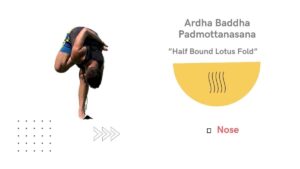
  • The Counts in Ardha Baddha Padmottanasana

    **Unlock the Rhythm of Your Practice: Understanding the Counts in Ardha Baddha Padmottanasana**

    Dive into the transformative world of Ardha Baddha Padmottanasana, or Half Bound Lotus Forward Bend, a foundational pose in the Ashtanga primary series. This blog unravels the intricate dance of the nine guiding counts that breathe life into this posture. From the gentle lift of your foot to the profound grounding in each exhale, mastering these counts enhances your connection to breath and movement, fostering clarity and confidence on your mat. Join us as we explore how every count not only shapes your practice but also mirrors the ebb and flow of life itself. Embrace the rhythm—your journey towards deeper understanding begins here!

Notes from the field

No notes yet · members & customers welcome

  1. No notes yet. Be the first to leave one.

Leave a note

Want more? (optional — commenting alone never subscribes you)
Comments are for members & customers. We’ll email a one-tap link to confirm it’s you.