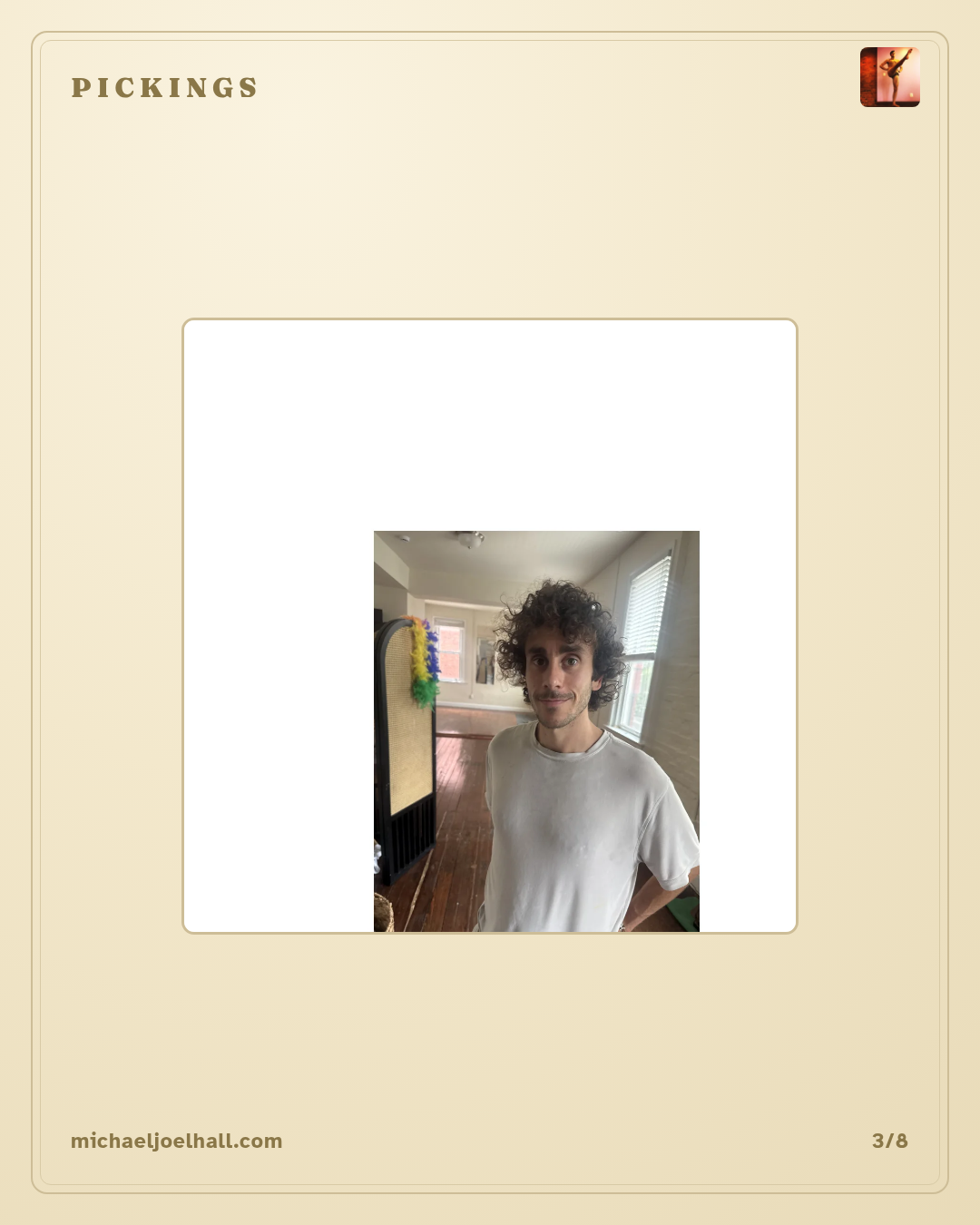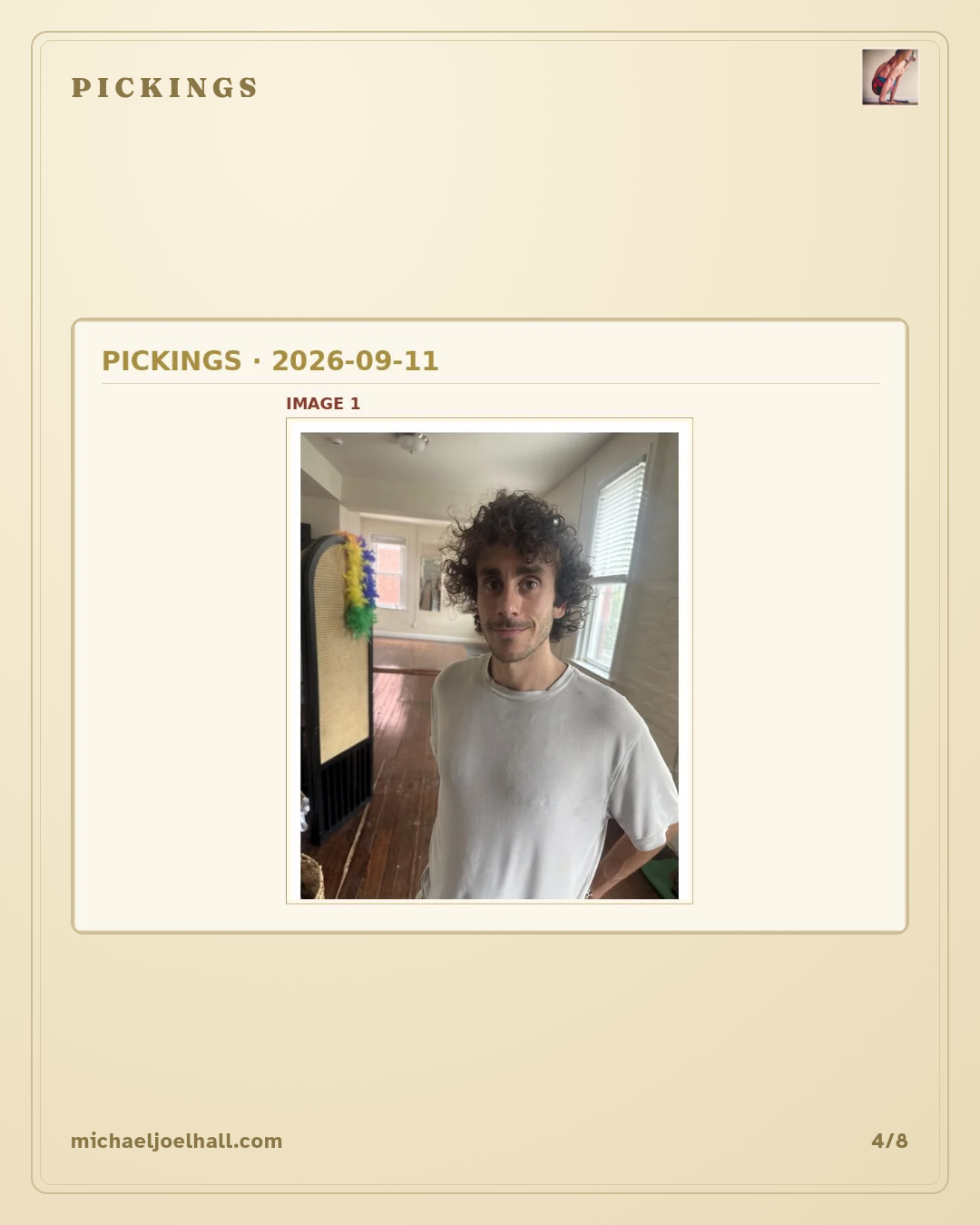

Hi, I’m Michael.
I teach insight practices — yoga, meditation, and a few less obvious ones — to people building things in leadership and technology.
Handpicked. Curated. No ads. No spam. Cozy and real, made daily by Michael.
Read MichaelFilter
Get the hand-curated daily edition and follow the Journals. No feed, no algorithm, no slop.
About
Twenty years teaching yoga, running a studio, and thinking about what insight practices actually do. They sharpen attention — and attention is the bottleneck on every hard problem, personal or professional. I write about that intersection, work one-on-one with leaders and builders, and run The Yoga Club in D.C.
Open the full Journal & Field Ledger →
Tuesday
October 27, 2026
 nautil.usJust Imagining a Workout Can Make You StrongerMotor imagery activates the same brain areas as actual movement, with inhibitory signals preventing muscle activation. Research shows mental practice enhances performance across activities, with optimal sessions around 20 minutes. Studies demonstrate measurable strength gains (22% in pinkie muscles)✦ Read ad free and get the full MichaelFilter · $5.50
Monday
October 26, 2026
 nautil.usWhy Your Boss Might Live Longer Than YouA Stevens Institute study of 27,000+ Americans found self-employed individuals had a 10% reduced mortality risk compared to wage workers, with longer self-employment correlating to greater benefits. The effect was strongest for opportunity-driven (not necessity-driven) entrepreneurs and partially me✦ Read ad free and get the full MichaelFilter · $5.50
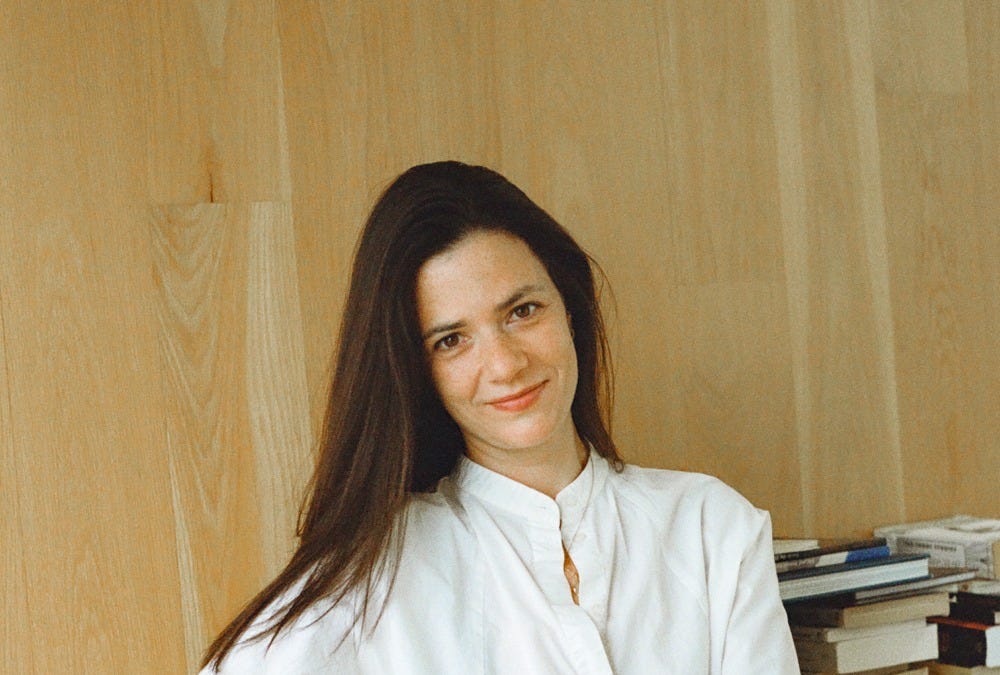 whyisthisinteresting.substack.comThe Monday Media Diet with Claire StapletonClaire Stapleton, former Google exec turned labor organizer and memoirist, describes a media diet shaped by feeds, group chats, and YouTube vlogs rather than traditional news. She reflects on how institutions capture our longing for purpose, drawing parallels between Graham Greene's The Quiet Americ✦ Read ad free and get the full MichaelFilter · $5.50
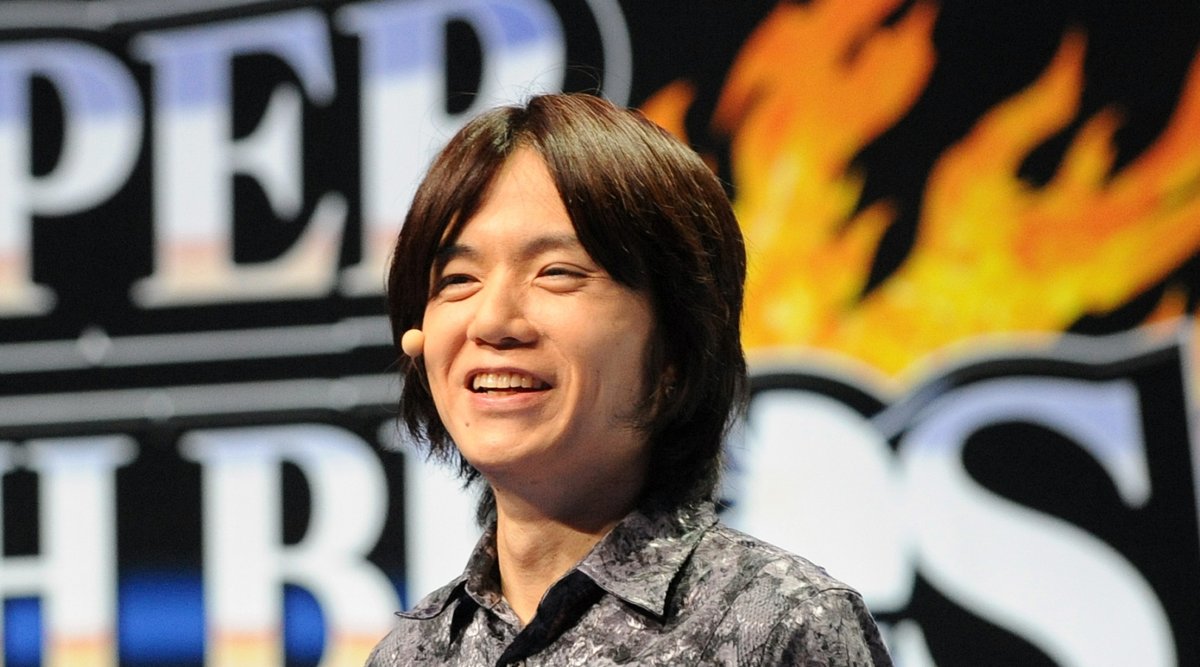 futurism.comCreator of Super Smash Brothers Offers Blistering Takedown of AI-Generated GamesMasahiro Sakurai, creator of Super Smash Bros and Kirby, criticized AI-generated video games as derivative and unprofitable, arguing that AI excels at copying existing systems but cannot produce genuine originality. He contrasted AI's imitative capacity with human creativity, using game designer Fum✦ Read ad free and get the full MichaelFilter · $5.50
 Sean Carroll's Mindscape: Science, Society, Philosophy, Culture, Arts, and Ideas372 | Erik Winfree on DNA Computers and RobotsWinfree reframes DNA not as biology but as a minimal programming substrate, then traces the full stack from theoretical computer science to test-tube chemistry — a rare conversation where philosophy of computation and wet-lab reality genuinely collide.✦ Read ad free and get the full MichaelFilter · $5.50
 The 404 Media PodcastIs the AI Boom a Bubble?Mike Isaac cuts through the AI hype cycle with hard-won skepticism from covering every previous tech bubble, while offering rare structural insight into why OpenAI's IPO timeline is messier than anyone admits. The Meta settlement framing — product changes over dollar amounts — is the sharpest take in the episode.✦ Read ad free and get the full MichaelFilter · $5.50
Practice with us this season
Two seasons a year in DC through 2029, and four Mysore weekends a year on the coast of Mexico. Pick a date, hold a seat.

Self Practice by the Sea
A Mysore retreat on the Riviera Maya.
Four mornings of practice, four nights on the coast, a private home with a rooftop pool. Four dates a year through 2029, four spots each.
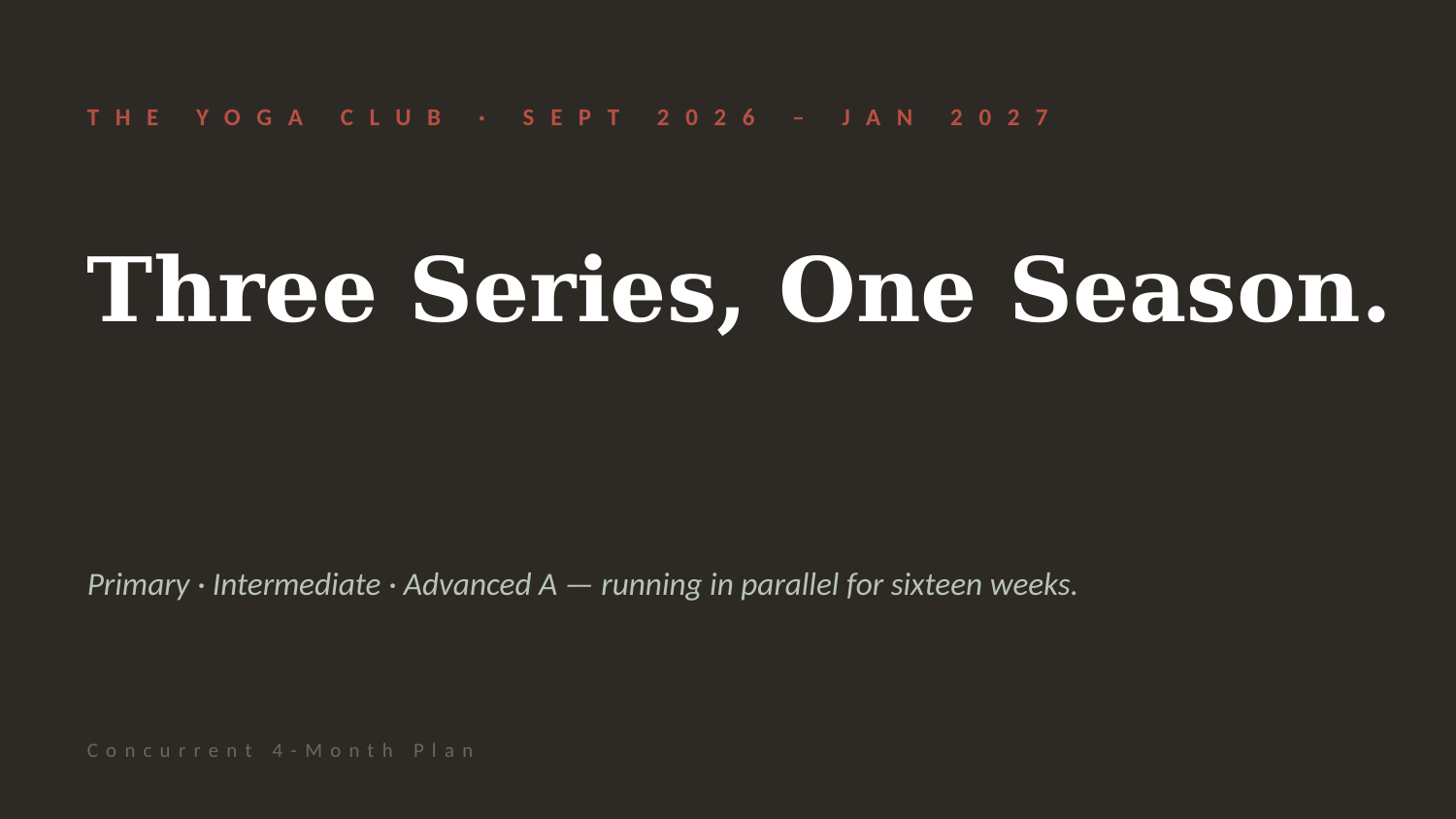
Semester Enrichment
Sixteen Sundays. Two cohorts. Four seats each.
Fall 2026 is sold out. Spring 2027 opens 7 February — Functional Primary or Functional Intermediate — and the fall format returns in September. Seasons run through 2029.
Books by Michael Joel Hall
Six books on Ashtanga, systems, and the craft of a practice. Functional Ashtanga is free; the rest are $10 each, or all six for $50. EPUB + PDF, instant download.
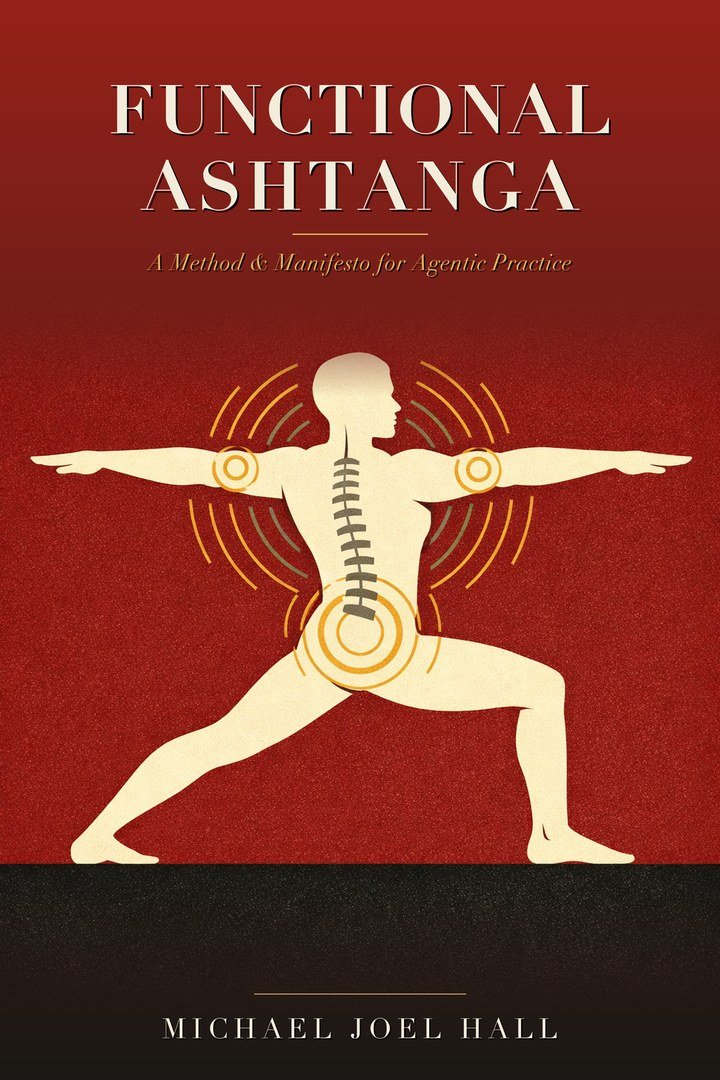
Functional Ashtanga
The manifesto and the method — the whole project’s front door, built on one principle: agency, not compliance.
Free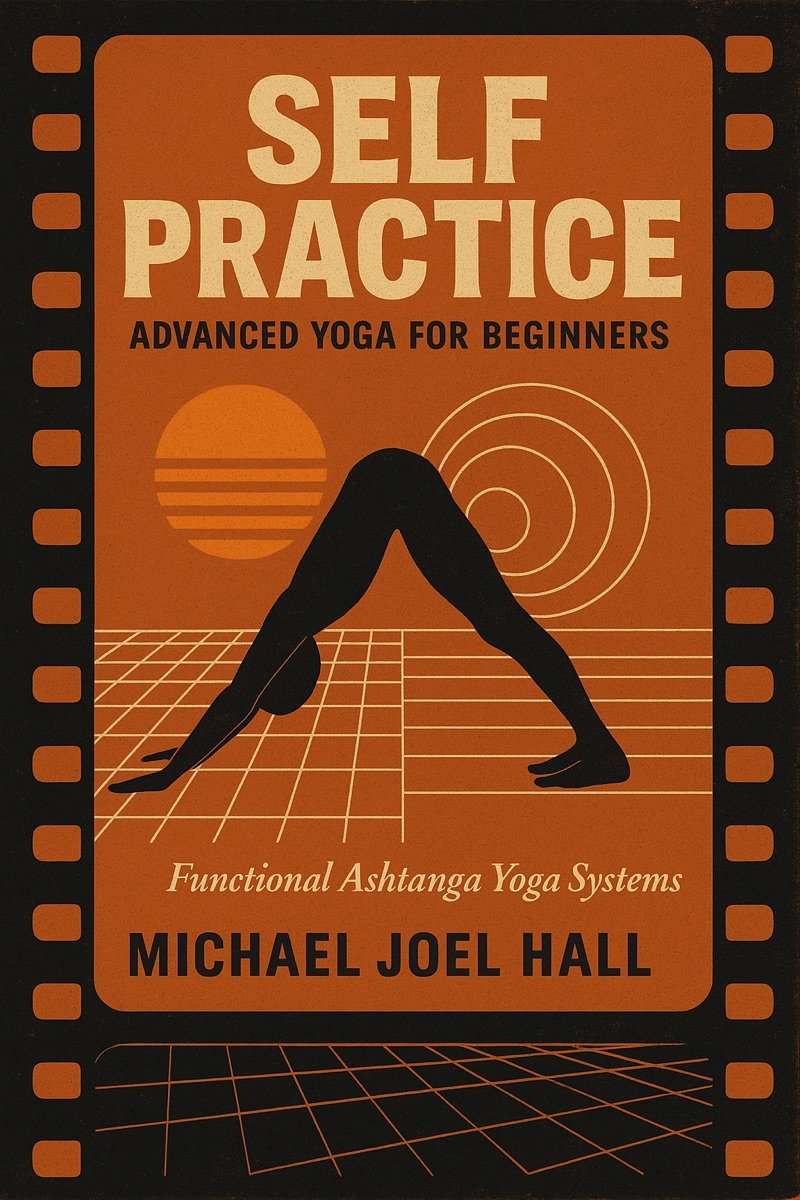
Self Practice
The method as a manual — how to build an intelligent, sustainable self-practice from the first breath.
$10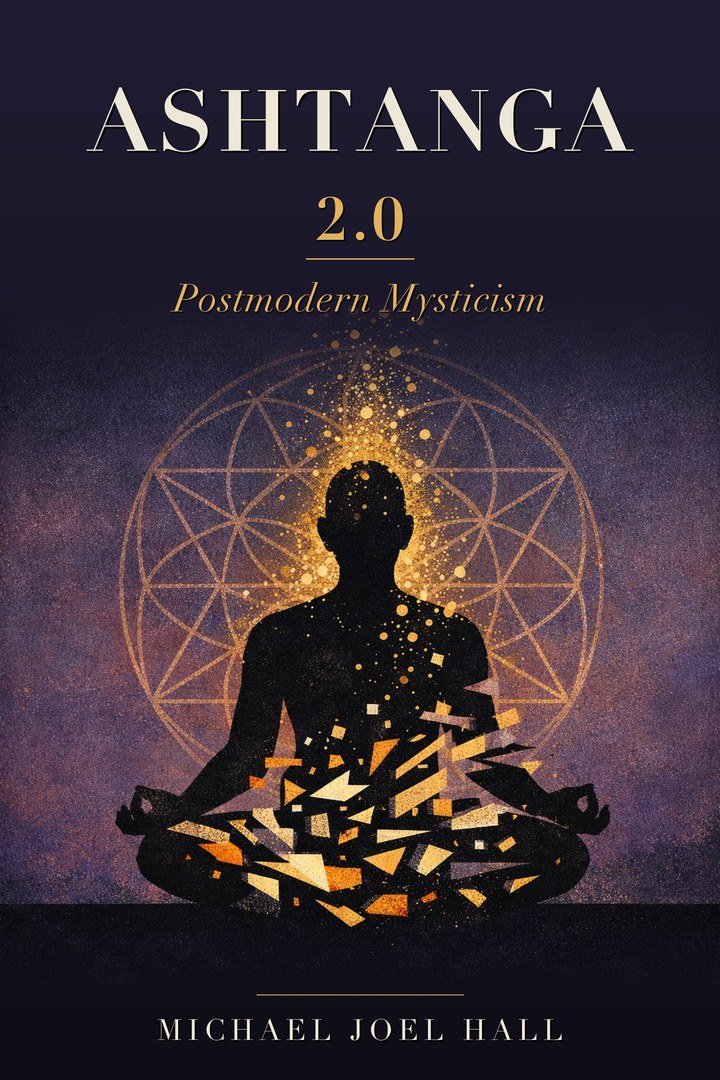
Ashtanga 2.0
The philosophy — a postmodern deconstruction of yoga’s authority, and the grounded mysticism that survives it.
$10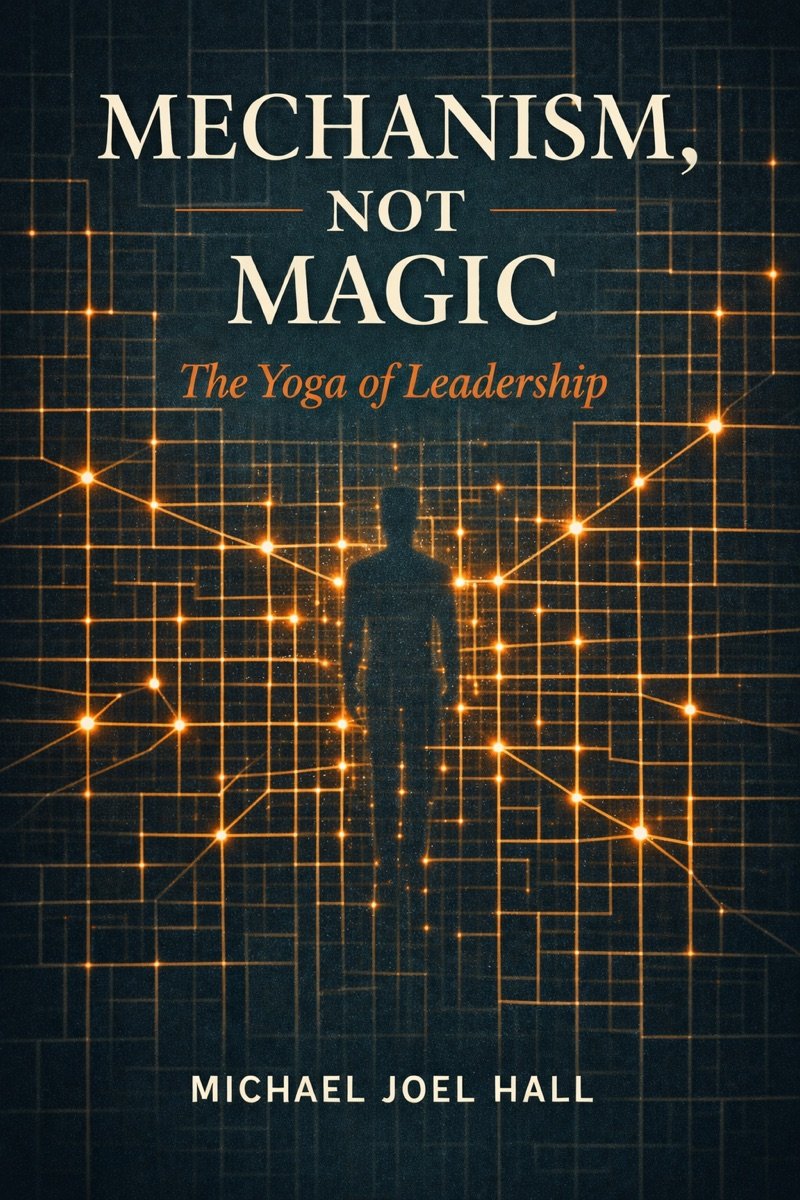
Mechanism, Not Magic
The thinking underneath the practice — yoga as a system for clear, honest leadership on and off the mat.
$10
How to Build a Yoga Club
The playbook for the room itself — how to build a practice space that lasts, without burning out or selling out.
$10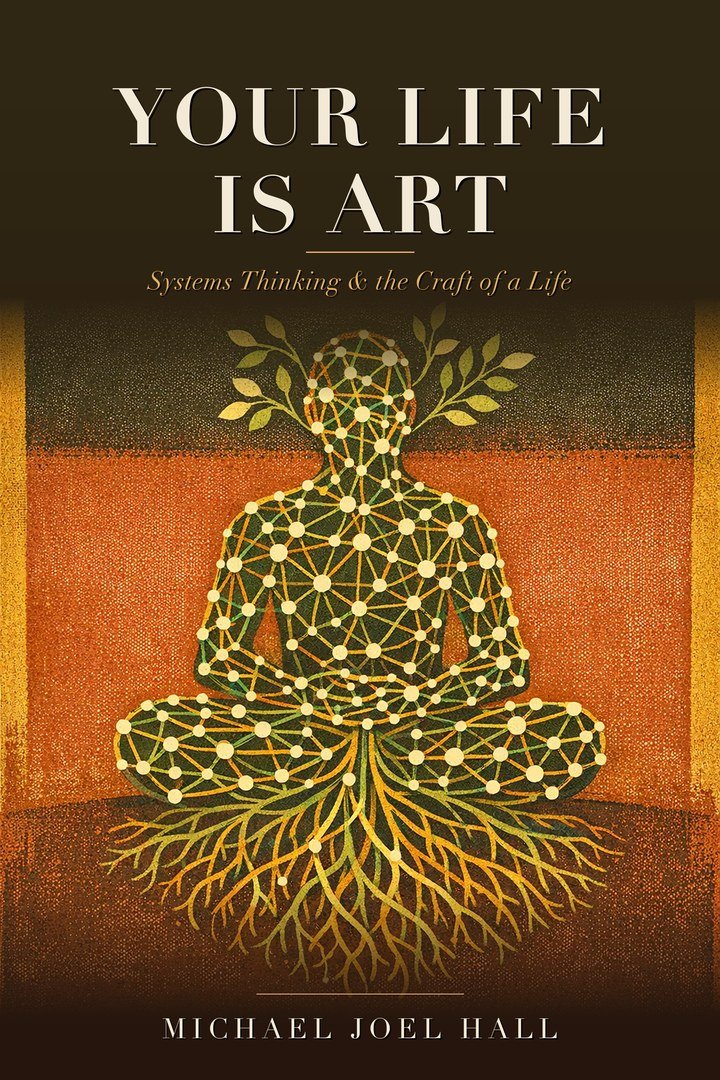
Your Life Is Art
The systems primer — stocks, flows, and feedback loops, and the craft of composing a life.
$10



Press
Interviews, bylines, and the occasional controversy.
What is Ashtanga Yoga? The Benefits of This Challenging Practice
“Ashtanga demands fitness, flexibility, and focus — a calming, yet sweaty form of moving meditation.”
Read →Yoga Teacher Recovers, But Attack Highlights a Job’s Health Care Issue
The catalyst for my ongoing advocacy around economic precarity in the yoga teaching profession.
Read →Building Resilience in This Political Climate
A practice sequence for finding strength and clarity when the news is loud.
Read →Responding to Rand Paul on Free Yoga for Government Employees
“They are in less pain, physically and mentally. They go on and do a better job.”
Read →Does Yoga Really Foster Transformation?
On why I practice — to cultivate the conditions required for transformation.
Read →Mysore, the Place and the Practice
A long conversation with Chris Parkinson about my journey, cross-training, and the trajectory of yoga in D.C.
Listen →The Newsletter
A daily email on consciousness, leadership, technology, and practice. No fluff. Unsubscribe anytime.
Get in Touch
Questions, collaborations, speaking, coaching inquiries — send a note.