The Best Dumb Phone Is Already Strapped to Your Wrist
The cellular Apple Watch gives you everything a phone is for and none of what makes it toxic.


The cellular Apple Watch gives you everything a phone is for and none of what makes it toxic.
In this video, Michael Joel Hall discusses the transformative power of consistent effort in yoga practice, particularly during the early…
For years I treated meditation as the part of the practice you get to eventually. Here is why I finally built it a real curriculum, on a platform I own — and who it is for.
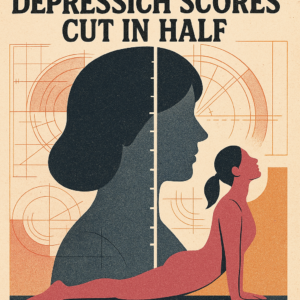
A German study found that two yoga classes per week for three months cut depression scores by 50% and improved overall well-being by 65% in emotionally distressed women.

How advanced Ashtanga turned into a status ladder—and why so many who climbed it forgot how to support anyone else.
“Yoga executive” sounds like a LinkedIn invention. It half is. The frame is useful as a side door — until people stop at the door and never get in.

A student stayed after class and asked me, a little apologetically, whether the practice actually regulates the nervous system or whether that’s just a thing teachers say. Fair question. The honest answer is that the people who built this had no idea what a nervous system was, and it worked anyway. That should bother you more than it does. We’re standing on two thousand years of instruction written by people who couldn’t have told you why a single piece of it helped. No mechanism. No study. No control group. And yet here we are, still doing it, because it kept producing something worth coming back for. I’ve stopped finding that embarrassing. I’ve started finding it clarifying. Here is what the ancients actually had: outcome data….

Savasana is where everything gets suspicious. Not suspicious in a bad way — suspicious in the way of something you can’t quite account for. You finish the last posture. You lie down. The sweat is still cooling. And then, for some practitioners, there’s a moment that doesn’t fit the usual frame: a sense of dissolution, of the boundary between where you end and where the room begins becoming briefly negotiable. Most people file it under “relaxation response” or “endorphins” and move on. A few don’t. Anirban Bandyopadhyay is a senior scientist at the National Institute for Materials Science in Japan, and he would tell you that the sensation is not mystical — it’s mechanical. The mechanism just happens to be the quantum structure of the…
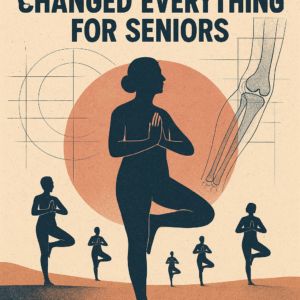
A 6-month randomized trial of 135 seniors found yoga improved balance, flexibility, well-being, and energy compared to both exercise and wait-list control groups.
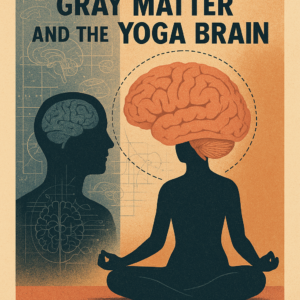
Yoga practitioners showed greater gray matter volume and prefrontal cortex activation compared to fitness-matched controls, suggesting yoga offers unique brain benefits beyond exercise.