
Science and Tech
38 entries · oldest first

Unlock Your Potential with Functional Range Conditioning!
Unleash Your Strength with Functional Range Conditioning!
Read the essay →Back to Basics: Understanding the Anatomy of Your Back Muscles for a Stronger Ashtanga Practice
Do you ever wonder why your back feels sore after a vigorous Ashtanga practice? Or maybe you're struggling to lift up into your Chaturanga without collapsing in the middle? It's time to get back to basics and understand the anatomy of your back muscles! In…
Read the essay →
Deconstructing Toxic Systems in Mysore Style Ashtanga Yoga Education
Discover the intricate relationship between multilevel marketing (MLM), charismatic leadership, and Ashtanga yoga communities in this exploration. Uncover the defining traits of MLMs and their impact on education and vocational systems, along with the potential toxicity within yoga communities. Explore the implications of these structures on individual growth, ethics, and society as a whole. #MLM #AshtangaYoga #CharismaticLeadership
Read the essay →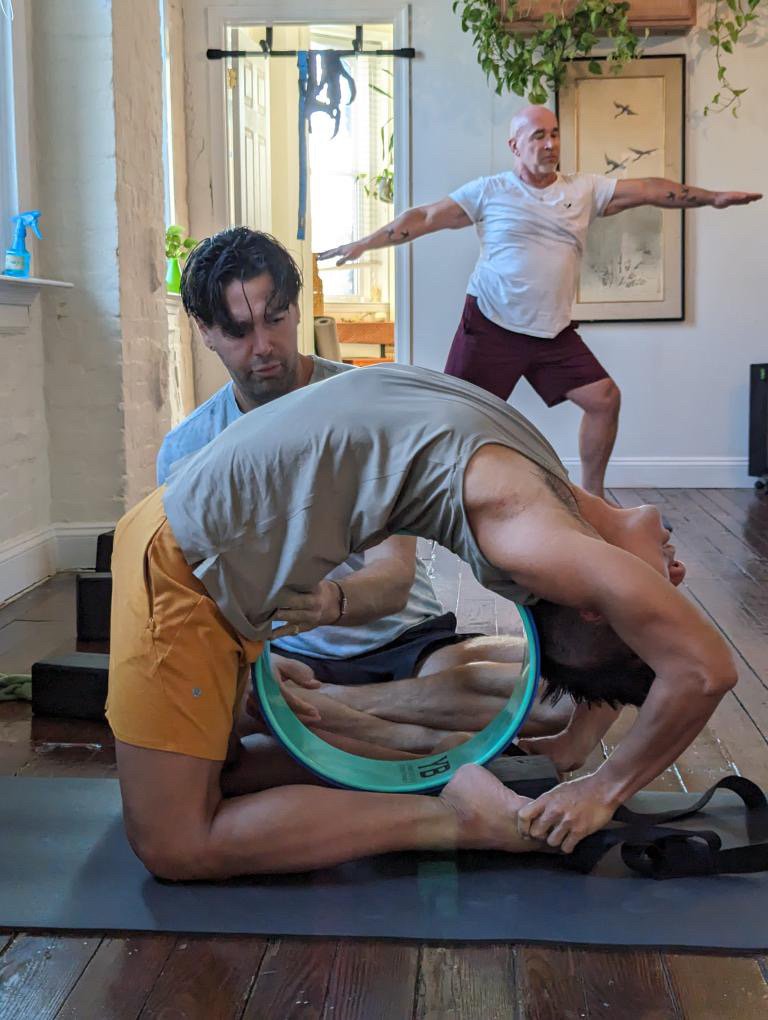
Understanding Time Delays in Ashtanga Yoga: A Systems Thinking Perspective
When faced with challenges in Ashtanga Yoga, the immediate solution may not yield instant results. Understanding the concept of time delays is crucial for a patient and persistent practice. Learn more about the gradual progress and challenges in the practitioner’s journey.
Read the essay →
Mastering Stretching: Understanding Spinal Reflexes for Ashtanga Yoga Practitioners
Wondering why you just can't seem to get longer and stronger? Understanding spinal reflexes related to stretching can be a game-changer in your Ashtanga yoga practice. Slow and steady wins the stretching race, stimulating your Golgi tendon organs can prevent injury, and utilizing Reciprocal Inhibition can deepen your stretches. And remember, your spinal reflexes are always looking out for you, even if your brain is the last to know. Happy stretching, yogis
Read the essay →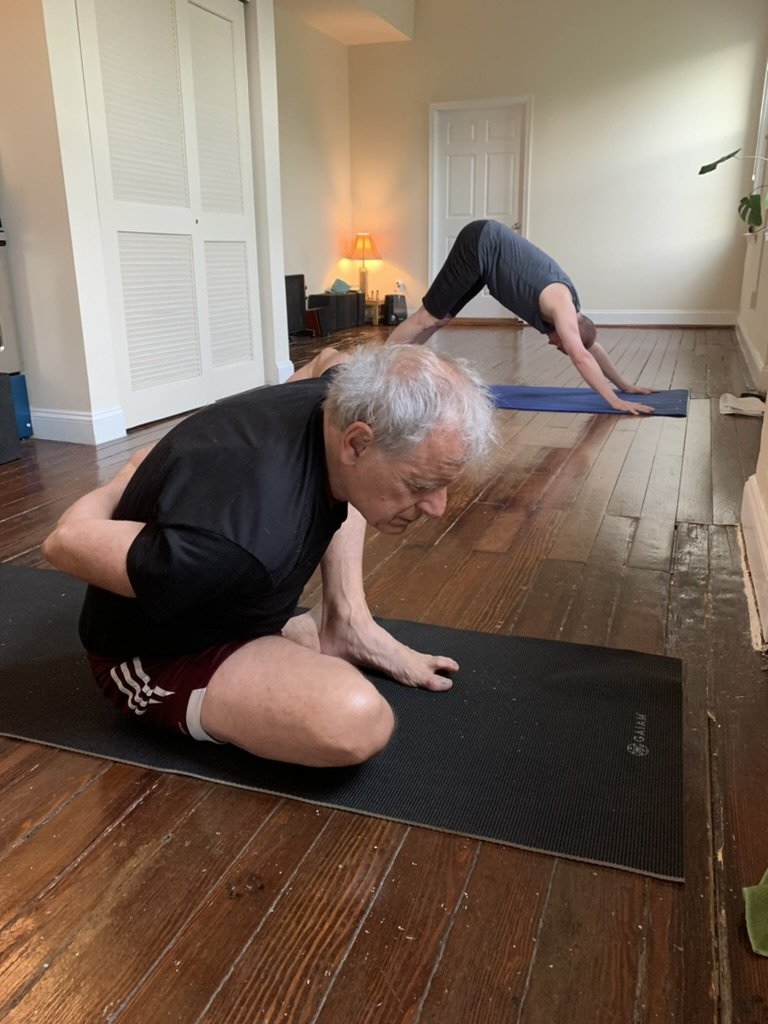
Ashtanga at Any Age: Inspiration from Alma Thomas and Cognitive Improvement Research
This week, my reflections are deeply anchored by my decade-long journey with a dedicated student, Ron. As our sessions evolved from power-packed vinyasa to the disciplined practice of Mysore, an intriguing question bubbled up: Why do older adults, like Ron, gravitate towards yoga? While the physical transformations are palpable, it's the cognitive rejuvenation that's turning heads. Delving into the tales of Alma Thomas, a late-blooming artist, and recent research from the University of Illinois, we uncover yoga's holistic gift — a dance of physical mastery and cognitive bloom. For every Ron seeking a deeper ‘why’ in their practice, this exploration promises insights into the boundless potential of age and the brain's synergy with yoga.
Read the essay →
The Case for Functional Range Conditioning and Ashtanga Yoga
Unlock the Full Potential of Your Yoga Practice: Discover the Synergy of Ashtanga and Functional Range Conditioning (FRC)! Dive into our enlightening article where Michael Joel Hall reveals how the fusion of traditional Ashtanga Yoga with the groundbreaking principles of FRC can transform your practice. Experience enhanced flexibility, strength, and joint health like never before. Get ready to challenge your perceptions and elevate your yoga routine to new heights. Click to explore how this innovative integration can revolutionize your approach to wellness and movement. 🧘♂️
Read the essay →
Enhancing Ashtanga Yoga Through Systems Thinking
Enhance your Ashtanga Yoga practice by applying systems thinking. Learn how a holistic approach can lead to informed and sustainable decisions in your practice.
Read the essay →
From Violence to Vision: The Radical Potential of Ashtanga Yoga to Combat Systemic Oppresion
Using Ashtanga Yoga to dismantle systemic oppression and promote healing. Reflections from my enriching experience in Birmingham, Alabama and Nashville, Tennessee, alongside friends like Heather Sullivan and Cory Bryant. Explains the appeal of systems thinking after a life-altering hate crime. Ashtanga Yoga can be a vehicle for inclusivity and empathy, challenging entrenched systems of oppression. Lets talk about it.
Read the essay →
Integrating Systems Thinking into Ashtanga Yoga Community Support
How tailored support networks and practical interventions can not only enhance individual practice but also strengthen our collective journey towards well-being. From fostering collaboration over competition to extending our reach beyond the studio, we explore innovative strategies that enrich our community interactions and extend the benefits of yoga to broader societal contexts.
Read the essay →
Scalability in Ashtanga Yoga Practice
Ashtanga Yoga, while rigorous, is designed to be a lifelong practice. Scalability in this context refers to the ability to adjust the practice to suit different stages of life, physical conditions, and personal commitments. This adaptability ensures that Ashtanga remains beneficial and sustainable for practitioners, regardless of changes in their circumstances.
Read the essay →
Illustrating the Principal of SAID in Ashtanga Yoga with Lat Pulldowns
Why do conversations about fitness get so weird when Ashtanga gets involved? Understanding how our bodies adapt to specific physical demands can significantly enhance our practice.
Read the essay →
How Breath Training Can Transform Your Sports Performance: Evidence and Techniques
Have you ever felt like your breath was holding you back on the field, court, or track? Just like a mischievous puppy chasing its tail, most athletes are blissfully unaware of how their breath can propel—or, heaven forbid, impede—their performance. Breath training, often overshadowed by the…
Read the essay →
Navigating Overtraining in Ashtanga Yoga: Signs, Solutions, and Self-Care
We’ve all been there, haven’t we? You dive headfirst into the wonderland of Ashtanga Yoga, blissfully aware of the transformative power of each pose—until one day, the thought of stepping onto your mat feels more like a chore than a joy. Overtraining can sneak up…
Read the essay →
Getting Great: Adaptive Resistance and Isokinetic Training: Optimizing Muscle Growth and Fat Loss
Ever wonder how that gym buddy of yours keeps sculpting their physique while juggling a dozen other life commitments? For this Ashtanga yoga practitioner, the secret sauce often lies in mixing the right ingredients of training modalities and intensities. I‘ve been particularly partial to adaptive…
Read the essay →
Prana and the Bathtub: Systems Thinking for the Ashtanga Practitioner
In our practice, we’re not just trying to keep the tub full. We’re learning to live in balance, where the ebb and flow of prana supports us as much as we support it. It’s not about avoiding leaks but recognizing that the small, subtle drains often compound our stress more than a single big crisis. The practice guides us in patching those leaks with awareness, restoring a harmonious flow where life feels less like a constant emergency and more like a nurturing partnership In our practice, we’re not just trying to keep the tub full. We’re learning to live in balance, where the ebb and flow of prana supports us as much as we support it. It’s not about avoiding leaks but recognizing that the small, subtle drains often compound our stress more than a single big crisis. The practice guides us in patching those leaks with awareness, restoring a harmonious flow where life feels less like a constant emergency and more like a nurturing partnership. The goal isn’t to always be on alert, like the little Dutch boy at the dam. Instead, we want to be more like the Indigenous stewards of land and water—understanding that the flow is only a problem when it’s out of balance. Otherwise, it’s a beautiful exchange, where prana nourishes us as much as we nourish it. This isn’t crisis management; it’s living in relationship.
Read the essay →The Role of Learning in Yoga: Education vs. Exploitation and the Broken Teacher Training System
The modern yoga industry has shifted away from teaching a practice that once ecnouraged and even required ongoing learning, self-reflection, and personal growth. Instead, the commercial interests have been prioritized over genuine education. This shift has left both students and teachers navigating a system that…
Read the essay →
The Importance of Systems Thinking in Yoga: Seeing the Bigger Picture
Yoga, at its essence, is about the union of mind, body, and spirit—a holistic practice that reminds us that everything is interconnected. This principle of interconnectedness extends beyond the practice itself, applying equally to the broader yoga industry. By adopting a systems thinking approach, we…
Read the essay →
Systems Thinking and Spiritual Practice
In both teaching and personal growth, one of the most powerful tools I have come to rely on is systems thinking. At its core, systems thinking is about seeing the interconnectedness of everything. It is a way of viewing the world, not as a collection…
Read the essay →
Counted Method: A Beginner’s Guide to Ashtanga Yoga’s Vinyasa System
The art of Vinyasa—the beautiful dance of breath and movement—can elevate your practice from mere physicality to a profound meditation in motion. Uncover the essence of the Counted Method, where each inhale and exhale is harmoniously synchronized with every pose, guiding you toward mindfulness and self-awareness. Whether you're a curious newcomer or seeking to deepen your understanding, this guide offers insights and practical tips to help you connect with the rhythm of your practice and embrace the soul of Ashtanga yoga.
Read the essay →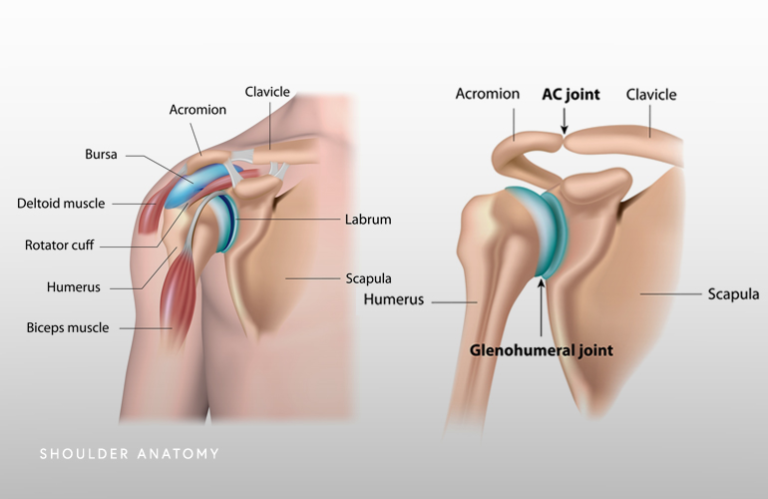
The Shoulder Girdle: Function & Issues
The shoulder girdle is a marvel of engineering, allowing us to reach for the sky and embrace our loved ones. But sometimes, issues can arise that can put a damper on our daily activities. Let's explore the function and common issues of this amazing structure!
Read the essay →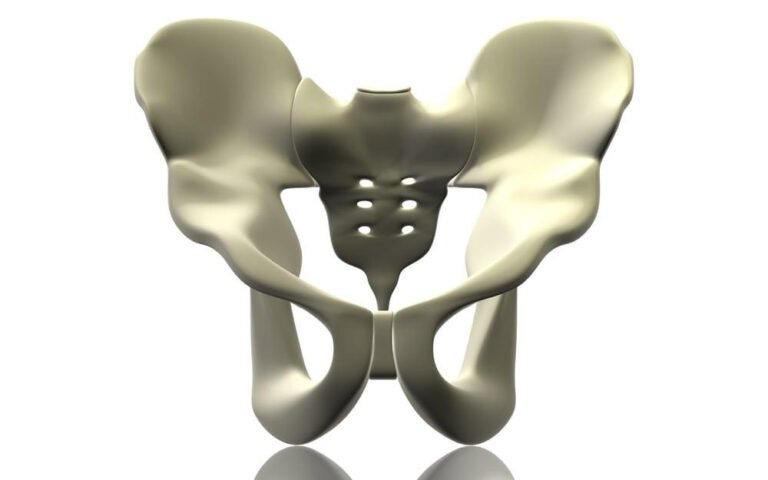
Unlocking Mobility: Mastering Hip Joint Internal Rotation for Enhanced Ashtanga Practice
Discover the transformative power of hip joint internal rotation in your Ashtanga yoga practice! Often overlooked, this vital movement can significantly enhance your strength, flexibility, and alignment across various postures—from deep squats to seated poses like Padmasana. In this insightful blog post, we explore the importance of mastering hip joint internal rotation, how to assess your current mobility, and targeted practices that will unlock new levels of openness in your body. Join me on a journey to elevate your yoga practice by embracing this fundamental aspect of mobility!
Read the essay →
Yoga Enhances Health and Physiological Well-Being
Ashtanga yoga serves as a powerful ally in enhancing health and fostering physiological well-being. From preventative care to symptomatic relief, discover the multifaceted ways in which yoga strengthens our bodily systems and promotes emotional balance. This insightful journey reveals how each practice not only revitalizes physical strength and flexibility but also nurtures mental clarity and emotional resilience. Join us in understanding how this ancient practice can harmonize your life, one breath at a time.
Read the essay →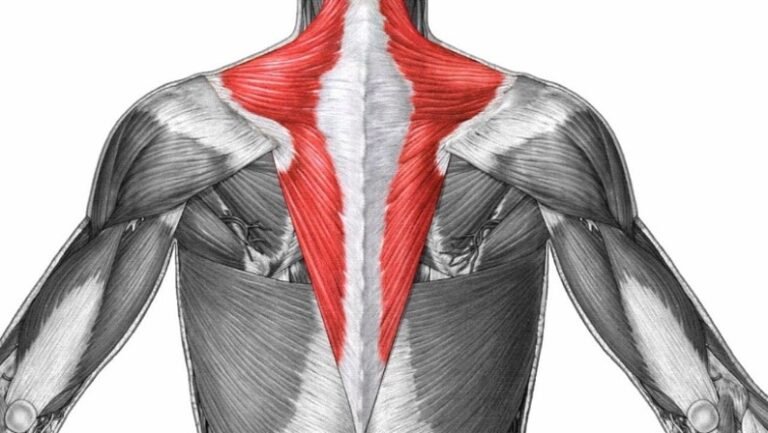
Practical Approaches to Shoulder Range Conditioning
**Unlocking the Power of Your Shoulders: Practical Approaches to Shoulder Range Conditioning** Are your shoulders ready to elevate your ashtanga practice? Often overlooked, shoulder mobility is a cornerstone of injury prevention and overall performance in yoga. In our latest blog post, we explore practical approaches to enhance your shoulder range conditioning—essential for smooth transitions and deeper poses. From Controlled Articular Rotations (CARS) that promote joint health to dynamic stretches and targeted strength training, discover techniques that seamlessly integrate into your routine. Embrace the strength and flexibility of your shoulders, and watch your practice transform. Dive in and learn how to foster mobility that not only supports your physical journey but enriches your mindfulness on the mat.
Read the essay →
Understanding Hip Joint Adduction: An Approach to PAILS & RAILS
**Unlocking Your Hip Mobility: The Power of PAILS & RAILS** Dive deep into the transformative world of hip joint adduction and discover how this often-overlooked movement can elevate your ashtanga yoga practice. By mastering the techniques of Progressive Angular Isometric Loading (PAILS) and Regressive Angular Isometric Loading (RAILS), you’ll not only enhance your strength and flexibility but also cultivate a profound connection to your body’s mechanics. Imagine flowing effortlessly through complex postures like *Utthita Trikonasana* or *Padmasana*, all while reducing your risk of injury. This blog will guide you through practical steps to integrate PAILS and RAILS into your routine, shedding light on how to harness the full potential of your hips. Embrace the journey toward greater stability and mobility—your mat awaits!
Read the essay →
Understanding Shoulder Abduction Axials: A Practical Guide
**Unlocking the Power of Your Shoulders: A Guide to Shoulder Abduction Axials** Dive into the heart of ashtanga yoga with our practical guide on understanding shoulder abduction axials. This essential movement—lifting the arms away from the body—plays a pivotal role in your practice, enhancing alignment and preventing injuries. Explore the intricacies of shoulder joint rotations, from internal and external rotations to elevation and depression. Discover transformative exercises like Wall Angels and Resistance Bands that can elevate your technique and deepen your connection to the poses. Join us as we unravel the nuances of shoulder movement, aligning your practice with the anatomy of your body for a more mindful and effective yoga journey. Embrace the art of safe and powerful practice—your shoulders will thank you!
Read the essay →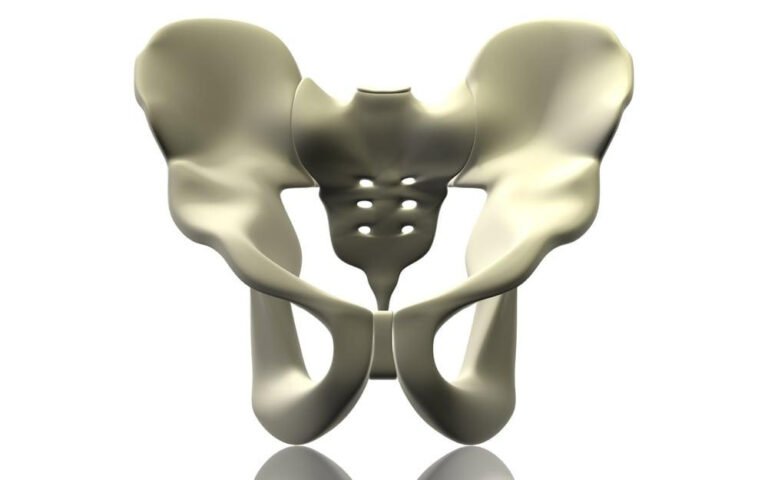
Understanding Hip Joint Flexion: PAILS & RAILS Techniques Explained
**Unlocking Deeper Movement: Mastering Hip Joint Flexion with PAILS & RAILS** Are you ready to elevate your yoga practice? Understanding hip joint flexion is essential for achieving greater mobility and stability on the mat, especially in Ashtanga. In our latest blog post, we delve into the transformative power of PAILS (Progressive Angular Isometric Loading) and RAILS (Regressive Angular Isometric Loading)—two groundbreaking techniques designed to enhance your flexibility and control. Discover how to effectively integrate these methods into your practice, enabling you to push boundaries and explore deeper ranges of motion. Learn the step-by-step approach to strengthen your hip flexors, improve your transitions between poses, and ultimately enhance your overall performance. Join us as we explore not just the mechanics but the profound impact that better hip flexion can have on your daily life. Get ready to move with newfound freedom and confidence! Check out the full article [here](#).
Read the essay →
Understanding the Fundamentals of Breath Training
**Unlocking the Power of Your Breath: A Journey into Breath Training Fundamentals** Dive into a transformative exploration of breath training, where the simple act of inhaling and exhaling becomes a gateway to heightened awareness and profound relaxation. In our fast-paced world, most of us unconsciously breathe shallowly, which can leave us feeling anxious and fatigued. However, by shifting our focus to conscious breathing, we can significantly reduce our breath rate and expand our respiratory capacity. This blog post will guide you through the basics of breath awareness, offering insights into techniques that nurture both body and mind. You’ll learn how deeper, fuller breaths can invigorate your practice and enhance your overall well-being. Whether you're a seasoned yogi or just beginning your journey, understanding these fundamentals will empower you to harness the full potential of your breath and enrich your yoga experience. Join us as we uncover the art of conscious breathing—your path to a calmer, more centered self.
Read the essay →Peer Support as a Living System: Tending the Roots of Practice
In the ecosystem of Ashtanga Yoga, peer support isn’t a side dish. It’s the mycelium under the forest floor — the network of connection, communication, and shared resilience that keeps the whole thing alive. When done with intention, peer support can shift the dynamics of…
Read the essay →Collider: Why Ability Privilege Perpetuates Itself
In systems thinking, a collider is a variable influenced by two or more independent factors—and Ashtanga’s authorization system contains a perfect example that explains why the current model is so resistant to change. Consider the collider: “Becoming an Authorized Teacher” This outcome is influenced by…
Read the essay →What Is a Collider? How Ashtanga Practice Teaches Systems Thinking Through the Body
What Is a Collider? In systems thinking, a collider is a variable that sits at the convergence point of two or more independent causal pathways. Unlike a mediator (which transmits influence from one variable to another) or a confounder (which influences multiple variables), a collider…
Read the essay →Introduction to Causal Inference
The eight basic rules for causal inference from Peder M. Isager’s blog provide an excellent framework for understanding how causal relationships emerge and interact with observable data. These rules resonate with core principles in both systems thinking and Ashtanga Yoga. Let’s explore this connection. 1.…
Read the essay →Causal Inference Rules and How to Use Them
In systems thinking and yoga alike, progress requires recognizing hidden confounders and addressing them directly rather than being misled by surface-level correlations. When practitioners address the root cause, both seemingly related symptoms often resolve harmoniously. Rule 1: Independent Variables Are Not Correlated This rule states that…
Read the essay →Getting Better at Causal Loops and Drawing Inferences
Revisiting Rule 1: Independent Variables Are Not Correlated Restating the Argument In Ashtanga Yoga, not all elements of practice are causally connected. For example, focusing solely on aesthetic performance (e.g., how a posture looks) often leads to false assumptions about progress. Understanding this independence helps practitioners…
Read the essay →Introduction to Ashtanga Collider Theory
Introduction: When Effects Distort Our Understanding of Causes In 1946, statistician Joseph Berkson noticed something peculiar in hospital patient data: diseases that should have been independent appeared to be negatively correlated. Cancer patients seemed less likely to have diabetes, and vice versa. This observation seemed…
Read the essay →
The 40Hz Protocol: Ashtanga Yoga as a Multimodal Gamma Entrainment System
Neuroscientists are designing elaborate protocols to induce gamma oscillations in the human brain — flickering lights, transcranial currents, near-infrared light helmets. A 2024 review in Frontiers in Neuroscience catalogues four distinct stimulation methods to achieve what the brain needs to perceive clearly, move well, and regulate emotion. Reading it, I kept having the same thought: Ashtanga yoga already does all of this. Not metaphorically. Simultaneously, and without a single device
Read the essay →
Equity, Not Extraction
AI isn’t the threat — extraction is, and we’ve already run this playbook before.
Read the essay →
MJH INC: Building a Personal Sovereign Internet
From chatrooms at thirteen to running a world in Ultima Online to building communities for companies — a life spent tending rooms online. Now I'm turning that instinct on my own data: pulling twenty years of my life off the platforms and onto ground I own, and building the habit of micro-journaling in my own garden instead of Meta's.
Read the essay →Get MichaelFilter
Enter your email. We'll send a one-tap link to read today's edition free, in your browser — the link works for 24 hours. Membership unlocks every issue, PDFs, and transcripts.
Already a member of theyoga.club or ashtanga.tech? You're already on file — no re-registration. We won't add you to any list.