Field Ledger Archive
13,278 entries across the years, 2003–2026.
 newyorker.comThe Long Doomsday of A.I.Joshua Rothman examines the widening gap between maximalist proposals to regulate AI (including criminal penalties and kill switches) and modest 'pacing' strategies proposed by industry leaders like Anthropic's Dario Amodei. He questions why, if AI poses existential risk, we would accept gentle slow✦ Read ad free and get the full MichaelFilter · $5.50
 npr.orgSenators question Trump's picks for top health positions, including surgeon generalThe Senate health committee is considering three Trump administration nominees for top HHS positions: Dr. Nicole Saphier (radiologist and former Fox News contributor) for surgeon general, Chris Klomp (health tech executive) for deputy secretary, and Dr. Timothy Westlake for assistant secretary for M✦ Read ad free and get the full MichaelFilter · $5.50
 Hidden BrainWhy Conversations Go WrongDeborah Tannen reveals that most relationship damage isn't caused by bad intentions but by invisible conversational style mismatches — and names the hidden mechanics precisely enough to actually change how you listen.✦ Read ad free and get the full MichaelFilter · $5.50
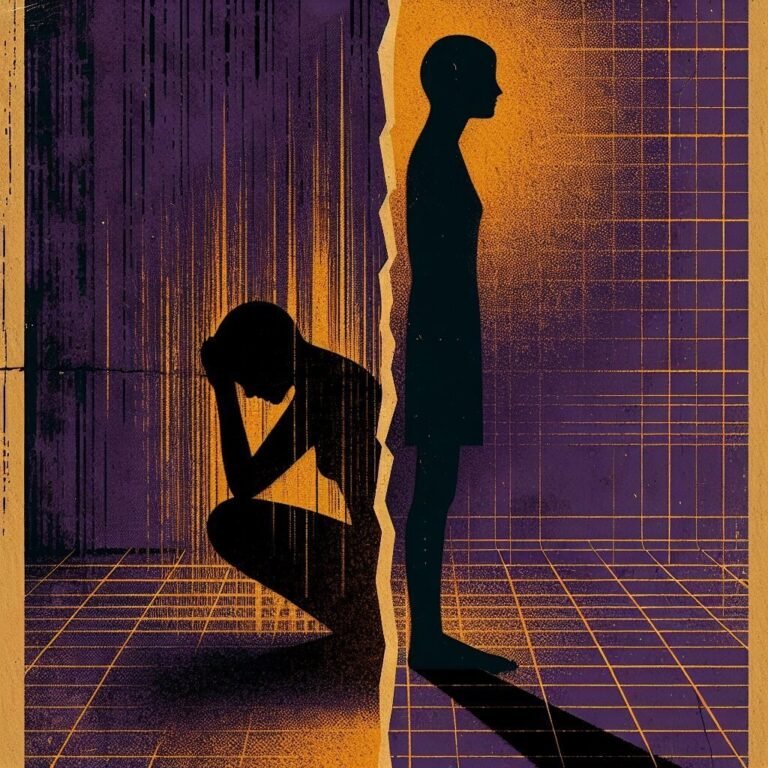
Ancient Wisdom Didn’t Know Why It Worked — And That’s the Point
A student stayed after class and asked me, a little apologetically, whether the practice actually regulates the nervous system or whether that's just a thing teachers say. Fair question. The honest answer is that the people who built this had no idea what a nervous…
Read the essay → J. Brown Yoga TalksDaniel Simpson – “Is Modern Yoga Fake?”Simpson dismantles the mythology of yoga's ancient origins with journalistic precision while refusing to throw out the practice itself — a rare combination of scholarly honesty and genuine appreciation. Essential for any teacher tired of repeating things they can't verify.✦ Read ad free and get the full MichaelFilter · $5.50
 ADHD Big Brother - ADHD and Depression Solutions, Laughter, and Thoughts261 – The Simplest Way To Be Productive With ADHDA raw, funny, and genuinely useful reframe: stop hunting the perfect ADHD solution and accept that proximity to support is the simplest productivity lever you actually have. The honesty about imposter syndrome and spam complaints makes it land.✦ Read ad free and get the full MichaelFilter · $5.50
 Conan O’Brien Needs A FriendMatt GroeningMatt Groening in full reminiscing mode with Conan — a rare insider account of the Simpsons writers' room at its peak, rich with specific anecdotes, absurdist logic, and genuine creative philosophy.✦ Read ad free and get the full MichaelFilter · $5.50

Quantum Consciousness and the Yoga of Savasana
Savasana is where everything gets suspicious. Not suspicious in a bad way — suspicious in the way of something you can't quite account for. You finish the last posture. You lie down. The sweat is still cooling. And then, for some practitioners, there's a moment…
Read the essay →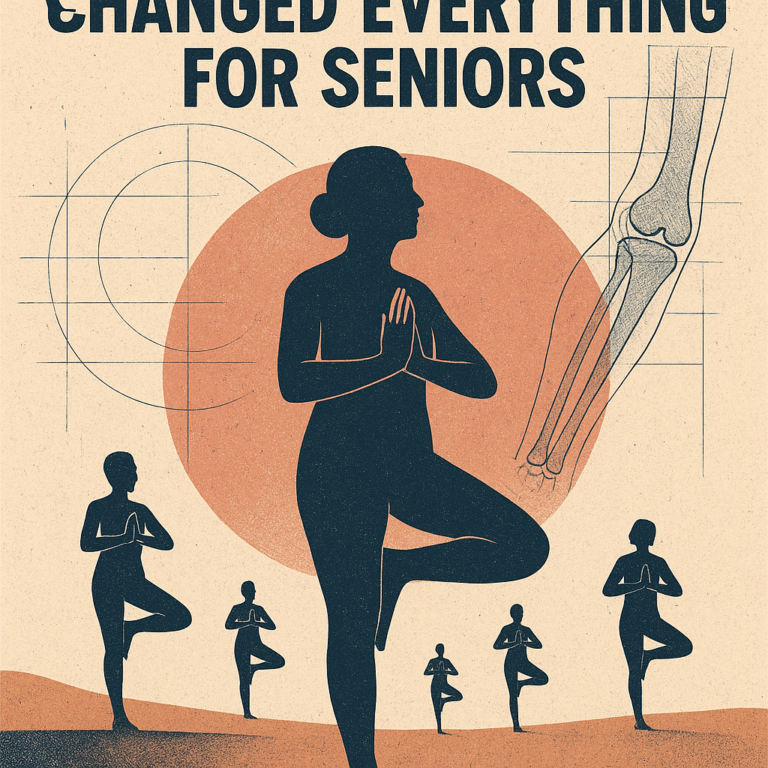
Six Months Changed Everything for Seniors
A 6-month randomized trial of 135 seniors found yoga improved balance, flexibility, well-being, and energy compared to both exercise and wait-list control groups.
Read the essay →**1. Extraction vs. transmission**
AI bulk-buying books for training data without consent parallels "the parasocial author-reader dynamic mirrors guru-student relationships" — both mistake consuming content for receiving method. The AI-quality-decline note (Opus 5 "feels worse") extends this: extraction without understanding degrades output over time.
**2. Difficulty as the actual mechanism of capacity**
"Literary friction" resisting AI summaries maps directly onto "asana resistance" — both frameworks argue that struggle itself, not smoothing it away, builds sustained attention. The middle-grade shortening trend is read as the same erosion this friction is meant to counter.
**3. Long systems beat visible heroics**
Dolly Parton's 30-year Imagination Library keeps reappearing as the model for practice — "systems over heroics, daily deposits" — explicitly echoed in the planner note that inspiration is "the visible tip of long, invisible preparation," not a lightning bolt.
**4. Attention as the contested resource**
Shortened books, AI summarization, and Instagram-ified yoga are all named as symptoms of "diminished attention spans," tying back to the Shala Daily post title itself — "What Your Attention Does All Day" — making attention-preservation the throughline connecting reading, practice, and teaching.
§ Warm-ups & Namaskars
§ Grounding Basics
§ Seated Forward Bends
§ Standing Balance
§ Side Plank
AI Updates, Remembering Dolly Parton, and More News for Library Workers
There's a mechanical monk in the Smithsonian, made of wood and iron, wound by a key. He walks in a square, over and over, the same steps, four centuries later still able to move because someone built him to repeat rather than to dazzle. Nobody remembers who wound him first. That's not a flaw in the story — that's the whole story.
Here's the teaching: capacity doesn't arrive, it accumulates. What you can do on the mat, what you can hold in a book without asking someone to summarize it for you, what a small mountain library can offer a child for thirty straight years — none of it is a lightning strike. It's the square, walked again and again.
But friction is not the same as suffering, and here's where it gets slippery. We can tell ourselves we're "building capacity" while just grinding against difficulty for its own sake, mistaking stubbornness for practice — the AI-summary-skipper who still can't sit with a hard book, the yogi who muscles into a pose with no more understanding of it than before. The monk's value isn't that his walk is difficult. It's that it's the same walk, chosen again, long after the choosing stopped feeling like a choice.
So the question isn't whether you can do the hard thing today. It's whether you're still willing to wind the key tomorrow, when no one's watching and nothing new happens at all.

Gray Matter and the Yoga Brain
Yoga practitioners showed greater gray matter volume and prefrontal cortex activation compared to fitness-matched controls, suggesting yoga offers unique brain benefits beyond exercise.
Read the essay →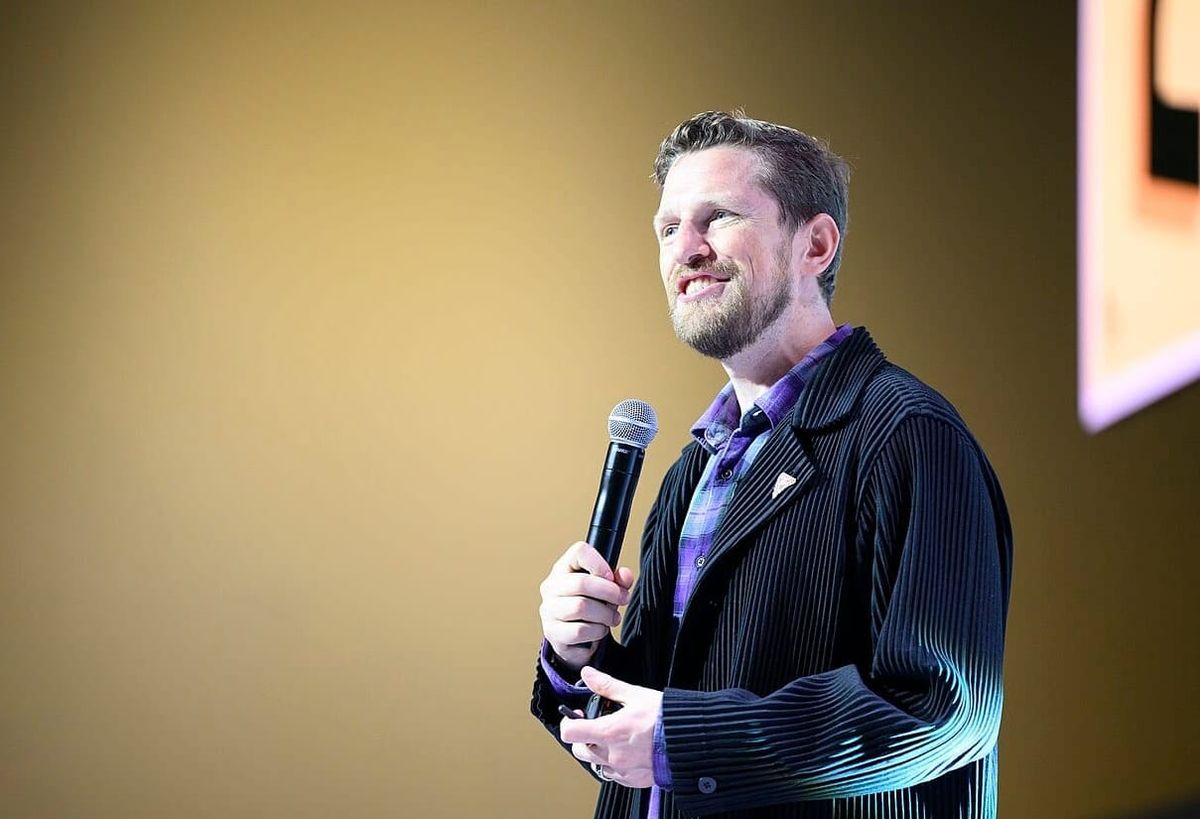 404media.coAutomattic CEO Matt Mullenweg Put on 'Leave of Absence'Automattic CEO and founder Matt Mullenweg was placed on paid leave by the board, with CFO Mark Davies named interim CEO. Mullenweg, who founded WordPress.com's parent company, has faced recent controversies including a legal battle with WP Engine, mass employee buyouts after an 'Alignment Offer,' an✦ Read ad free and get the full MichaelFilter · $5.50
 bookriot.comAI Updates, Remembering Dolly Parton, and More News for Library WorkersA weekly roundup for library workers covering AI firms bulk-ordering books for training data, publishing industry shifts toward shorter middle-grade books with more visuals, and the death of literacy advocate Dolly Parton. Also includes news on manga imprints, book adaptations, and a $300,000 donati✦ Read ad free and get the full MichaelFilter · $5.50
 highsnobiety.comWhy Nike Paid This Artist to Build a Bootleg Chanel StoreTom Sachs created an unauthorized replica of Chanel's Paris flagship inside his studio, filled with handmade sculptures of luxury goods crafted from plywood, cardboard, and LEGO. Commissioned by Nike's NikeCraft imprint, the installation deliberately exposes construction marks and imperfections to f✦ Read ad free and get the full MichaelFilter · $5.50
 thecancunsun.comCancun Airport Unveils Massive $400 Million Upgrade Across All 4 TerminalsCancun International Airport is undergoing a five-year, $400 million overhaul of all four terminals, runways, and vehicle roadways to address overcrowding and infrastructure strain from record tourism. Construction is timed during a temporary lull in traffic, with completion targeted before peak win✦ Read ad free and get the full MichaelFilter · $5.50


The Laboratory: What I’m Actually Building
Four websites, a book, and a teaching studio that all do one thing — and what that thing is.
Read the essay →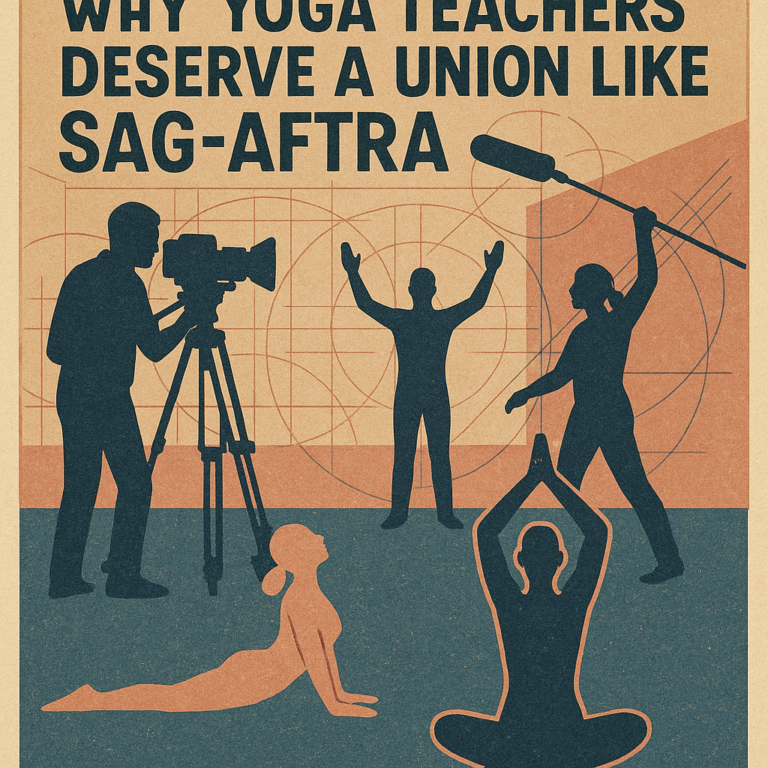
Why Yoga Teachers Deserve a Union Like SAG AFTRA
Why should yoga teachers have the same protections as movie extras?
Read the essay → theguardian.comSmithsonian Institution secretary to retire amid Trump attacks on museum independenceLonnie Bunch III, the first Black secretary of the Smithsonian Institution, is retiring at the end of 2025 after sustained political pressure from the Trump administration. Trump issued executive orders accusing the museum of divisive ideology, attempted to fire staff, and demanded content changes,✦ Read ad free and get the full MichaelFilter · $5.50
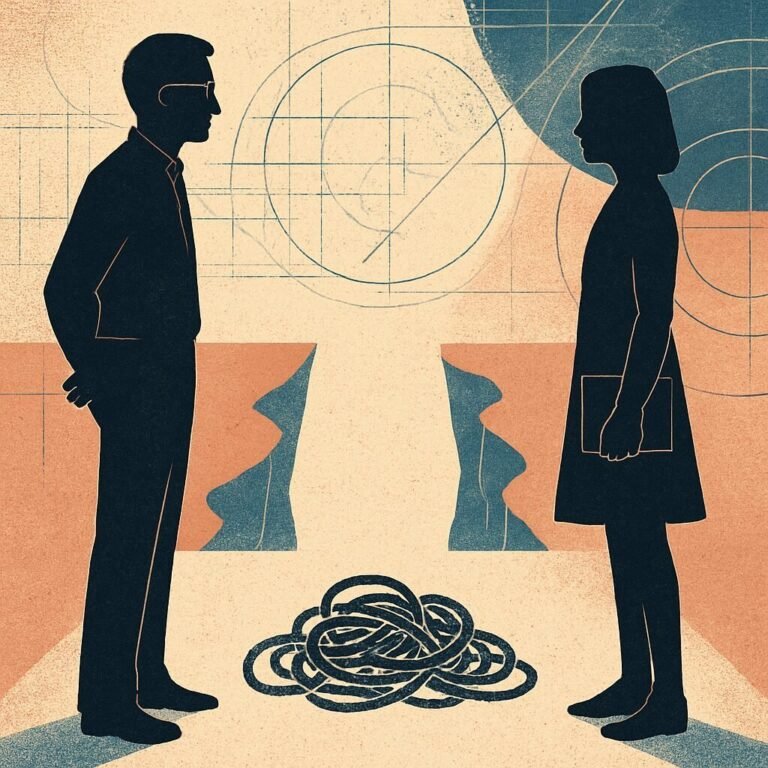
The Theft Nobody Calls Theft
There’s a student I’m thinking of. Not one student — a type. She’s been practicing for six years. She can do things most people can’t. But she cannot make a single decision about her practice without first asking her teacher. Not because the questions are…
Read the essay →Maintenance. Your standard version — the one available on an ordinary day without negotiation. Squat with a twist, forearm or elbow hooking the outer knee instead of binding, heels raised on a wedge if they lift. Preserves: squat plus thoracic rotation — the wring — without demanding the bind or flat heels
Challenge
Challenge. Past your own standard, not past the book. Full Pasasana, heels grounded, chest rotated across the thighs, arms wrapped and hands clasped Preserves: all three essential actions
What it asks of you
Deep hip flexion with the spine rotating — a squat that wrings, not just a squat
Heels grounding through full ankle dorsiflexion so the squat is stable, not balanced on the toes
Thoracic rotation that turns the chest across the thighs toward the bind
.
Where it usually stalls
If your heels lift off the floor, ankle dorsiflexion is your limiter — wedge a folded mat or blanket under the heels so you can keep the squat stable and still rotate. Chasing the bind on lifted heels turns this into a toe-balance, which is a different pose.
If the chest won't rotate far enough to reach around the knees, that's thoracic rotation, not arm length — work the twist without the bind first.
If you're tipping backward and gripping with the toes to stay up, you've lost the grounded-heel base — raise the heels until the squat holds itself.
Stop if: Sharp or pinching pain at the knee joint line in the deep squat — stop loading the squat; this is the Injury lane, not depth to push through Any ankle joint pain (not stretch) under the grounding heel Nerve symptoms — tingling or numbness into the foot from the deep compression
? 3 Questions · 📖 The Read
1. If e-ink readers keep fragmenting into niche hardware (Nook, Supernote, Moaan, custom builds) rather than consolidating like Kindle once did, what does that suggest about the future relationship between reading devices and reading itself?
2. Several threads (attention-span loss, "psychosexual" media interest, dystopian control-language fascination) hint at a broader anxiety about how modern media shapes cognition—what would it take to design a reading practice that actively counters that erosion rather than just accommodating it?
3. Given how often unrelated crises (volcanic ash, hurricanes, storm debris, prison strikes) appear alongside quiet personal posts about books and calculators, what does this juxtaposition reveal about how people use reading/hobbies as a coping mechanism against ambient world instability?
SPXBWI050802785213
#tracking #bigme
https://speedx.io/customer-service-and-support/#faqs/hc/en-us
my package is not yet delivered, and has been processing at your facility for a few days.
836794
 tricycle.orgThe Dhamma of Dolly PartonA Dhamma teacher reflects on returning to the US in 2020 and finding people's hearts 'ragged with talk of the news' despite living beautiful lives. He explores the Buddhist concept of 'appropriate attention' (yoniso manasikara) and argues for the sangha as a non-political refuge space where people c✦ Read ad free and get the full MichaelFilter · $5.50
Before You Modify, Have a Reason
Most people don't actually choose which version of a pose to do. They notice which version they end up in. The difference matters. Choosing means you weighed something, decided something. Noticing means you started moving, arrived somewhere, and called it good — or not good,…
Read the essay →
Veterans Found Relief Together
Male veterans (average age 61) showed decreased depression after 8 weeks of Hatha yoga, with added benefit from practicing alongside fellow veterans.
Read the essay → pego.devYour photos should not have to depend on me foreverPeter Gombos, creator of Moments (a photo journaling service), addresses user concerns about long-term sustainability by implementing full data portability. While he cannot promise the service will exist forever, he has built complete export functionality that includes not just photos but the entire✦ Read ad free and get the full MichaelFilter · $5.50
Podcast?
Aren't these all sorts the same?
The Body Won’t Let You Lie
You already know what you should do. That's not the problem. The problem is that knowing doesn't hold. You mean well, right up until there's something at stake. A competitive moment. A conversation that matters. A situation where the right thing is expensive. And then…
Read the essay → nautil.usYour Smartwatch May Not be as Smart as You Think it isUniversity of Michigan kinesiologists published a framework showing smartwatch sensors (accelerometer, gyroscope, GPS, PPG) collect accurate raw data, but proprietary algorithms that convert this into health metrics introduce significant error. Metrics close to sensor data (heart rate, step count) a✦ Read ad free and get the full MichaelFilter · $5.50
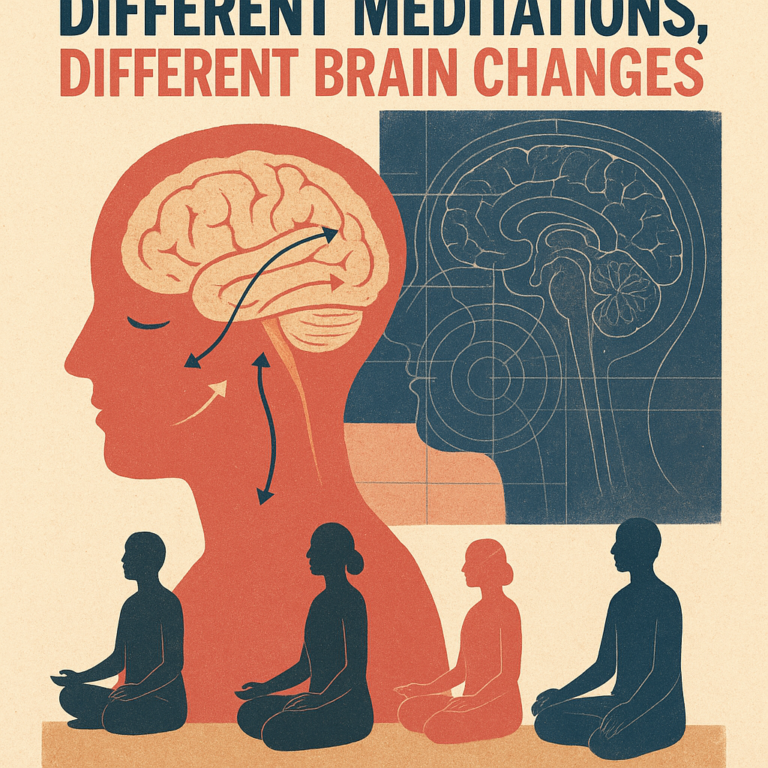
Different Meditations, Different Brain Changes
A 9-month study of 300+ participants found that different meditation techniques produce distinct structural changes in different parts of the brain.
Read the essay → The VergecastAGI is whatever you want it to beA front-row seat to the moment OpenAI casually declared AGI — with Joanna Stern's sharp skepticism and Hayden Field's alarm about opaque chain-of-thought making the hype feel genuinely dangerous rather than just silly.✦ Read ad free and get the full MichaelFilter · $5.50
 The DailyThe Intertwined Legacies of Gloria Steinem and Dolly PartonA meditation on how feminism needed two faces — the explicit organizer and the joyful embodier — told through one writer's honest reckoning with why she found Dolly Parton more accessible than Gloria Steinem as a child. The diner-jukebox ending is perfect.✦ Read ad free and get the full MichaelFilter · $5.50
 Code SwitchWe’re Miseducated on Lauryn HillA rare three-way conversation that moves past Lauryn Hill mythology to actually interrogate how Black female genius gets pathologized — the lateness, the 'crazy,' the disappearance — with archival tape that lets Hill speak for herself at her most unguarded.✦ Read ad free and get the full MichaelFilter · $5.50
Pandemic as systems stress test: structure reveals true function under pressure
Four years later: some communities collapsed, others discovered deeper self-practice capacity
**Body 1: Financial Collapse — Who Survived and Why**
Studios that closed: no reserves, high fixed costs, single-teacher dependency
Studios that survived: cash cushions, flexible costs, diversified income, distributed teaching
**Body 2: Community Dissolution and Reformation**
What was lost: geographic dispersion, teacher exodus, ruptured relationships
What emerged: online networks, self-practice capacity, distributed/hybrid models
**Body 3: The Forced Experiment in Self-Practice**
Some collapsed without external structure (dependence, not capacity, was revealed)
Others deepened: intrinsic motivation, self-trust, new non-authoritarian relationship to teachers
**Conclusion: Now Is the Time**
Losses (studios, teachers, practitioners, touch) are real and grievable
Gains (distributed knowledge, agency, exposed weaknesses) create opportunity
Choice ahead: rebuild toward open-source, agentic practice or drift back to dysfunction
 thatalexguy.devThe 3DS is the greatest handheld of all timeA personal essay praising the Nintendo 3DS XL as the greatest handheld console due to its vast game library spanning multiple generations, portability, customization options, and convenience features like suspend mode. The author chose it over larger devices for travel and uses it regularly instead✦ Read ad free and get the full MichaelFilter · $5.50
 thatalexguy.devI don’t know what to do on a computer anymore.A software developer describes losing the creative spark that drove his lifelong computing hobby. AI tools have made problem-solving feel pointless, leaving him staring at his desktop unsure what to do, mourning the loss of a core part of his identity since age twelve.✦ Read ad free and get the full MichaelFilter · $5.50
500
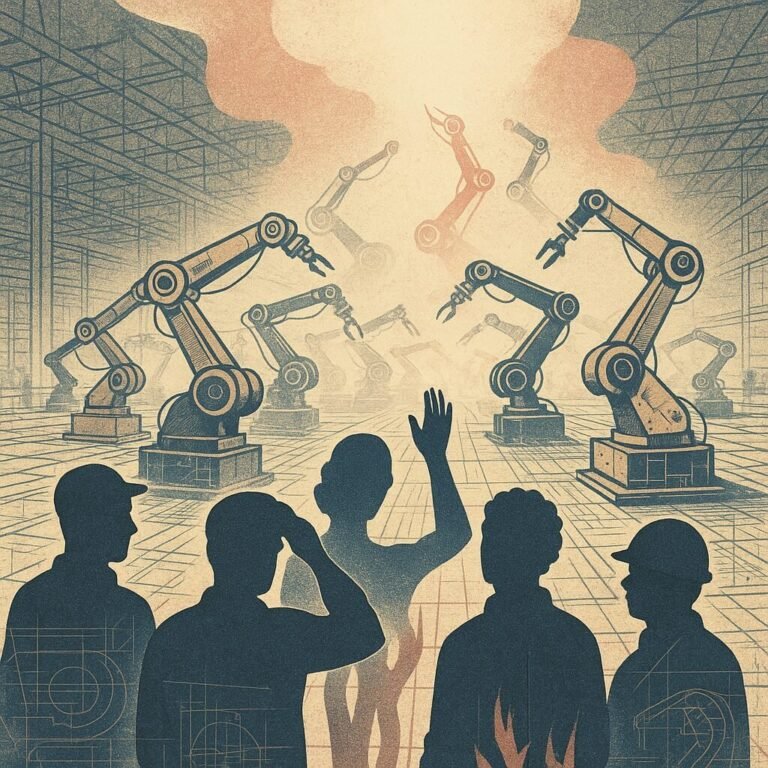
The AI Revolution Isn’t Taking Your Job. It’s Giving You Another One.
AI feels like empowerment, but it’s quietly turning us into our own accountants, lawyers, and help desks — unpaid.
Read the essay → The Economics of Everyday Things70. Prison LaborA clear-eyed tour through the hidden economics of incarcerated labor — who profits, who pays, and what 'choice' actually means behind bars. The numbers and personal detail make the abstraction impossible to dismiss.✦ Read ad free and get the full MichaelFilter · $5.50
Get MichaelFilter
Enter your email. We'll send a one-tap link to read today's edition free, in your browser — the link works for 24 hours. Membership unlocks every issue, PDFs, and transcripts.
Already a member of theyoga.club or ashtanga.tech? You're already on file — no re-registration. We won't add you to any list.