
Ashtanga Vinyasa Yoga Count
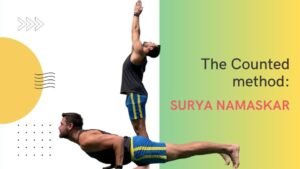
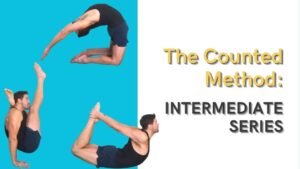
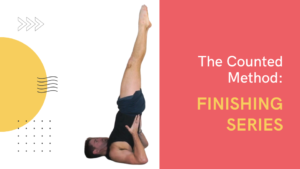
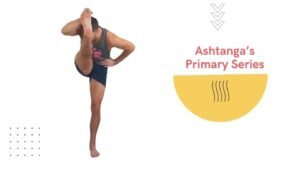
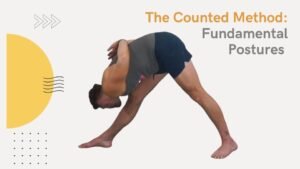
The count in Ashtanga Yoga is a key component of the practice, helping students maintain a steady rhythm and focus their attention on the breath. In Ashtanga Yoga, each posture is performed with a specific number of breaths, known as the vinyasa count. The count is typically given by the teacher, but it’s important for students to also learn the count themselves as a way to deepen their understanding of the practice. The primary and intermediate series of Ashtanga Vinyasa Yoga include a total of 72 postures, which are performed in a specific order. In a guided class, they often use a Sanskrit count. The postures in these series are considered “half vinyasa” because we don’t return to the top of the mat in between…
The Importance of a Healthy Spine in Ashtanga Yoga
Ashtanga yoga is a dynamic and physically challenging practice that requires strength, flexibility, and balance. But did you know that all of these elements depend on the health of your spine? In this article, we will explore the functions of the spine and the attributes of a healthy spine, and how they relate to your Ashtanga yoga practice. The Functions of the Spine The spine is a complex structure that serves many important functions in the body. It houses the spinal cord, which provides communication between the brain and the rest of the nervous system. It also transmits loads between the upper body and the lower body, and creates attachment points for muscles and bones, allowing for flexible movement in a range of directions. Finally,…
Get to Know Your Spine: A Guide for Ashtanga Yogis
Welcome to the world of Ashtanga Yoga, where we align our breath and movement to create a sense of calm and balance in our lives. One of the most important parts of our physical practice is the spine, the central axis of our body that supports our movements and protects our nervous system. In this guide, we’ll take a closer look at the anatomy of the spine, its different regions, and how we can enhance our practice by understanding our body’s structure. Section 1: The Anatomy of the Spine Let’s start with the basics. The spine is also known as the spinal column, the vertebral column, or the backbone. It’s made up of 33 specialized bones called vertebrae, which are divided into five regions: the…
Don’t Overstretch Yourself: A Guide to Safe and Effective Stretching in Ashtanga Yoga
Ashtanga yoga is a physical practice that requires a lot of stretching. It’s easy to get caught up in the pursuit of flexibility, but it’s important to remember that overstretching can lead to injury. In this guide, we’ll go over the anatomy and physiology of stretching and provide tips for safe and effective stretching in your Ashtanga practice. The Dangers of Overstretching Stretching can be beneficial for increasing range of motion and improving circulation, but overstretching can lead to muscle weakness, joint instability, and even permanent tissue damage. Signs of overstretching include burning sensations, popping sounds, aching muscles, sciatic pain, excessive clicking and popping of joints, and joint instability. Pregnant students are particularly at risk for overstretching, so it’s important to be extra cautious if…
Unlocking the Power of Bandhas in Ashtanga Yoga
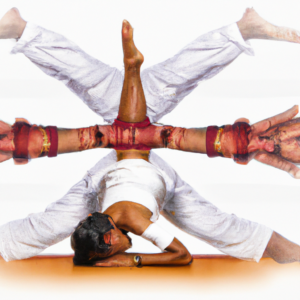
As an Ashtanga yoga practitioner, you may have heard of bandhas, the “locks” or “seals” that can help accumulate and channel prana, or life force energy. These advanced yogic techniques require time and patience to master, but can be a powerful tool in taking your yoga practice to the next level. In this article, we’ll explore how to unlock the power of bandhas in Ashtanga yoga. Understanding Bandhas In Ashtanga yoga, bandhas are a part of the larger group of yogic techniques called mudras, which are designed to “seal energy.” Each bandha is said to close or seal a part of the body in order to contain and direct energy. There are three main bandhas in Ashtanga yoga: Using Bandhas in Ashtanga Yoga Bandhas can…