









Similar Posts

Breathe with Ease: Exploring the Art of Natural Breathing
**Unveil the Power of Your Breath: Discovering Natural Breathing Techniques**
In our fast-paced world, the art of natural breathing often slips through the cracks, leaving us feeling tense and disconnected. Yet, as Denise Benitez beautifully puts it, breathing can transform into a graceful dance — a wellspring of vitality and serenity. Join us in our latest blog post, “Breathe with Ease: Exploring the Art of Natural Breathing,” where we delve into the various dimensions of this fundamental practice, from diaphragmatic breathing to effortless flow.
Explore how cultivating awareness around your breath can activate your body’s natural calming mechanisms, promote digestion, and even improve posture. Learn practical techniques that not only enhance your yoga practice but also integrate seamlessly into daily life.
Unlock the secrets to a more relaxed, vibrant existence. Embrace the journey of breathing with ease, and reconnect with the simple yet profound act that nourishes your being. Dive deeper into the serene world of natural breathing today!
What is Ashtanga Vinyasa Yoga? What’s Mysore Style? And More!
Over the last few years, I’ve received all sorts of questions about the type of yoga I practice and teach. Since before my last trip to India, I’ve been teaching Sunday-Friday at Kali Yoga Studio in Columbia Heights in a traditional format called “Mysore Style” Ashtanga Vinyasa Yoga. We call this program “DC Ashtanga.” In my experience of both practicing and teaching, I have come across no system of yoga more effective, exacting, or straight-up powerful as Ashtanga Vinyasa Yoga as it’s taught in Mysore. Right now, we have a $45-two week get-started special that will help new practitioners get their feet off the ground and flying high. Like sugar’s taste, its hard to explain, easy to experience. (and pretty darn sweet) Without further ado:…

Understanding the Causes of Suffering
In our journey through life, we often find ourselves entangled in a myriad of struggles, yet beneath these layers lies a singular root cause—avidya, or ignorance. This profound teaching from Yoga Philosophy invites us to explore the intricate relationship between our perceptions of self and the sources of our suffering. As we delve into the depths of dukkha and sukha, we uncover the transformative power of understanding how our thoughts shape our reality.
Ashtanga Vinyasa Inspired Power Yoga and Breathwork
This is class is 75 minutes. It is a bit of third, second, and first. We begin with a nice alternate nostril pranayama

What is Mysore Style Ashtanga Yoga?
Mysore Style Ashtanga Yoga is a powerful practice that has been gaining in popularity in the yoga world for many years now. Mysore Style Ashtanga Yoga is a dynamic, flowing and meditative practice that cultivates strength, flexibility and concentration. In fact, it is an excellent way to build strength and increase flexibility, while also calming the mind and the body. In this blog post, we will take a look at the basics of Mysore Style Ashtanga Yoga, to help you get a better understanding of what this type of practice entails. We’ll also explore how it differs from other types of yoga, and how it can be beneficial to anyone looking to improve their physical and mental health. So, without further ado, let’s dive into…
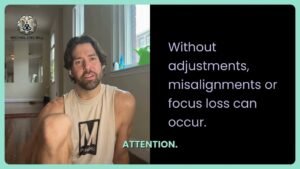
Home Practice Challenges for Ashtanga Yoga Practitioners
In this video, Michael Joel Hall discusses the challenges and benefits of practicing yoga at home without a teacher. He emphasizes the importance of self-awareness, consistency, and accountability. Hall warns about potential misalignments and the misuse of mirrors or video recordings, suggesting relying on internal systems like breath and mindful repetition. He stresses the significance of the Triana method, which includes breath, posture, and gaze, in maintaining a structured practice. Hall concludes that home practice should be approached with intention, focusing on self-discipline rather than perfection.
00:00 Introduction to Self-Discipline in Practice
00:15 Challenges of Home Practice
00:32 Tools and Techniques for Self-Feedback
00:54 The Triana Method and Its Importance
01:03 Balancing Consistency and Flexibility
01:15 Cultivating Self-Discipline and Awareness
Notes from the field
No notes yet · members & customers welcome
- No notes yet. Be the first to leave one.
Join MichaelFilter
Michael Joel Hall’s daily reading — the field journal, critical-thinking cards, and synthesis — as a membership.
$5.50/month · cancel anytime
Join — $5.50/mo →Secure checkout on theyoga.club. A yearly option ($55) is available there too.