










Similar Posts
Empower Your Yoga: Transformative Practice Secrets
Discover the transformative power of Yogic Agency in our latest video! Learn how to guide your practice with intention, making every session purposeful both on the mat and in your life. Explore how small, conscious choices can lead to life-changing transformations over time. From focusing on your breath to fostering a deep connection with yourself, this journey from Day 1 to Day 365 will redefine your yoga experience. Join us to unlock strength, clarity, and growth. Are you ready to make your practice truly intentional? #YogaJourney #MindfulLiving #YogicAgency

In Times of Crisis, Pratyahara
In times of crisis, the practice of Pratyahara can help us navigate the overwhelming influx of information and emotions. It’s not about tuning out the world, but rather pausing and gathering ourselves to respond with clarity and compassion. Discover how this ancient yogic practice promotes self-awareness and supports those who are suffering.
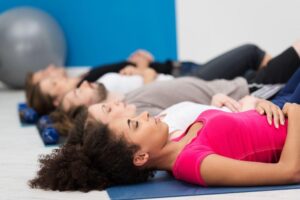
Exploring Breath Awareness in Daily Practice
**Excerpt: Exploring Breath Awareness in Daily Practice**
In the hustle and bustle of everyday life, how often do we pause to truly notice our breath? Join us as we delve into the transformative meditation practice of breath observation, a powerful tool that deepens our connection to self-awareness and enhances our yoga journey. This blog post guides you through the gentle art of simply observing your breath—no manipulation required. Discover techniques like counting each inhale and exhale, and learn how meaningful phrases can enrich your experience. Embrace the ebb and flow of your breathing with an open heart, allowing distractions to gently fade away as you anchor yourself in the present moment. With each mindful breath, unlock a reservoir of calm, clarity, and connection that not only elevates your practice on the mat but also infuses harmony into your daily life. Let’s embark on this journey of breath awareness together!

Before You Modify, Have a Reason
Most people don’t actually choose which version of a pose to do. They notice which version they end up in. The difference matters. Choosing means you weighed something, decided something. Noticing means you started moving, arrived somewhere, and called it good — or not good, usually with a story about why it’s not the version you wanted. The story is the problem. “This is the version I can do” sounds practical. It isn’t. It’s a statement about identity. It describes a ceiling. It’s self-critical information dressed up as pragmatic information. The person saying it is usually apologizing. “This serves me better today given what I’m working with” is different. It’s a statement about intelligence. It describes a choice made from understanding. The person saying it…
Notes from the field
No notes yet · members & customers welcome
- No notes yet. Be the first to leave one.
Join MichaelFilter
Michael Joel Hall’s daily reading — the field journal, critical-thinking cards, and synthesis — as a membership.
$5.50/month · cancel anytime
Join — $5.50/mo →Secure checkout on theyoga.club. A yearly option ($55) is available there too.