
Counting Parsvottanasana with Mindful Prep

Counting Parsvottanasana with Mindful Prep

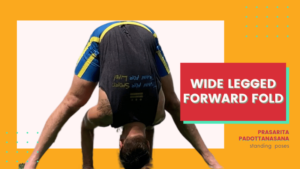
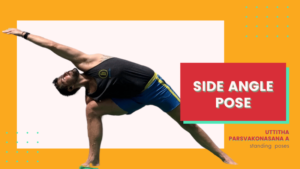
Counting Your Way to Clarity: The Transformative Journey of Parsvottanasana Embark on a transformative journey with Parsvottanasana, the intense side stretch pose. This powerful asana transcends physicality, offering profound insights into both body and mind. As you dive deeper into the pose, discover how the art of counting can illuminate your practice, providing clarity and focus that enhances your ashtanga experience. Anatomy of Parsvottanasana Parsvottanasana challenges the body, inviting the pelvis to rotate towards the front leg while engaging key muscle groups. Seamlessly transitioning from Ardha Chandrasana, this pose not only intensifies the stretch but also awakens various muscle fibers, particularly in your hamstrings and calves. PÄRSVÕTTANASANA (5 MOVEMENTS) 1 EKAM Inhale, open to the right, hands in prayer behind back 2 DVE Exhale, fold 3 TRINI Inhale, up, turn to the front 4 CATVARI Exhale, fold 5 PANCA Inhale, up, open to the side Exhale, Samasthiti Counterbalancing the Mind and Body Each count in Parsvottanasana connects breath, movement, and intention, creating a rhythm that anchors your practice. As you breathe, you cultivate awareness and clarity, harmonizing the mental and physical realms—ultimately discovering the profound interconnectedness of your being. Mindful Preparations Preparation is crucial for a safe and effective Parsvottanasana. Begin in Tadasana with hands in reverse namaste, opening your shoulders and releasing tension. This mindful approach sets the stage for a deeper stretch, inviting clarity into your alignment and practice. Synergizing for Success The pectoralis major collaborates with the subscapularis and teres major to inwardly rotate the upper arm while stretching shoulder external rotators. Upper back muscles pull shoulder blades toward the spine, creating space in the chest. The rectus abdominis stabilizes the fold, while the psoas maintains the extended leg’s position. By harnessing these relationships, you amplify your experience in Parsvottanasana, moving beyond physicality to cultivate clarity both on and off the mat. For deepening your understanding of Parsvottanasana and its counting, explore our detailed guide: Parsvauttanasana – The Count. Ultimately, Parsvottanasana invites us into a dance of awareness—a fusion of physical engagement and mental clarity. Embrace each of the five movements, counting intentionally, and uncover how this practice can enhance your yoga journey and everyday life.

Brahmari (Bee Breath) Pranayama

Brahmari (Bee Breath) Pranayama

Brahmari Pranayama: The Bee Breath Technique for Calm and Clarity

This video introduces Brahmari Pranayama, also known as Bee Breath, a powerful yet simple pranayama technique. It involves creating a gentle buzzing sound on the exhale to calm the mind, regulate the nervous system, and enhance awareness. The practice is effective for soothing anxiety, improving concentration, and preparing for meditation. The video guides viewers through the steps of Brahmari, emphasizing a comfortable posture, natural breathing, and the importance of not forcing the exhale. Brahmari is beneficial for speakers, singers, and teachers, supporting speech and vocal clarity. Consistent practice can help cultivate inner stillness and clarity.

00:00 Brahmari (Bee Breath) Video
00:11 Introduction to Brahmari (Bee Breath)
00:32 How to Practice Brahmari
00:46 Benefits of Brahmari
01:00 Tips for Effective Practice
01:10 Conclusion and Consistent Practice

Mental Health Considerations

Mental Health Considerations

This is a video about Mental Health Considerations for Ashtanga Yoga Practitioners. Visit michaeljoelhall.com/coaching to book a session if you’d like to chat about your practice.

00:00 Introduction: The Struggles in the Yoga Room
00:09 The Intensity of Ashtanga Yoga
00:35 Mental Health and Yoga Practice
01:01 Adapting Yoga for Mental Well-being
01:28 Modifications for Emotional Safety
01:50 Shifting from Tradition to Individual Needs
02:41 Reframing Ashtanga for Mental Health
02:47 Empowering Practitioners
02:53 Conclusion: Meeting Practitioners Where They Are

Ashtanga Yoga Means Personalized Practice

Ashtanga Yoga Means Personalized Practice

This is a video about Ashtanga Yoga’s Personalized Practice. Visit michaeljoelhall.com/coaching to book a session if you’d like to chat about your practice.

00:00 Introduction to Autonomy in Practice
00:07 The Importance of Adaptability
00:27 Factors Influencing Sustainable Practice
01:04 Honoring the Method Through Adaptation
01:17 Challenging Traditional Norms
01:29 The Role of Structure in Practice
01:44 Moving Beyond a Single Way to Practice
02:08 Conclusion and Next Steps

Mysore Style Ashtanga Yoga: Introducing A Personal Journey into Self-Practice

Mysore Style Ashtanga Yoga: Introducing A Personal Journey into Self-Practice

Embark on a transformative journey as we unveil the essence of Mysore Style Ashtanga Yoga—a practice steeped in history and rich with personal discovery. Rooted in the teachings of yoga luminaries Krishnamacharya and Sri K. Pattabhi Jois, Mysore style offers a unique blend of personalized instruction, self-paced progression, and a profound connection to breath and movement. This blog delves into the hallmarks that define this remarkable method, inviting both newcomers and seasoned yogis to deepen their understanding and foster independence on their mats. Whether you seek alignment, mindfulness, or a structured path to self-discovery, join us as we explore how Mysore Style Ashtanga Yoga can become a powerful tool for growth and transformation.

Aligning Insights: Understanding Problem Cues in the Spine and Pelvis for Optimal Ashtanga Practice

Aligning Insights: Understanding Problem Cues in the Spine and Pelvis for Optimal Ashtanga Practice

Discover the vital relationship between the spine, pelvis, and optimal Ashtanga practice in our latest blog, “Aligning Insights.” We’ll explore essential alignment cues such as anterior and posterior tilt, rib flare, and the crucial technique of tucking the tailbone. Learn how to enhance your practice by understanding these problem cues and embodying healthier postural mechanics. With insights drawn from expert research, your journey toward a more aligned and fulfilling yoga experience.

Understanding the Causes of Suffering

Understanding the Causes of Suffering

In our journey through life, we often find ourselves entangled in a myriad of struggles, yet beneath these layers lies a singular root cause—avidya, or ignorance. This profound teaching from Yoga Philosophy invites us to explore the intricate relationship between our perceptions of self and the sources of our suffering. As we delve into the depths of dukkha and sukha, we uncover the transformative power of understanding how our thoughts shape our reality.