The Toxic Teacher Trap in Ashtanga Yoga: When Subjectivity Masquerades as Objectivity

The Toxic Teacher Trap in Ashtanga Yoga: When Subjectivity Masquerades as Objectivity

In this video, Michael Joel Hall discusses the ‘Ashtanga Yoga Teacher Trap,’ a scenario where personal experiences of yoga teachers are misconstrued as universal truths. Highlighting the dangers of authoritarianism and high-demand dynamics in yoga communities, Hall emphasizes the importance of honoring individual experiences, promoting self-awareness, and fostering personal agency. He stresses the need for discernment, humility, and open dialogue, both from teachers and students, to ensure yoga remains a personal and explorative practice.

00:00 Introduction to the Ashtanga Yoga Teacher Trap
00:11 Subjectivity vs. Objectivity in Teaching
00:59 The Dangers of Authoritarian Teaching
01:26 High Demand Dynamics and Cult-like Behavior
02:03 The Importance of Honoring Student Experience
03:22 The Role of Humility and Discernment in Teaching
03:46 Conclusion: Maintaining Dialogue in Practice

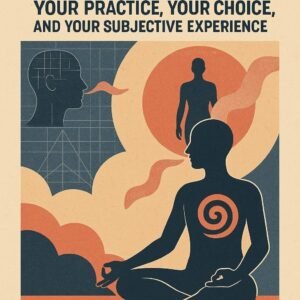
Ashtanga Yoga: Your Practice, Your Choice, and Your Subjective Experience

Ashtanga Yoga: Your Practice, Your Choice, and Your Subjective Experience

This episode is on the topic of subjectivity in Ashtanga Yoga. This video emphasizes the importance of internal experiences over external instructions, highlighting how true understanding comes from doing rather than merely discussing. Learn about the role of breath (pranayama), the significance of bandhas, and how individual taste and preference can shape your practice. Michael also touches on the balance between subjective experience and objective assessment, providing insights into refining your yoga journey for both nourishment and growth.

00:00 Introduction and Greeting
00:03 Understanding Subjectivity in Ashtanga Yoga
00:33 The Importance of Internal Experience
01:08 The Role of Bandhas and Breath
02:12 Developing Personal Practice
03:36 Balancing Subjectivity and Objectivity
04:03 Challenges in Self-Assessment
05:08 Community Influence and Objectivity
05:42 Conclusion and Final Thoughts

Ashtanga Teacher Qualifications ( Uh Oh)

Ashtanga Teacher Qualifications ( Uh Oh)

In this episode, MJH delves into the methods of qualification for an Ashtanga Yoga teacher, contrasting traditional practices with modern approaches. Hall discusses the historical context of authorization by Patabi the current certification processes. He highlights issues with evaluation models, explaining the benefits of a non-linear understanding of system dynamics over linear assessments. Hall shares personal experiences, including conflicts in teaching methods, and emphasizes the importance of ethical frameworks and personal growth for both teachers and students in Ashtanga Yoga.

00:00 Ashtanga Yoga Assessment Paradigms
00:13 Historical vs. Modern Certification Methods
01:15 Challenges in Modern Certification
02:18 Open Systems, Closed Systems, and Narrow Minds
03:11 Personal Teaching Conflicts and Adaptations
04:13 Linear vs. Non-Linear System Dynamics
05:57 Holistic Criteria for Assessing Teachers
06:26 Balancing Physical and Ethical Development
07:16 Questions for Personal Practice and Teaching
08:35 Conclusion: The Importance of Ethical Teaching

Using Objective Analysis and Inner Perception in Ashtanga Yoga

Using Objective Analysis and Inner Perception in Ashtanga Yoga

In this episode, I delve into the importance of balancing objectivity and subjectivity in Ashtanga Yoga practice. Objective analysis focuses on measurable aspects such as alignment, breath length, stance, and body placement. However, maintaining awareness of your subjective experience—your personal journey and internal responses—is equally crucial. The video also highlights the role of a skilled teacher and the significance of developing your internal compass to guide your practice, empowering you to adapt practices to your unique needs.

00:00 Objective Analysis of Practice
00:26 Embracing Subjective Experience
00:53 The Role of the Teacher
01:11 Developing Your Inner Compass

The Art of Assisting in Ashtanga Yoga: Beyond Physical Adjustments

The Art of Assisting in Ashtanga Yoga: Beyond Physical Adjustments

The Art of Assisting in Ashtanga Yoga: Beyond Physical Adjustments

In this video, Michael Joel Hall, a seasoned Ashtanga Yoga teacher based in Washington DC, delves into the nuanced art and responsibility of assisting in yoga practice. Hall emphasizes that assisting is not about fixing students but about supporting their personal practice through presence and understanding. Drawing on systems thinking and yoga philosophy, he discusses the significance of verbal, visual, and physical assists, the importance of consent and trauma awareness, and the spiritual dimension of assisting within the framework of the eight limbs of yoga. The key message is to support the students’ exploration and self-organization rather than imposing corrections, advocating for a holistic approach that respects individual needs and fosters mutual growth.

00:00 Introduction and Welcome
00:08 The Art and Responsibility of Assisting
01:04 Purpose of Assisting in Ashtanga Yoga
01:48 Supporting an Intelligent System
03:21 Spiritual Practice of Assisting
05:50 Types of Assists: Verbal, Visual, Physical
08:17 Consent, Touch, and Trauma Awareness
10:27 Feedback Loops in Assisting
12:36 Adaptation and Individualization

Introduction to Collaborative Dynamics in Ashtanga Yoga: Subjective Experience vs Objectivity

Introduction to Collaborative Dynamics in Ashtanga Yoga: Subjective Experience vs Objectivity

Subjectivity vs. Objectivity in Ashtanga Yoga Practice

In this video, Michael Joel Hall discusses the important balance between subjectivity and objectivity in Ashtanga yoga practice. He explores how personal experience and objective observation impact our practice and progress. Michael emphasizes the need to balance inner experiences with feedback from teachers, historical standards, and self-reviews. The video highlights the significance of having worthy mentors and using feedback constructively to enhance practice and self-awareness.

00:00 Introduction to Subjectivity vs. Objectivity in Ashtanga Yoga
00:52 Balancing Personal Experience and Objective Observation
01:39 The Role of Feedback and Blind Spots
02:12 Trust and the Inner Compass
03:21 Conclusion and Final Thoughts

Alignment and Form in Ashtanga Yoga

Alignment and Form in Ashtanga Yoga

Michael Joel Hall shares his insights on alignment and form in Ashtanga Yoga, emphasizing the importance of functionality over aesthetics in postures. He discusses how stability, internal awareness, and breath play pivotal roles in developing both strength and flexibility. Hall highlights that true depth in practice arises from understanding the purpose and mechanics of poses rather than merely striving for visually perfect forms.

00:00 Introduction to Alignment in Ashtanga Yoga
00:12 Principles and Practice of Functional Alignment

00:00 Introduction to Alignment in Ashtanga Yoga
00:12 Principles and Practice of Functional Alignment

Avoiding Fixation on Perfect Form in Ashtanga Yoga

Avoiding Fixation on Perfect Form in Ashtanga Yoga

The Trap of Perfect Alignment in Yoga: Embrace Internal Balance

Michael Joel Hall discusses the pitfalls of obsessing over perfect alignment in yoga Asana. He emphasizes that the body is dynamic and that chasing an idealized form can lead to strain, frustration, and injury. Hall advocates for alignment that supports internal balance and sustainable practice rather than just external aesthetics. He reminds viewers that progress in Ashtanga Yoga is about stability, breath, and awareness, and that pain should be seen as a warning sign, not a marker of progress.

00:00 Introduction to Alignment in Yoga and Perfection’s Pitfalls
00:43 True Alignment: Internal Balance and Awareness