


Ashtanga Vinyasa Yoga Count
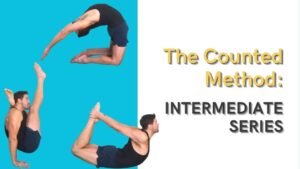
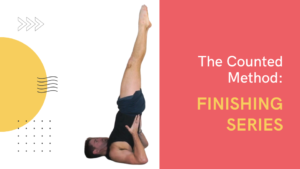
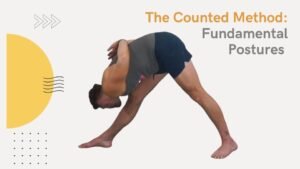
The count in Ashtanga Yoga is a key component of the practice, helping students maintain a steady rhythm and focus their attention on the breath. In Ashtanga Yoga, each posture is performed with a specific number of breaths, known as the vinyasa count. The count is typically given by the teacher, but it’s important for students to also learn the count themselves as a way to deepen their understanding of the practice. The primary and intermediate series of Ashtanga Vinyasa Yoga include a total of 72 postures, which are performed in a specific order. In a guided class, they often use a Sanskrit count. The postures in these series are considered “half vinyasa” because we don’t return to the top of the mat in between…
The Importance of a Healthy Spine in Ashtanga Yoga
Ashtanga yoga is a dynamic and physically challenging practice that requires strength, flexibility, and balance. But did you know that all of these elements depend on the health of your spine? In this article, we will explore the functions of the spine and the attributes of a healthy spine, and how they relate to your Ashtanga yoga practice. The Functions of the Spine The spine is a complex structure that serves many important functions in the body. It houses the spinal cord, which provides communication between the brain and the rest of the nervous system. It also transmits loads between the upper body and the lower body, and creates attachment points for muscles and bones, allowing for flexible movement in a range of directions. Finally,…
Back to Basics: Understanding the Anatomy of Your Back Muscles for a Stronger Ashtanga Practice
Do you ever wonder why your back feels sore after a vigorous Ashtanga practice? Or maybe you’re struggling to lift up into your Chaturanga without collapsing in the middle? It’s time to get back to basics and understand the anatomy of your back muscles! In this lesson, we’ll explore the different categories of back muscles and how to strengthen and stretch them through Ashtanga poses. But don’t worry, we won’t be boring you with complicated medical terms. We’ll keep it fun and easy to understand, just like your yoga practice. Superficial Muscles: Let’s Get This Party Started First up, we have the superficial muscles. Don’t let the name fool you, these muscles play a vital role in your yoga practice. The trapezius, latissimus dorsi (lats),…
Get to Know Your Spine: A Guide for Ashtanga Yogis
Welcome to the world of Ashtanga Yoga, where we align our breath and movement to create a sense of calm and balance in our lives. One of the most important parts of our physical practice is the spine, the central axis of our body that supports our movements and protects our nervous system. In this guide, we’ll take a closer look at the anatomy of the spine, its different regions, and how we can enhance our practice by understanding our body’s structure. Section 1: The Anatomy of the Spine Let’s start with the basics. The spine is also known as the spinal column, the vertebral column, or the backbone. It’s made up of 33 specialized bones called vertebrae, which are divided into five regions: the…
The Business of Yoga: A Guide for Mindful Ashtanga Practitioners
Are you an Ashtanga yoga practitioner who is considering becoming a yoga teacher? Or are you already a yoga teacher who wants to improve your business skills? Then this guide is for you! In this article, we will explore the business aspect of yoga teaching and give you tips on how to run a mindful business. The Importance of Your Niche As a yoga teacher, it’s important to find your niche. Your niche is the area of focus within yoga teaching that sets you apart from other teachers. For example, you may specialize in teaching Ashtanga yoga for beginners or yoga for athletes. By choosing a niche, you can build a brand around your expertise and attract students who are looking for that specific type…
From Studio to Retreats: How Ashtanga Yoga Teachers Can Build Experience and Income
Hello, hello, hello, Ashtanga yogis! Are you looking to build your experience and create new revenue streams as a yoga teacher? If so, you’ve come to the right place! In this blog post, we’ll explore different teaching formats and opportunities that can help you achieve your goals. Let’s dive in! Part 1: Building Experience Part 2: Creating Revenue Streams Part 3: Maximizing Passive and Residual Income Part 4: Understanding the Importance of Connection Conclusion: Whether you’re looking to build experience or create new revenue streams, there are plenty of opportunities out there for you. By exploring different teaching formats and opportunities, you can find new and exciting ways to share your love of yoga with others. And remember, connection is at the heart of the…