Enhance Yoga Engagement with CRM Strategies

Discover how a CRM can transform your yoga classes into a highly engaging environment. Learn the secrets of using student profiles to tailor your communication and build a supportive community with Michael Joel Hall. 🧘‍♀️ By effectively using student segmentation, you can personalize experiences, whether you’re sending breathing exercises or advanced workshops to the right audience. Find out how FluentCRM ensures timely and meaningful communication that strengthens student connections and retention. Implement these strategies for a thriving yoga practice and community today! #YogaEngagement #CRMforYoga #FluentCRM

Similar Posts

  • Cultivating Self-Awareness Through Practice

    In this video, Michael Joel Hall explores the concept of self-awareness through the practice of yoga. He discusses how physical patterns observed during yoga can mirror deeper mental models affecting our life experiences. Hall encourages understanding not just what we do, but why we do it, by relating the approach to challenging yoga postures with how we handle life’s challenges. He outlines how beliefs manifest in actions and outcomes, and emphasizes the transformative power of awareness. Practical tools such as morning check-ins, pattern journaling, body scans, and mindful transitions are suggested to deepen self-awareness. Hall also highlights the importance of community in accelerating growth and understanding our broader impact on the world. The video invites viewers to start their own journey of self-observation and build a foundation of awareness for personal transformation.

    00:00 Introduction to Self-Awareness
    00:24 The Mirror of Practice
    00:48 Breaking Down Mental Models
    01:23 Practical Steps for Self-Awareness
    02:37 Tools and Community Support

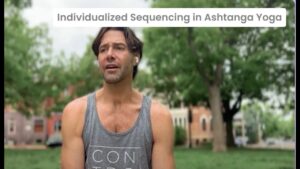
  • Individualized Sequencing in Ashtanga Yoga

    Individualized Sequencing in Ashtanga Yoga

    —

    **Introduction**

    Hello! Michael Joel Hall here, diving into the world of individualized sequencing in Ashtanga Yoga. While Ashtanga is known as a structured system, it’s crucial to realize that adaptability is its core strength. Without it, the practice becomes fragile. The traditional sequence, developed throughout the late 20th century, is designed to cultivate strength, flexibility, and resilience through its progressive and intentional design. But what happens when the system faces the individual realities of injuries, physical limitations, and unique biomechanics?

    —

    **Understanding Challenges and Adaptations**

    Ashtanga Yoga, like any practice, meets unique individual challenges. When faced with pain, limitations in breath stability, or when a posture aggravates an existing injury, adjustments become essential. It’s vital to adapt intelligently without compromising the essence of the practice. Obstacles such as existing injuries or unique physical structures can sometimes act as barriers that cannot be overcome by sheer determination or force.

    —

    **Integrating Therapeutic Adaptations and Vinyasa Flow**

    Therapeutic adaptations can be integrated smoothly without breaking the vinyasa count, by maintaining the rhythm of breath and incorporating regressive movements that facilitate appropriate breathing and motion. The core purpose of Vinyasa is to preserve the continuous flow of energy. As long as substitutions support these core goals rather than disrupt them, why not embrace them? This way, the integrity of the system remains intact.

    —

    **Balancing Tradition with Sustainability**

    One of the significant challenges in modern Ashtanga Yoga is balancing tradition with the sustainability of practice. As we incorporate our western conditions and lifestyles, rigid adherence can lead to more injuries or create unnecessary exclusion. There’s a misconception that modifying the practice will dismantle its structure, but that only happens if modifications are made without discernment. Understanding why the sequence exists and adapting it with respect and intelligence gives it a long-term vision.

    For me, this practice extends beyond a single session. It’s an insight practice—a lifelong journey. Don’t you want a practice that offers lifetime insights?

    —

    In conclusion, individualized sequencing in Ashtanga Yoga is about making intelligent adaptations to honor both the tradition and personal needs. This nuance allows for sustainability and inclusivity, ensuring that the practice benefits each practitioner uniquely over their lifetime.

  • Empower Your Yoga: Transformative Practice Secrets

    Discover the transformative power of Yogic Agency in our latest video! Learn how to guide your practice with intention, making every session purposeful both on the mat and in your life. Explore how small, conscious choices can lead to life-changing transformations over time. From focusing on your breath to fostering a deep connection with yourself, this journey from Day 1 to Day 365 will redefine your yoga experience. Join us to unlock strength, clarity, and growth. Are you ready to make your practice truly intentional? #YogaJourney #MindfulLiving #YogicAgency

  • Navigating Teacher Burnout: Strategies for Self-Care and Healing

    Teaching yoga is a profound and fulfilling vocation, yet the weight of responsibility can lead to burnout if we’re not mindful. As Jason Crandell reminds us, the journey is not for the faint-hearted, with challenges such as compassion fatigue, financial worries, and the isolation that can come with the role.

    In this blog, we’ll explore essential strategies for self-care that will not only help you recognize the signs of burnout but also empower you to take proactive steps towards healing. From nurturing your personal practice to prioritizing rest and connection, discover how you can align your expectations and embrace the journey of teaching without sacrificing your well-being.

    Join us as we dive into effective self-care techniques designed to rejuvenate your spirit and enhance your teaching capacity—because self-care isn’t just a luxury; it’s a necessity that allows you to shine brighter for your students. Embrace the process and remember, when you prioritize yourself, you elevate your entire practice.

  • Home Practice Challenges for Ashtanga Yoga Practitioners

    In this video, Michael Joel Hall discusses the challenges and benefits of practicing yoga at home without a teacher. He emphasizes the importance of self-awareness, consistency, and accountability. Hall warns about potential misalignments and the misuse of mirrors or video recordings, suggesting relying on internal systems like breath and mindful repetition. He stresses the significance of the Triana method, which includes breath, posture, and gaze, in maintaining a structured practice. Hall concludes that home practice should be approached with intention, focusing on self-discipline rather than perfection.
    00:00 Introduction to Self-Discipline in Practice
    00:15 Challenges of Home Practice
    00:32 Tools and Techniques for Self-Feedback
    00:54 The Triana Method and Its Importance
    01:03 Balancing Consistency and Flexibility
    01:15 Cultivating Self-Discipline and Awareness

Notes from the field

No notes yet · members & customers welcome

  1. No notes yet. Be the first to leave one.

Leave a note

Want more? (optional — commenting alone never subscribes you)
Comments are for members & customers. We’ll email a one-tap link to confirm it’s you.