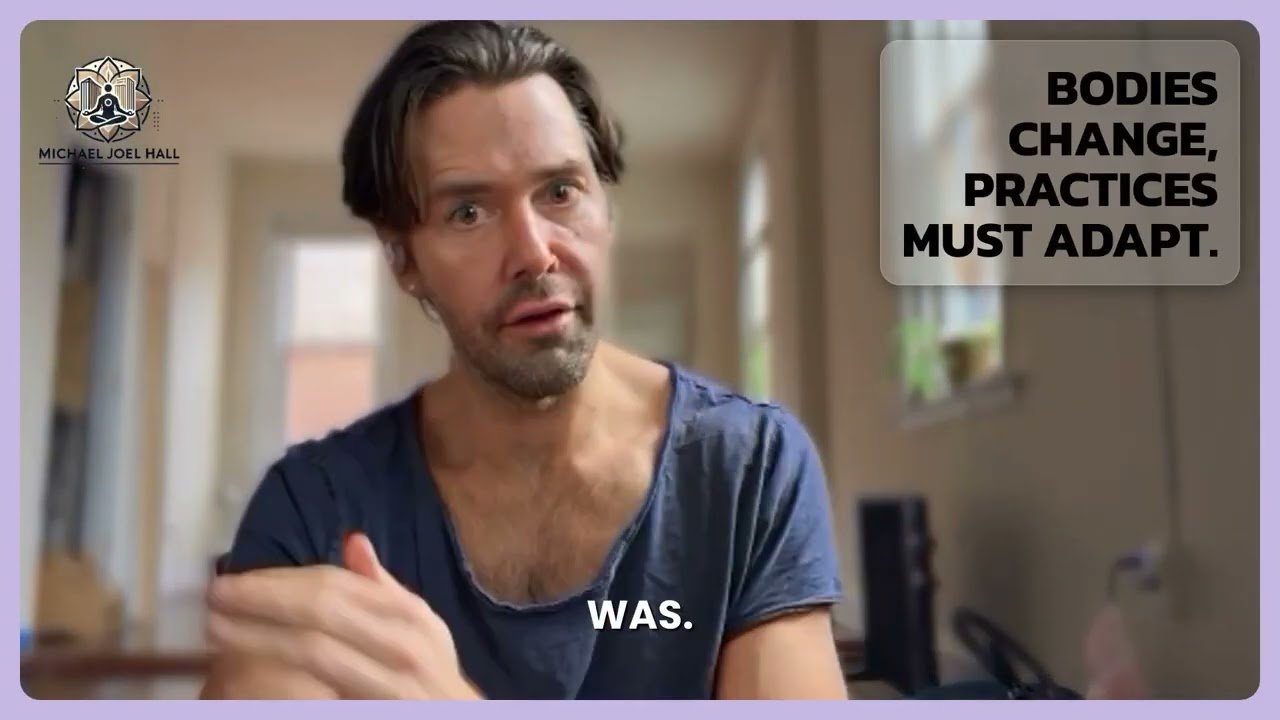
Age Related Modifications

Adapting Ashtanga Yoga for a Lifetime. Visit michaeljoelhall.com/coaching to book a session if you’d like to chat about your practice.

00:00 Introduction: Yoga for All Ages
00:09 Adapting Ashtanga for Aging Bodies
00:31 Modifications for Longevity
00:45 Evolving Your Practice
01:02 Sustainability Over Performance
01:15 Embracing Lifelong Adaptability

Similar Posts

  • Vinyasa Yoga: Breath & Movement

    Brahmari Pranayama: The Bee Breath Technique for Calm and Clarity

    This video introduces Brahmari Pranayama, also known as Bee Breath, a powerful yet simple pranayama technique. It involves creating a gentle buzzing sound on the exhale to calm the mind, regulate the nervous system, and enhance awareness. The practice is effective for soothing anxiety, improving concentration, and preparing for meditation. The video guides viewers through the steps of Brahmari, emphasizing a comfortable posture, natural breathing, and the importance of not forcing the exhale. Brahmari is beneficial for speakers, singers, and teachers, supporting speech and vocal clarity. Consistent practice can help cultivate inner stillness and clarity.

    00:00 Brahmari (Bee Breath) Video
    00:11 Introduction to Brahmari (Bee Breath)
    00:32 How to Practice Brahmari
    00:46 Benefits of Brahmari
    01:00 Tips for Effective Practice
    01:10 Conclusion and Consistent Practice

  • The Yamas and Niyamas in Modern Practice

    There’s something odd about a Mysore room. No blaring playlists. No teacher on a headset shouting “FIND YOUR INNER FIRE!” Just a bunch of sweaty people breathing like Darth Vader and bending like origami — all in near silence. It looks calm. It’s not. Underneath that still surface? Pure chaos, transformation, and the occasional emotional meltdown masked as a backbend. And weirdest of all? When one person has a breakthrough — sticks a jump-back, drops into kapo, or finally breathes through their existential dread in supta kurmasana — it somehow lifts everyone. Welcome to the group project you didn’t know you signed up for: The Collective Energy Field™ — where your personal practice is apparently everybody’s business. I. The Science of Collective Energy (or, Why…

  • Dismantling Authoritarianism with Ashtanga Yoga: Power, Practice, Justice

    In this video, we unbox the concept of decolonizing your yoga practice by removing authoritarianism and emphasizing self-study. This episode covers the cultural context of Ashtanga Yoga, the impact of colonialism and capitalism in shaping Western yoga practices, and the need for open-source teaching. Michael discusses historical gender biases, the guru-student power dynamic, and the issues of gatekeeping and groupthink in yoga communities. Learn about the importance of making yoga accessible and fostering community-centered approaches while balancing tradition with the evolution of Ashtanga Yoga. Discover how decommodification and recognizing inner intelligence can lead to true liberation in your practice.

    00:00 Dismantling Authoritarianism with Ashtanga Yoga: Power, Practice, Justice
    00:01 Introduction to Decolonizing Yoga
    00:15 Historical Context and Cultural Impact
    01:12 Examining Patriarchal Elements
    02:14 Power Dynamics and Gatekeeping
    03:37 Cultural Imperialism in Teaching
    04:50 Appropriation vs. Appreciation
    06:43 Open Source Teaching as Solution
    08:12 Making Yoga Accessible
    10:12 Balancing Tradition with Evolution
    11:49 Self-Education and Awareness
    14:05 Conclusion: Path to Liberation

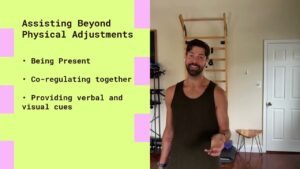
  • The Art of Assisting in Ashtanga Yoga: Beyond Physical Adjustments

    The Art of Assisting in Ashtanga Yoga: Beyond Physical Adjustments

    In this video, Michael Joel Hall, a seasoned Ashtanga Yoga teacher based in Washington DC, delves into the nuanced art and responsibility of assisting in yoga practice. Hall emphasizes that assisting is not about fixing students but about supporting their personal practice through presence and understanding. Drawing on systems thinking and yoga philosophy, he discusses the significance of verbal, visual, and physical assists, the importance of consent and trauma awareness, and the spiritual dimension of assisting within the framework of the eight limbs of yoga. The key message is to support the students’ exploration and self-organization rather than imposing corrections, advocating for a holistic approach that respects individual needs and fosters mutual growth.

    00:00 Introduction and Welcome
    00:08 The Art and Responsibility of Assisting
    01:04 Purpose of Assisting in Ashtanga Yoga
    01:48 Supporting an Intelligent System
    03:21 Spiritual Practice of Assisting
    05:50 Types of Assists: Verbal, Visual, Physical
    08:17 Consent, Touch, and Trauma Awareness
    10:27 Feedback Loops in Assisting
    12:36 Adaptation and Individualization

Notes from the field

No notes yet · members & customers welcome

  1. No notes yet. Be the first to leave one.

Leave a note

Want more? (optional — commenting alone never subscribes you)
Comments are for members & customers. We’ll email a one-tap link to confirm it’s you.