Performing the Practice vs. Reading It: Why Inheritance Isn’t Understanding
A student stayed after class one morning and asked me why we never skip the closing sequence. Not a hard question. The kind a teacher should be able to answer in a sentence. I opened my mouth and what came out was, “Because that’s how it’s done.” True, and useless. I had been practicing Ashtanga for years, teaching it, and in that moment I heard exactly how much of what I knew was inheritance and not understanding. I could perform the practice. I couldn’t read it.
For a long time I practiced the way most people do: by trust. Someone who knew more than me put me in a room, gave me a sequence, told me to keep coming back. And I did, and it worked on me the way it works on everyone — it changed my body, my attention, the shape of my days. But I knew the count without knowing why the count existed. I knew the sequence without knowing why it was ordered this way and not some other. I had received the myth. I had never been handed the map.
The scaffolding is not the building
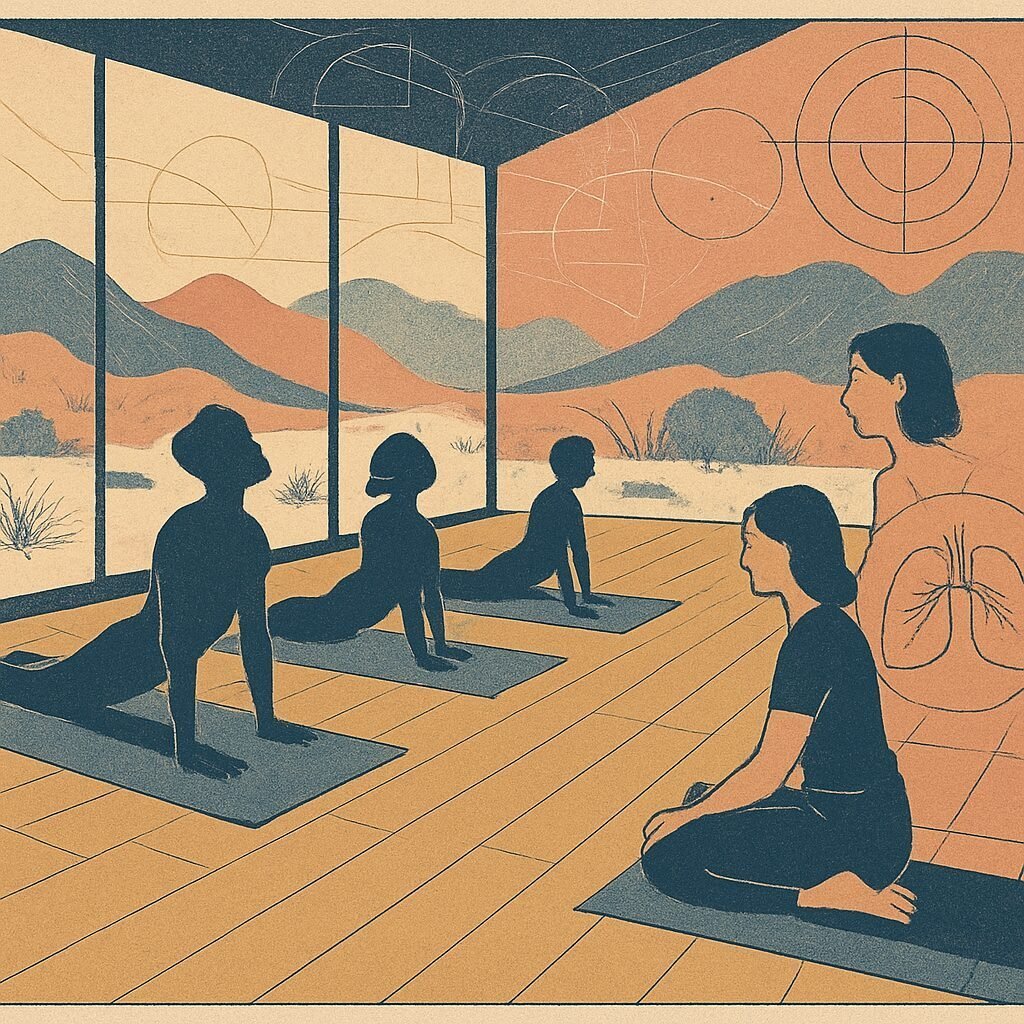
Ashtanga arrives wrapped in a lot of scaffolding. Some of it is beautiful. Some of it is old habit dressed up as sacred. There’s a strain in the culture that says the not-understanding is the point — that mystery is reverence, that to ask how the machine works is to disrespect it. I understand where that comes from. I don’t believe it anymore, because when I finally took the whole thing apart and looked, the method got more impressive, not less. The sequence self-corrects. It builds strength before it asks for it. It loads the body in an order that makes anatomical sense, closes every session in a way that settles the nervous system, and runs the whole thing off the breath as its clock. A cathedral doesn’t become less holy because you can see how the arches carry the weight.
What I could not accept was how the method usually reaches people. A different sequence on every app. A mood check-in standing in for a practice. A one-size playlist that doesn’t know your body. A disposable PDF you download, lose, and re-buy. Or the older version of the same problem — a dependence so total that you can’t take a single step without a teacher in the room to approve it. All of it leaves you exactly where I was that morning with the student: able to move, unable to explain, renting your own practice from someone else.
Why I built the technology
So I built the course I wish someone had handed me on day one — and I built the tools underneath it, because the understanding I wanted couldn’t survive on a printout. The count is the clearest example. It is genuinely hard to learn alone: Sanskrit, breath-by-breath timing, both sides, and no one to call it out for you. So I made timed, breath-by-breath count videos that hold the tempo so you can stop translating and start practicing. Guided audio carries you through the sittings. And a Practice Recorder logs what you actually did, week by week — ?week=N, your own progression, in your own record — so the practice stops being a thing you half-remember and becomes a thing you can read back.
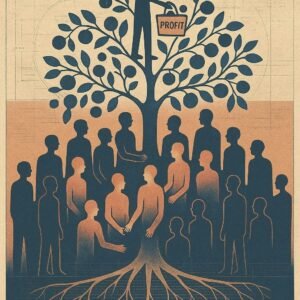
Here is the part I’ll confess plainly. I could have written a post about all of this — about owning your practice, about the map versus the myth, about slop. I’ve read a hundred of those posts. Talk is the cheapest thing in wellness. So I ran the audit on myself: what do I actually value, and would I do the work to prove it? The answer is this platform. It lives on servers I own outright — not Meta’s, not a rented app that can change its terms or vanish and take your history with it. Your data sits in your garden, not someone else’s. That’s the whole ethic of Ashtanga Tech in one line: use technology to build real tools, not slop. I refuse to teach self-ownership on rented land, so I didn’t just say it — I built it. The thing is the proof.
What’s actually in it
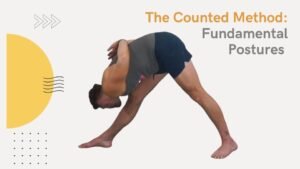
Eighty-one lessons, in the order the practice was meant to be learned, with the logic exposed. It starts where I think it always should have — with methodology and technology, what this practice actually is, mechanically, before you ever chase a shape. Then the base positions and foundational postures, which are the grammar everything else is spoken in; get those wrong and the rest is decoration on a bad footing. Then the full arc, honestly laid out: the Primary series, the Intermediate series, and the closing postures that seal the work. One complete, self-owned library you can return to for the rest of your practicing life and keep finding another layer in.
My whole conviction fits in one sentence: practice is systems literacy. Yoga is not a belief you adopt. It’s a system you learn to read and operate. And the difference between those two things is the difference between someone who needs a teacher in the room forever and someone who has become the executive of their own agency. I’m not interested in building followers. I’m interested in building operators — people who assess instead of guess, who respect the tradition and the research, who can run their own practice with their eyes open.
Picture the other version of the next year: another twelve months of doing the shapes and quietly not knowing why, of guessing at the count, of trusting that someone else is holding the map. Now picture the version where you hold it. Six months in, you can read a sequence instead of memorizing it. A year in, a beginner asks you why the closing comes last and you answer in a sentence — a true one — because you finally see how every joint, every breath, every ordering decision fits.
That’s who this is for. Not the person who wants to be told what to do. The person who wants to see how it all works. If that’s you, the whole thing lives here. I laid it all out on purpose. Come read the system, and then go operate it.