What is Pranayama?

What is Pranayama?

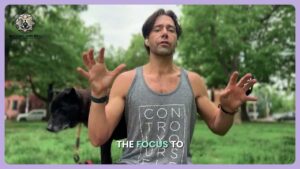
Pranayama, or breath control, is an ancient practice that is a cornerstone of many forms of yoga. The practice of pranayama is said to improve overall health through deep, mindful breathing exercises and techniques. Through its ability to strengthen the connection between the mind and body, pranayama can be used to reduce stress and tension, increase focus, increase energy, and improve general wellbeing. Though it has been practiced for thousands of years, in recent times pranayama has become more popular and accessible to the public. In this blog post, we will explore what pranayama is and how individuals can benefit from its practice.

1. Pranayama is a yogic practice that involves controlling the breath

If you’ve ever heard of pranayama and wanted to learn more, you’ve come to the right place! Pranayama is a science-based yogic practice that involves controlling the breath. By controlling the breath and the movement of prana (vital energy) through the body, pranayama helps to improve physical, mental, and emotional health. Pranayama consists of a variety of breathing exercises and postures which help to create a balance between the mind and body. Pranayama has been practiced for centuries in India and is now gaining popularity in the western world. With regular practice, pranayama can help to reduce stress, improve concentration, and lead to a more balanced and healthy lifestyle.

2. Pranayama can help to improve physical and mental health

If you’ve been looking for a science-based way to improve your physical and mental health, then you’ve likely heard of pranayama. Pranayama is an ancient yoga practice that involves controlled breathing techniques. It has been used for centuries to help improve overall well-being, but recent scientific research has shown that it can also be used to improve physical and mental health. Studies have found that regular practice of pranayama can help reduce stress, improve memory and focus, and improve physical performance. So if you’re looking for a holistic way to improve your physical and mental health, then pranayama is definitely worth a try.

3. Pranayama can lead to a more relaxed and calm state of mind

In this science-based document, we’ll take a look at the power of Pranayama, which has been used for centuries to calm the mind and body. Pranayama is a practice of controlled breathing, and studies have shown that it can help reduce stress and tension in the body, and even lead to a more relaxed and calm state of mind. Pranayama can also improve physical and mental well-being by helping to regulate our breathing and improve oxygenation of tissues. So, if you’re looking for a gentle yet effective way to reduce stress and achieve a more relaxed and peaceful state of mind, Pranayama might just be the answer you’re looking for.

4. It helps to increase concentration and focus

Pranayama is a science-based breathing exercise that has been used for centuries to promote physical and mental wellbeing. It has a range of benefits, one of which is an increase in both concentration and focus. Pranayama helps to improve concentration and focus by increasing the amount of oxygen that is taken into the body, which helps to reduce anxiety and stress levels. It also helps to increase alertness and reduce distractions, allowing us to focus on tasks more easily.

5. Practicing Pranayama can be done anywhere and anytime!

If you’re looking for a science-based practice to aid in your overall health and wellbeing, Pranayama is a great option! Pranayama, which means “breath control,” is a form of yoga that focuses on an individual’s breathing patterns. It has been touted to help manage stress, improve sleep, and even boost energy levels. The best part is that you don’t need to be in a special environment or take up a lot of time to practice Pranayama–it can be done anywhere and anytime! All you need is a comfortable spot and a few minutes to get started.

In conclusion, pranayama is an essential part of yoga as it helps to bring balance to the body, mind, and spirit. Through regular practice, we can gain control over our breathing and ultimately, our lives. Pranayama is a powerful tool to help us become more mindful and enhance our overall wellbeing. Pranayama can be practiced by anyone and is a great way to start or end the day.


Similar Posts

  • Ashtanga for Beginners

    Are you new to yoga or curious about Ashtanga’s transformative potential? Discover the profound benefits of Ashtanga yoga for beginners in our article. This practice offers an accessible entry point for those starting their yoga journey. From enhanced flexibility to mental clarity, Ashtanga empowers you to embrace a holistic approach to wellness. Dive into our article and explore why Ashtanga can be your perfect introduction to the world of yoga, bringing vitality and balance to your life. Start your journey today!

  • Managing Your Energy in Ashtnaga Yoga

    Title: Harnessing Energy in Ashtanga Yoga: From Grounding to Expansion

    —

    **Introduction to Energy Management in Ashtanga Yoga**

    Hello, hello, hello! Michael Hall here, and today I want to share some insights on managing your energy within the practice of Ashtanga Yoga. This practice transcends the physical; it’s an intricate system working harmoniously with your nervous and energetic systems. The sequence of postures is methodically designed to guide prana—your life force—through the body, balancing effort with ease and integrating activation with relaxation.

    —

    **Understanding the Primary Series**

    Each series in Ashtanga has a deliberate arc, beginning with the Primary Series. This series is all about building stability—it wrings out the body, ensuring your hips and shoulders can twist and your spine can move freely. Beyond its physicality, the Primary Series teaches you how to ground yourself, directing your prana downwards into the earth, known as Ana. This foundational grounding is crucial as it sets the stage for understanding the upward rising energies in later series.

    —

    **Exploring the Intermediate Series**

    Progressing into the Intermediate Series, the practice shifts focus to an upward energy flow. This series activates your internal awareness and internal rotations, requiring greater breath regulation and a sharper mental focus. It’s not just about moving energy up; it’s about mastering the internal aspects of your practice to cultivate an expansive, inward journey.

    —

    **Advancing to the Advanced Series**

    Carrying the principles of the previous series forward, the Advanced Series amplifies both strength and the feeling of lightness and expansion. These poses are wildly intense, demanding refined control to maintain ease amidst the challenge. This series is about finding balance through strength, enhancing your ability to manage energy in demanding postures.

    —

    **Optimizing Energy in Practice**

    Practicing multiple series calls for energy optimization, not merely endurance. Some practitioners fall into the trap of overexerting early on, leaving little energy for later postures. Effective energy management involves using your breath to contain and channel prana wisely, avoiding unnecessary leakage of effort that leads to exhaustion.

    —

    **Breath Control and Pacing**

    Maintaining a steady breath is vital, as erratic breathing can quickly drain your energy. Mastering breath control requires pacing your intensity, resisting the urge to push too early, thereby maintaining balance and ensuring consistent energy throughout your practice.

    —

    **Self-Regulation and Wise Energy Use**

    The structure of Ashtanga Yoga is self-regulating, teaching practitioners to use their energy wisely. The challenge lies not just in your physical capacity to perform each posture, but in learning to harness your energy efficiently so that your practice becomes an energizing, rather than exhausting, experience.

    —

    **Conclusion: Energizing Your Practice**

    Ultimately, the goal of energy management in Ashtanga Yoga is to leave practice feeling energized, not depleted. By understanding the arcs of each series, utilizing breath control, and pacing your intensity, you harness your energy effectively, fortifying the union of body, mind, and spirit.

    Embrace the journey of mastering your energy in Ashtanga Yoga, and transform your practice into a source of vitality and inner balance.

  • Balancing Ambition in Yoga

    Balancing Ambition in Ashtanga Yoga: A Path to True Transformation

    In this episode, we explore the allure of Ashtanga Yoga and how youthful enthusiasm for dynamic practices can evolve into a healthy ambition. Visit michaeljoelhall.com/coaching to book a session if you’d like to chat about your practice.

    00:00 Introduction to Ashtanga Yoga
    00:27 The Power and Purpose of Yoga
    00:33 The Pitfalls of Ambition in Yoga
    01:04 Balancing Ambition with Mindfulness
    01:14 Conclusion: Striving for True Transformation

  • Get Your Sanskrit On: The Language of Yoga

    As Ashtanga yoga practitioners, we are familiar with the Sanskrit names of the yoga poses, or asanas. But have you ever wondered about the origins of this ancient language and its significance in the yoga tradition? In this post, we will explore the fascinating world of Sanskrit and its connection to our practice. What is Sanskrit? Sanskrit is an ancient language that originated in India over 3,000 years ago. It is considered to be the mother of all Indo-European languages and is one of the oldest languages on Earth. The word Sanskrit itself translates to “perfected,” “polished,” or “refined.” This is because Sanskrit was developed to communicate spiritual insights and was used mainly for religious and scientific discourse. Unique Qualities of Sanskrit Sanskrit is a…

Notes from the field

No notes yet · members & customers welcome

  1. No notes yet. Be the first to leave one.

Leave a note

Want more? (optional — commenting alone never subscribes you)
Comments are for members & customers. We’ll email a one-tap link to confirm it’s you.