Understanding Hip Joint Flexion: PAILS & RAILS Techniques Explained
Understanding Hip Joint Flexion: PAILS & RAILS Techniques Explained
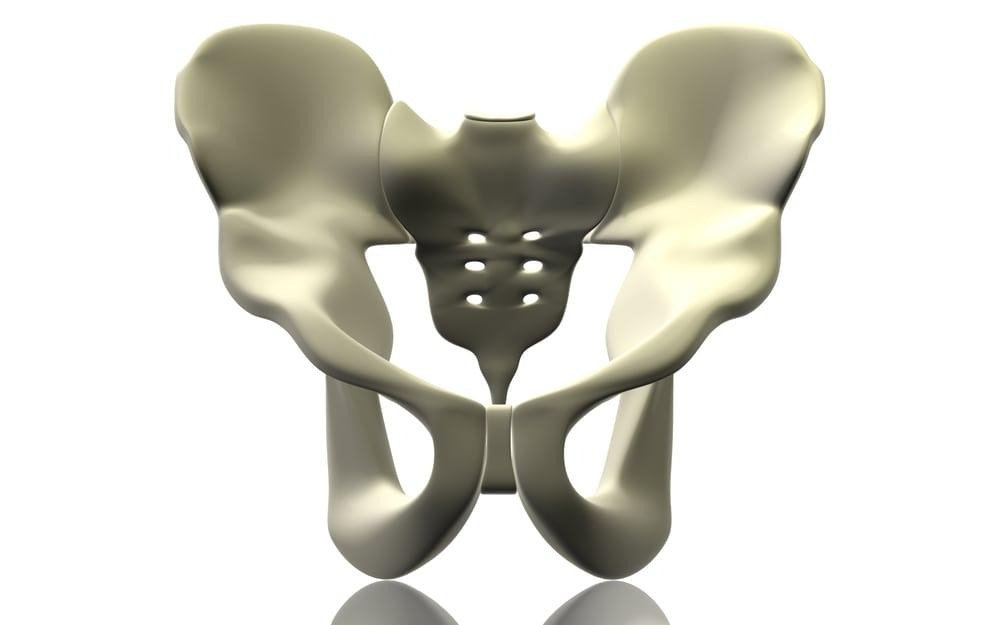
Hip joint flexion is a crucial movement in many yoga practices, including Ashtanga. Enhancing this range of motion can improve your performance on the mat and contribute to overall mobility. One effective method for developing this flexibility involves using PAILS and RAILS techniques.
What Are PAILS and RAILS?
PAILS stands for “Progressive Angular Isometric Loading,” while RAILS means “Regressive Angular Isometric Loading.” Both techniques are rooted in Functional Range Conditioning (FRC), which focuses on improving articular strength and mobility.
How PAILS Works
PAILS trains your muscles to strengthen in the end ranges of motion. For hip flexion, you engage the muscle while pushing into a resistance. You might use a strap or your own body weight to create this resistance. The key is to gradually increase force over time, allowing the muscle to adapt. This process can help unlock deeper ranges of motion.
How RAILS Works
RAILS, on the other hand, emphasizes the control of movement as you transition out of a stretch. In this case, you relax into the new range after performing PAILS. Then, you actively contract the opposing muscle groups to pull yourself deeper into the stretch. This contraction assists in building control within that new range of motion.
Practical Application
To integrate these techniques into your practice:
-
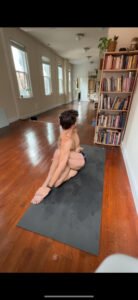
Find a Comfortable Position: Locate a position that allows you to access your hip flexors safely. This could be sitting on the ground with legs extended or using a wall for support.
-
Engage in PAILS: Start by gently pushing against a resistance. For example, if sitting, press your knee upward against your hands or a strap. Hold for about 10-15 seconds, gradually increasing pressure each time.
-
Transition to RAILS: After completing your PAILS phase, relax into your current range. Next, focus on drawing your knee toward your chest or the floor, activating the opposing muscle group. Hold this position for another 10-15 seconds.
-
Repeat: Aim for several sets of each technique. This repetition will help solidify the new range and reinforce muscular control.
Why It Matters
Improved hip flexion translates directly to more effective movements in yoga. Whether you’re transitioning between poses or holding challenging positions, greater flexibility provides stability.
Moreover, engaging in PAILS and RAILS can have broader implications. Think about how improved hip flexibility can influence your daily activities, from walking to sitting at your desk. Increased mobility contributes to better posture and reduces the risk of injury.
Explore More Techniques
For more detailed instructions and visual guidance, check out this resource.
You may find these videos helpful for additional clarity:
- Hip Joint Flexion PAILS
- Hip Joint Flexion RAILS
- Combining PAILS and RAILS
- Practical Applications of PAILS and RAILS
Integrating PAILS and RAILS into your routine can lead to noticeable improvements in your practice. It’s a straightforward yet powerful way to enhance your understanding and execution of hip joint flexion. Keep practicing, and you’ll likely see the benefits unfold both on and off the mat.