Yoga with MJH
This is an introduction to the Functional Ashtanga Yoga Training Program

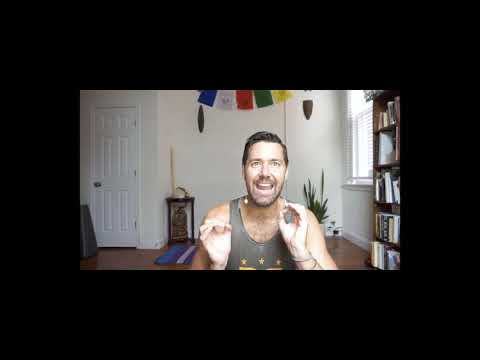
This is an introduction to the Functional Ashtanga Yoga Training Program

The books that change your practice aren’t always the ones everyone mentions—they’re the ones that make philosophy feel like practice.
Someone on Reddit asked where to start learning about yoga philosophy. Simple question. Deep rabbit hole. In a Tech Support post on Ashtanga.tech, we mapped the territory—books that actually deliver, not just the ones everyone mentions because they’re supposed to. There’s a difference. The reading list below isn’t exhaustive. It’s curated. These are the books that keep showing up in studios, on bedside tables, in the hands of teachers who’ve been at this for decades. They’re the ones that don’t just explain yoga—they change how you practice it.
—
Read the full article: https://theyoga.club/the-reading-list-that-actually-matters/
Original source: https://ashtanga.tech/tech-support/books-to-learn-more-about-the-philosphy-of-yoga/
All content: https://mjh.yoga
Concepts: Yoga Sutras · Pratyahara · Samadhi · Svadhyaya
#ashtanga #yoga #ashtangayoga #yogapractice #theyogaclub

This is a video about Beginner Friendly Approaches to building a lifelong Ashtanga Yoga practice. Visit michaeljoelhall.com/coaching to book a session if you’d like to chat about your practice.
00:00 Debunking Ashtanga Yoga Myths
00:19 Challenges for Beginners
00:33 Creating a Sustainable Practice
00:53 Introducing Modifications
01:16 Psychological Barriers
01:46 Ensuring Long-Term Engagement
02:04 Welcoming New Practitioners
02:14 Conclusion: Shifting Our Approach
There’s something odd about a Mysore room. No blaring playlists. No teacher on a headset shouting “FIND YOUR INNER FIRE!” Just a bunch of sweaty people breathing like Darth Vader and bending like origami — all in near silence. It looks calm. It’s not. Underneath that still surface? Pure chaos, transformation, and the occasional emotional meltdown masked as a backbend. And weirdest of all? When one person has a breakthrough — sticks a jump-back, drops into kapo, or finally breathes through their existential dread in supta kurmasana — it somehow lifts everyone. Welcome to the group project you didn’t know you signed up for: The Collective Energy Field™ — where your personal practice is apparently everybody’s business. I. The Science of Collective Energy (or, Why…
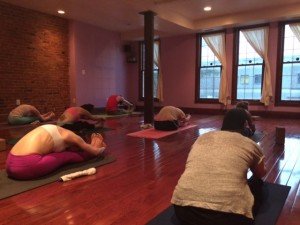
Over the last few years, I’ve received all sorts of questions about the type of yoga I practice and teach. Since before my last trip to India, I’ve been teaching Sunday-Friday at Kali Yoga Studio in Columbia Heights in a traditional format called “Mysore Style” Ashtanga Vinyasa Yoga. We call this program “DC Ashtanga.” In my experience of both practicing and teaching, I have come across no system of yoga more effective, exacting, or straight-up powerful as Ashtanga Vinyasa Yoga as it’s taught in Mysore. Right now, we have a $45-two week get-started special that will help new practitioners get their feet off the ground and flying high. Like sugar’s taste, its hard to explain, easy to experience. (and pretty darn sweet) Without further ado:…
There’s something odd about a Mysore room. No blaring playlists. No teacher on a headset shouting “FIND YOUR INNER FIRE!” Just a bunch of sweaty people breathing like Darth Vader and bending like origami — all in near silence. It looks calm. It’s not. Underneath that still surface? Pure chaos, transformation, and the occasional emotional meltdown masked as a backbend. And weirdest of all? When one person has a breakthrough — sticks a jump-back, drops into kapo, or finally breathes through their existential dread in supta kurmasana — it somehow lifts everyone. Welcome to the group project you didn’t know you signed up for: The Collective Energy Field™ — where your personal practice is apparently everybody’s business. I. The Science of Collective Energy (or, Why…

Why is preserving bindu crucial for a thriving yoga practice? Discover the hidden gem of Hatha Yoga Pradipika—bindu, a vital essence linked to longevity and spiritual growth. Delve into techniques like Mudras and Bandhas that prevent its loss, enabling spiritual and physical transformations. Don’t miss out on this enlightening discussion that brings esoteric concepts into tangible reality! #YogaPractice #BinduPreservation #LongevitySecrets
In this video, we explore the unique concept of bindu, a life-sustaining fluid that holds the key to overcoming mortality and enhancing spiritual journeys. From verse 87 to 88, uncover how the safeguarding of bindu offers protection against aging and even harmful elements. Join us as we elevate our understanding of yoga’s sacred texts and its promises. Watch now to discover the inherent power of bindu in achieving spiritual enlightenment and physical vitality.
No notes yet · members & customers welcome
Michael Joel Hall’s daily reading — the field journal, critical-thinking cards, and synthesis — as a membership.
$5.50/month · cancel anytime
Join — $5.50/mo →Secure checkout on theyoga.club. A yearly option ($55) is available there too.