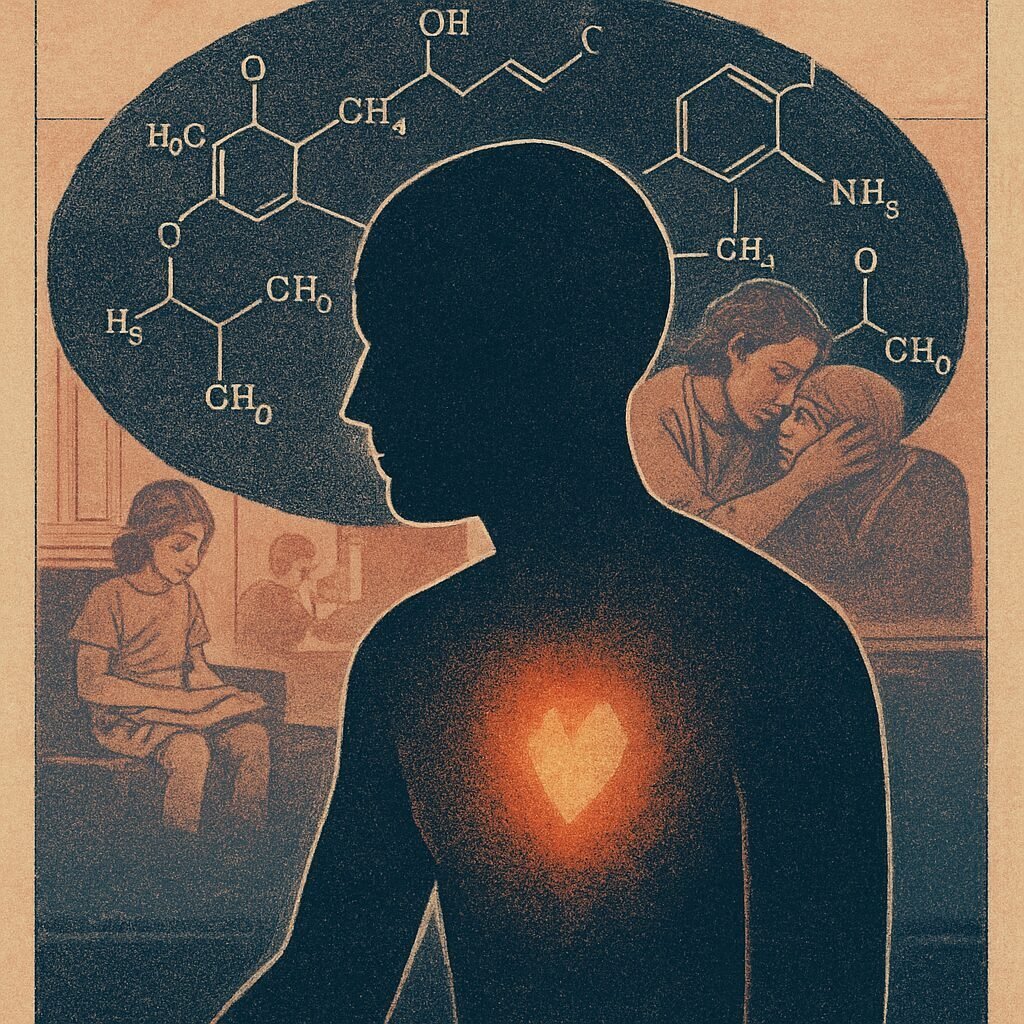
Capacity Isn’t Character
Rachel had been practicing eleven years when she hurt her shoulder. Doctor said no advanced poses for six weeks. Standing postures. Sun salutations. Basics.
She came back to the mat and cried for three days.
Not from pain. The pain was manageable. She cried because she didn’t know who she was without the poses she’d built her practice around. The backbends. The arm balances. The shapes she’d spent years earning.
That’s the trap. Not the injury. The identity.
She’d turned what she could do into what she was. When the doing was interrupted, there was nothing underneath it.
The body doesn’t stay stable. Capacity doesn’t stay stable. What you can do on a given morning depends on sleep, stress, age, inflammation, whether you’re grieving, what season you’re in. Your practice in November isn’t your practice in July. The version of you that lands a deep backbend today may not land it again for months.
None of that is failure. That’s just how bodies work.
The problem is when we treat a pose we currently do as something we are. “Advanced practitioner” starts as a description and hardens into an identity. Then an injury, or an aging body, or a new teacher who adds ten postures you can’t do yet — any of these becomes not just a challenge but an existential threat.
Rachel wasn’t grieving her shoulder. She was grieving a self that had never been as solid as she thought.
The yoga texts call this avidya — mistaking what’s impermanent for what’s essential. Seeing the non-self as self. It sounds abstract until you’re the one who can’t do the thing that used to define you.
The tell is in how you talk about it. “I am an advanced practitioner” is different from “I’m currently working at an advanced level.” The second one leaves room for what’s actually true: conditions change, capacity fluctuates, and you’re in a relationship with your practice, not fused to it.
This matters practically. If your identity is the shape, then every time you can’t make the shape — tired morning, aging joints, off day — you’ve lost something about yourself. That’s a lot of existential weight for a Tuesday.
If your identity is the practice, the showing up, the consistency of attention — that part doesn’t get interrupted by a shoulder injury. That part compounds.
The correction isn’t complicated. When you notice yourself saying “I can’t do this anymore” and hearing it as a verdict on who you are, that’s the signal. It’s a weather report, not a character assessment. The pose is a condition you can or can’t meet right now. You’re not the condition.
Rachel came back to her full practice. Slower than she wanted. Different than before. The injury had taught her something eleven years of competent practice hadn’t: the poses she could do weren’t the point. The practice was the point. The showing up was the point.
She said she wished she’d known that earlier.
I said: you couldn’t have. You had to lose the identity to see it wasn’t what you were.
You are not your poses. You never were. What you are is the one who keeps showing up — and that part doesn’t get injured.