Regenerating Trust in Local Communities After Toxicity

What happens when charismatic teachers extract value from communities and leave? How do we rebuild after the damage is done?

This is about the hard work of regeneration—in yoga communities, in local spaces, and in ourselves. It’s about the difference between extraction and cultivation, between building a following and building an ecosystem.

In this video:
• Why charismatic “dirt bags” wreck communities and leave others to clean up the mess
• The downstream effects of toxic yoga culture and multi-level marketing dynamics
• What it means to commit to place and do the unglamorous work of regeneration
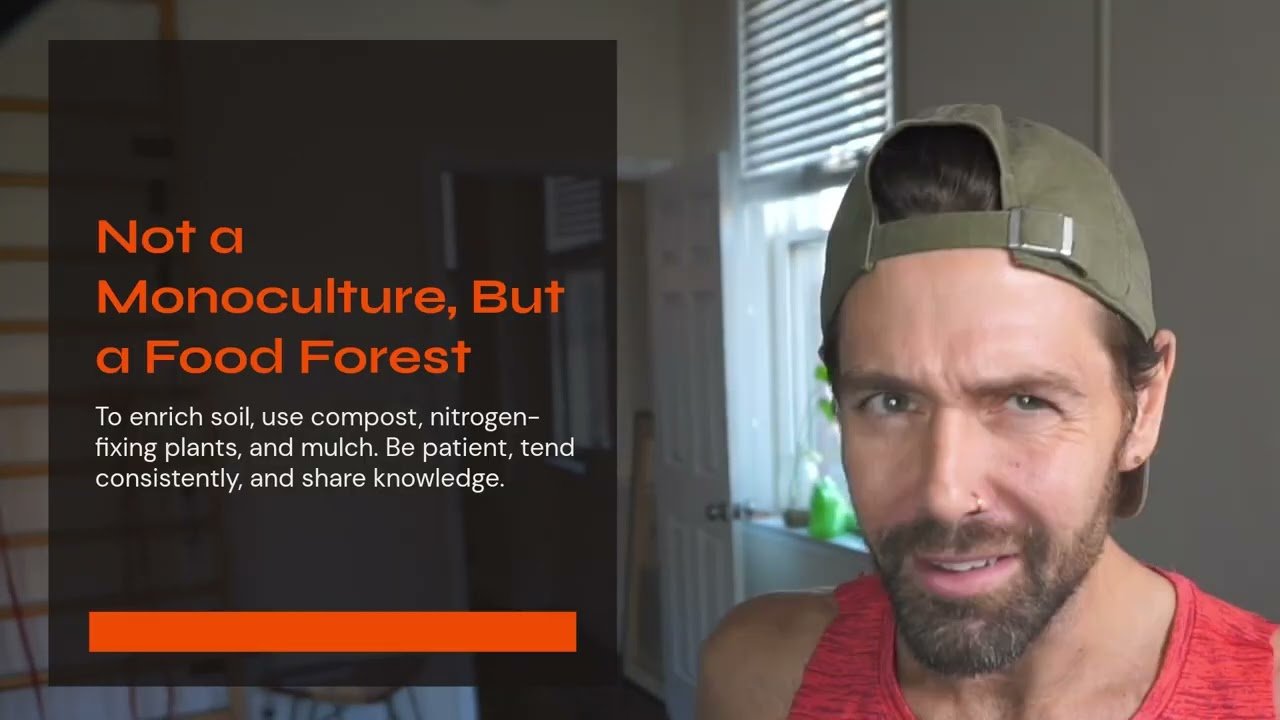
• How my teacher turned barren land in Ecuador into a thriving cacao forest—and what that teaches us about community building
• The difference between systems thinking and linear thinking when addressing harm
• Why local matters: serving the same community for years instead of chasing platforms
• What real success looks like (hint: it’s not follower counts)
• A note about anger—and why channeling rage into regenerative work matters

This isn’t abstract philosophy. It’s documentation of how to build communities that survive extraction, drawn from years of teaching Ashtanga yoga in Washington DC and watching what happens when authority figures abuse their power and leave.

If you’re tired of watching charismatic individuals burn through communities, if you’re doing the quiet work of tending your local space, if you’re angry about extraction being rewarded while regeneration goes unnoticed—this is for you.

The work is slower. Quieter. Less glamorous. And it’s worth it.

Based on concepts from my book “Collider” about building resilient yoga communities through systems thinking.

YogaCommunity #AshtangaYoga #CommunityBuilding #SystemsThinking #RegenerativeWork #YogaTeacher #LocalMatters #YogaCulture

00:00 Regenerating Land After Charismatic Dirt Bags
00:57 The Problem: Charismatic Dirt Bags Wreck the Land
02:37 The Downstream Effect
05:08 Local Matters
07:06 The Cacao: Why It Matters
07:58 Building the Ecosystem
09:27 Surviving Extraction
10:12 Systems Thinking
11:02 The Risks and Rewards
12:12 What Success Looks Like
12:36 A Note About Anger
14:02 Channeling Rage Towards Regeneration


Similar Posts

  • Time and Lifestyle Adaptations

    This is a video about How Ashtanga Yoga Impacts Our Time and Lifestyle– and how they impact our practice. Visit michaeljoelhall.com/coaching to book a session if you’d like to chat about your practice.

    00:00 Introduction: Overachievers and Unrealistic Expectations
    00:15 Challenges of Traditional Ashtanga Yoga
    00:48 Adapting Yoga for Modern Life
    01:56 Flexible Approach to Yoga Practice
    02:09 Redefining Progress in Yoga
    02:42 Conclusion: Integrating Yoga into Real Life

  • Jungle Physicians and Insight Through Ancient Wisdom and Modern Practice

    In an age of relentless distraction, the quest for insight—that deep, intuitive understanding of ourselves and our place in the world—has never been more urgent. We seek clarity in a sea of information, purpose in a world of fleeting trends, and connection in an era of digital isolation. The answers, as a series of profound questions suggest, may not lie in the latest technology, but in the timeless wisdom of ancient traditions and the rigorous discipline of practices designed to turn our awareness inward. By exploring indigenous ways of knowing, the offerings of wisdom traditions, the nature of consciousness-altering states, and the cultural calls for awareness, we can chart a course toward a more insightful existence. At the center of this journey lies Ashtanga yoga,…

  • What’s one piece of advice you’d give to your past-self when you first started yoga?

    This is Ashtanga Yoga Tech Support. Real questions from the yoga community, answered. The Question Mine would be that it doesn't matter if you're not flexible for all poses, most if not all of them can be modified. submitted by /u/YogaGoApp — via r/ashtanga Our Response The OP's answer is great — flexibility doesn't matter, most poses can be modified. That's true. But my advice to past-me would be different. Stop trying to be good at it. I spent years treating practice like a performance review. Every morning I'd roll out my mat and grade myself.

    Read more: https://ashtanga.tech/tech-support/whats-one-piece-of-advice-youd-give-to-your-past-self-when-you-first-started-yoga/
    All content: https://mjh.yoga

    #ashtanga #yoga #ashtangayoga #techsupport #ashtangatech

  • Power Dynamics in Mysore Style Ashtanga Yoga

    This is a video about Power Dynamics in Mysore Style Ashtanga Yoga. Reach out if you want some coaching for you practice. https://michaeljoelhall.com/coaching

    00:00 Introduction to Shifting Power Dynamics in Ashtanga Yoga
    00:06 The Guru-Disciple Model of the Past
    00:23 The Rise of Critical Engagement
    00:40 The Need for Autonomy and Self-Organization
    00:57 Reckoning with Past and Present Abuses
    01:07 Empowering Students in Modern Practice
    01:20 Evolving Authority into Responsibility
    01:30 Building a Partnership in Teacher-Student Relationships
    01:39 Moving Forward: Mutual Respect and Earned Trust

  • Props and Assistance

    This is a video about Props and Assistance in Ashtanga Yoga.

    00:00 Introduction: The Stigma Around Props
    00:15 Reevaluating Props: Tools for Adaptation
    00:31 The Evolution of Practice
    00:39 Benefits of Props in Yoga
    00:55 Intelligent Engagement with Props
    01:07 Assistance and Adjustments in Practice
    01:37 Embracing an Evolving System
    01:53 Conclusion: The Future of Ashtanga Yoga

  • Reimagining Ashtanga Community Leadership

    Introduction For nearly two decades, I’ve witnessed the profound impact that leadership styles have on yoga communities. As both student and teacher in the Ashtanga tradition, I’ve experienced firsthand how the decisions, behaviors, and communication patterns of those in positions of authority shape not just the technical transmission of the practice, but the very culture in which we learn and grow. When I first began teaching Ashtanga yoga over 10 years ago, I consciously and unconsciously replicated the leadership models I had experienced. Some of these served our community well; others perpetuated patterns that limited growth and authentic connection. Like many teachers, I found myself caught between reverence for tradition and the practical reality that our understanding of both human movement and effective teaching continues…

Notes from the field

No notes yet · members & customers welcome

  1. No notes yet. Be the first to leave one.

Leave a note

Want more? (optional — commenting alone never subscribes you)
Comments are for members & customers. We’ll email a one-tap link to confirm it’s you.