
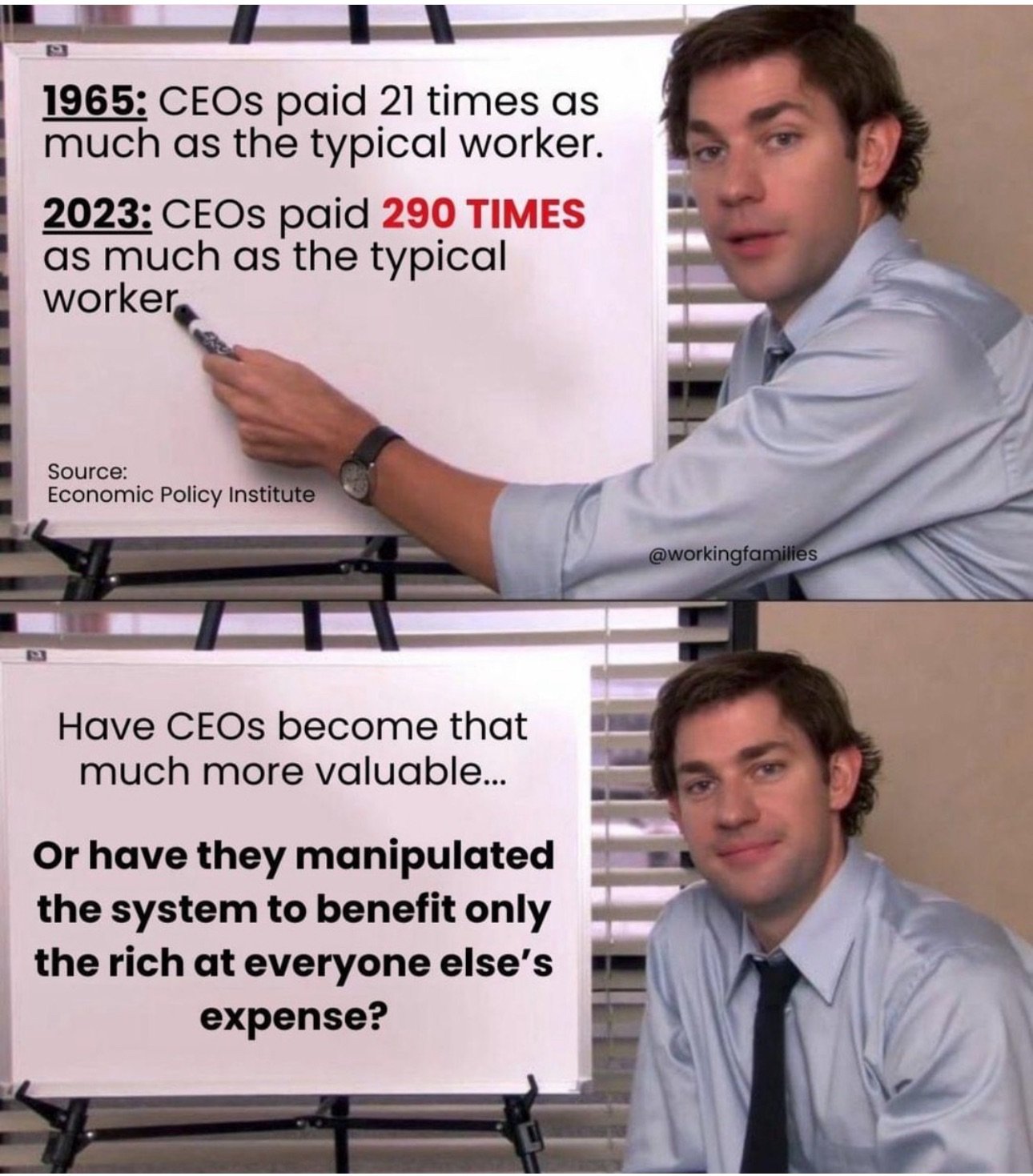
What I Mean When I Say “More Equitable Models“
To maintain equity for yoga teachers, compensation should vary based on whether the teacher is classified as an employee or an independent contractor, taking into account the responsibilities, expectations, and benefits associated with each role:
1. Employee Compensation Model
- Base Salary or Hourly Pay: Teachers who are employees should receive a guaranteed base salary or hourly rate for the classes they teach, ensuring a stable and predictable income. This pay structure should reflect the number of hours spent preparing for classes, actual teaching time, as well as additional time dedicated to attending meetings, training, or engaging in community-building activities. Presuming that there are no benefits packages of any kind set up, a teacher will need to pull in almost $2000 a week to cover their family of 4 in 2024 (100k pre-tax). Presuming that the teacher is teaching 3 classes a day, 5 days a week, each class needs to be $125, pre-tax. This should require 2 hours of the teachers time, at $62.50 an hour, not per class.
- Benefits Package: Employees should receive traditional benefits, including health insurance, paid time off, sick leave, and possibly a retirement plan, such as a 401(k) match. This adds a significant value to the overall compensation package.
- Paid Preparation Time: Employees should be paid for the time they spend preparing sequences, creating syllabi, and organizing classes, as this is integral to delivering quality teaching. This means that each class should be considered 2 hours for every hours— 1/2 hour if prep before snd after.
- Professional Development: Studios should provide support for continued education, such as paid training sessions or stipends for certifications, to foster career growth and increase the overall value a teacher can offer. This is essential for a learning organization that is interested in professionals developing and supporting more than hobbyists. If a teacher comes in with their professional development at a high-level, their pay should reflect it. For teachers working with 20 years of experience, they should be making the money that reflects their time and effort.
2. Independent Contractor Compensation Model
- Higher Class Rates: Since contractors do not receive benefits or paid time off, they should be compensated at a higher rate per class to account for these missing elements. The per-class rate needs to reflect the totality of their work, including preparation, travel time, and self-employment taxes.
- Revenue Sharing: Independent contractors could negotiate revenue-sharing models for special events like workshops, retreats, or private sessions. This way, they receive a percentage of the profits rather than just a flat fee, incentivizing them to bring their unique audience and creativity to the offerings.
- Autonomy in Pricing: Contractors should have the ability to set their own pricing for additional services, such as private lessons or specialized workshops, allowing them to determine the value of their expertise. This autonomy can help contractors achieve a level of income that reflects the demand for their particular skills and experience.
- Control Over Schedule and Offerings: Contractors should have the freedom to choose when and what they teach. This flexibility, combined with the ability to teach at multiple studios or venues, gives them the opportunity to maximize their earnings and diversify their income streams.
3. Additional Considerations to Ensure Equity
- Transparent Pay Scales: Whether teachers are employees or contractors, studios should implement transparent pay scales that account for experience, specialization, and seniority. More experienced teachers or those with niche skills should be paid at a higher rate, reflecting their expertise.
- Fair Compensation for Non-Teaching Work: For both employees and contractors, any additional work—such as administrative tasks, marketing, or unpaid labor like cleaning—should be explicitly compensated. Expecting teachers to perform these tasks without pay devalues their role and reduces overall equity.
4. Hybrid Compensation Models
- Class Rate Plus Commission: Another approach could be a base rate per class plus a commission based on attendance or revenue. This would apply to both employees and contractors, ensuring that teachers are motivated to deliver quality classes that attract students while also maintaining a stable base income.
- Profit Sharing for Long-Term Teachers: Teachers who have been with a studio for an extended period could be offered profit-sharing opportunities, allowing them to benefit from the growth they help bring to the studio. This aligns the long-term interests of both the teachers and the studio.
Maintaining equity in compensation ultimately means recognizing the different responsibilities and benefits associated with each role—employee or contractor—and adjusting pay accordingly to ensure teachers are supported, valued, and able to sustain their livelihood. It also requires open communication and transparency so that teachers understand what they are being compensated for and have the opportunity to advocate for fair treatment.