Cognition Is Navigation
Two very different books argue the same thing: if you don’t know where you are, you don’t know who you are.

Two very different books argue the same thing: if you don’t know where you are, you don’t know who you are.

This is Ashtanga Yoga Tech Support. Real questions from the yoga community, answered. The Question submitted by /u/Which-Acanthisitta24 — via r/yoga Our Response Yeah. That's going to happen for a while. Savasana is stillness. And stillness is where grief lives. When you're moving through postures, you've got something to do — breathe here, reach there, balance. Your body is occupied. Then you lie down and there's nothing between you and whatever you're carrying. Of course you cried. That's not a problem with your practice. That is your practice.
—
Read more: https://ashtanga.tech/tech-support/first-time-back-at-yoga-since-my-father-passed-away-last-week-and-savasana-was-so-difficult-it-used-to-be-my-favorite-part-of-class-today-i-just-cried-thru-it-anyone-relate/
All content: https://mjh.yoga
#ashtanga #yoga #ashtangayoga #techsupport #ashtangatech

Choose funeral options with transparency and local care—prioritize honest data, ecosystem impact, and rituals that serve grief over glossy promises.
We love a redemptive ending. The body returns to soil, a tree grows from the grave, death becomes compost. Green funerals promise exactly this: natural burials, human composting, alkaline hydrolysis, even those biodegradable pods that turn you into a sapling. It’s beautiful. It’s also complicated. Hannah Gould and Georgina Robinson wrote something sharp about this in Aeon. They’re not against ecological burial—they’re against the way it gets sold. The marketing is sleek. The data is often thin. Some of these technologies are still aspirational, others oversimplify genuine trade-offs.
—
Read the full article: https://theyoga.club/how-to-become-a-tree-what-green-funerals-promise-and-whats-missing/
All content: https://mjh.yoga
Concepts: Anicca · Pratityasamutpada · Aparigraha · Satya
#ashtanga #yoga #ashtangayoga #yogapractice #theyogaclub
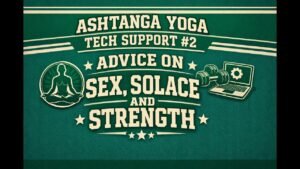
Welcome back to Tech Support Tuesday. Each week, I pull questions from the yoga corners of Reddit and answer them on video. This week’s session covers three questions — grief on the mat, yoga’s quieter effects on intimacy, and whether this practice can actually change your body.
visit ashtanga.tech to learn more!
visit theyoga.club for more yoga!
visit mjh.yoga for more from Michael Joel Hall!
🕊️ Navigating Grief in Yoga Practice
One listener returned to yoga to find solace after their father passed away. During Shavasana, the tears flowed. That’s not a problem with your practice — that is your practice. Shavasana holds power in its stillness. When you’re moving through postures, your body and mind are occupied. Lying down removes those distractions and lays bare whatever you’re carrying.
Crying on the mat is bearing witness. Your body has been waiting for you to stop, to allow for rest. Shavasana may have been the first time you gave it that chance.
☯️ Permission to Grieve and Move Forward
If Shavasana feels too overwhelming, it’s okay to skip it occasionally. The first rule is do no harm. The yoga mat is one of the few places where you don’t need to explain yourself — nor should you judge yourself. Communicate with your teacher if necessary. Your journey on the mat is deeply personal, and sometimes laying still and letting emotions flow is the whole point.
Going back to practice after a week? That says something about you. A lot of people wouldn’t. Don’t rush. You’ve got time.
🌟 Transforming Physical and Emotional Landscapes
Another question explores yoga’s impact on intimacy. The physical stuff is obvious — stamina improves, you’re stronger, more flexible in every sense. Ujjayi breathing coordinates your nervous system. You learn to down-regulate on demand, and that means you’re actually present with your partner instead of stuck in your head.
But the bigger shift is subtler. Ashtanga trains you to stay present with intense sensation without reacting to it. To breathe through discomfort. To notice what’s happening in your body without narrating it. These are transferable skills. When you stop bracing against your own body, everything changes — including intimacy.
⚖️ Beyond Aesthetic Goals
Can yoga tone your body? Sure. Ashtanga will absolutely change your body composition — you’re holding your own weight in ways that build lean, functional muscle. Sun salutations are progressions of a push-up. Your arms, core, and legs will all get worked.
But here’s the thing. Once you start practicing, you’ll probably notice something shift. You stop caring as much about what your body looks like and start caring about what it can do. Santosha — contentment — changes how you show up in every physical relationship. Self-love looks good on everyone.
✨ The Side Effects Are the Point
Start with what hurts — anxiety, back pain, whatever brought you here. The toning, the calm, the adamantine body the Yoga Sutra talks about? Those are side effects. Remarkable ones. But side effects nonetheless.
That’s Tech Support Tuesday #2. Three questions. Grief, connection, and what your body is actually for. Bring yours next week.
00:00 The Question
00:21 Why Shavasana Is Hard
00:49 Your Practice Is Working
01:10 The Grief Will Change
01:51 Permission to Grieve
02:41 Moving Forward
03:16 The Question
03:37 Physical Benefits
04:00 Presence & Breathwork
04:45 Body Acceptance
05:10 Connection & Self-Love
05:38 The Question
05:58 Posture & Spine Health
06:41 Anxiety & Flow State
07:28 Pain Relief
07:42 Body Composition & Strength
08:19 Beyond Aesthetics
09:08 The Takeaway

Every week, Michael Joel Hall weaves together questions about transformation and who gets to authorize it — from Ashtanga yoga teacher-authorization to AI consciousness, eco-death marketing, and the power of the count.
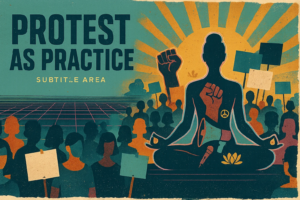
Protest as Practice Have you noticed how diverse our community is? I’m not gonna lie… it brings me so much joy. So many races, countires of origin, sexual identities, and ages– all practicing in one spot. Straight dudes, Fem Dykes, Catholics, Central American Mystics, and one MJH– fuck yo’ pokemon, we got ’em all. 😉 This weekend, we’re hosting sign-making at the studio ahead of the No Kings protest in DC. Members are invited for self-practice and to prepare signs if they’d like. Come for prax, stay for signs. Many in our community cannot protest due to fear of deportation. Phones are no longer safe to use at these events without being tracked. Be aware of your rights—this is important information.This announcement might seem simple, but…
Said bye bye after a wisdom building winter

Teaching yoga is a profound and fulfilling vocation, yet the weight of responsibility can lead to burnout if we’re not mindful. As Jason Crandell reminds us, the journey is not for the faint-hearted, with challenges such as compassion fatigue, financial worries, and the isolation that can come with the role.
In this blog, we’ll explore essential strategies for self-care that will not only help you recognize the signs of burnout but also empower you to take proactive steps towards healing. From nurturing your personal practice to prioritizing rest and connection, discover how you can align your expectations and embrace the journey of teaching without sacrificing your well-being.
Join us as we dive into effective self-care techniques designed to rejuvenate your spirit and enhance your teaching capacity—because self-care isn’t just a luxury; it’s a necessity that allows you to shine brighter for your students. Embrace the process and remember, when you prioritize yourself, you elevate your entire practice.