Handstand Mega Guide and More

When external systems collapse, the practice becomes meeting what’s actually happening instead of clinging to what was promised

Guys! Let’s start with a BONUS issue focused on handstand, right HERE! Functional Ashtanga Range Conditioning- Handstand A handstand is a line. That’s it. Spine, shoulders, wrists, hips — all stacked. The hard part isn’t strength. It’s that every joint in the chain needs enough range to get there, and most of us are short somewhere. This is the Functional Range Conditioning approach to building one. 🦴 The Big Questions Three joints run the show.

—
Read the full article: https://theyoga.club/when-systems-stop-working-as-promised/
All content: https://mjh.yoga

Concepts: Avidya · Shavasana · Tapas · Viveka

#ashtanga #yoga #ashtangayoga #yogapractice #theyogaclub

Similar Posts

  • Kiss of the Spider Woman: Ashtanga, Authoritarianism and Art

    Michael Joel Hall recounts his visit to the Gala Theater in Columbia Heights to watch a Spanish production of ‘Kiss of the Spider Woman.’ He reflects on the themes of deception, honesty, and betrayal within the play and draws parallels to his experiences in the federal government, nonprofits, and his Ashtanga yoga community. Hall discusses the damaging impact of small betrayals by well-meaning but mediocre people in positions of power and stresses the importance of radical honesty as a countermeasure to authoritarian tendencies. He concludes by highlighting the importance of integrity in maintaining the spiritual health of a community.

    00:00 Kiss of the Spider Woman
    00:21 The Play: Kiss of the Spider Woman
    00:43 Themes of Deception and Betrayal
    03:25 Personal Reflections and Broader Implications
    06:56 Conclusion: Honesty and Community

  • Stop Making Ashtanga a Cult! Part 2: Strategies

    Michael Joel Hall discusses his intervention strategies to address unhealthy group dynamics in Ashtanga Yoga practice. He emphasizes the need for critical thinking, encouraging student autonomy, and fostering an open, transparent, and inclusive environment. Hall advocates for a student-centric approach, prompting open dialogue, respecting individual choices, and avoiding hierarchical or dogmatic practices. He stresses the importance of evidence-based teaching, open leadership, and peer support. Hall highlights the necessity of maintaining ethical standards, respecting personal autonomy, and fostering genuine community connections without creating high-pressure commitments or abusive dynamics. The script underscores the significance of maintaining integrity, transparency, and community well-being in yoga teaching and leadership.

    00:00 Introduction and Purpose
    00:01 Addressing Unhealthy Group Dynamics
    01:15 Critical Thinking in Yoga Practice
    01:40 Encouraging Student Independence
    02:26 Building Trust and Normalizing Doubt
    02:57 Grounding Practice in Biomechanics
    04:57 Fostering Democratic Leadership
    05:40 Being Open to Oversight
    07:00 Respecting Personal Choices
    07:28 Avoiding Dogmatic Views
    07:44 Promoting Inclusivity and Accessibility
    08:36 Equal Standards and No Inner Circles
    09:26 Transparency and Ethical Standards
    18:10 Authentic Relationships Beyond Yoga
    18:58 Financial Transparency and Community Support
    19:44 Avoiding Abuse and Humiliation
    21:17 Ethical Mentorship and Equity
    23:13 Maintaining Integrity and Being Yourself
    26:10 Community Membership as a Practice
    26:51 Transparency in Teaching and Learning
    28:56 Data-Driven Success and Community Impact
    29:38 Personal Challenges and Community Support
    30:10 Long-Term Practice and Growth
    30:27 Adapting and Innovating in Yoga
    30:58 Conclusion and Farewell

  • Stop Making Ashtanga a Cult! Part 1: The Problem

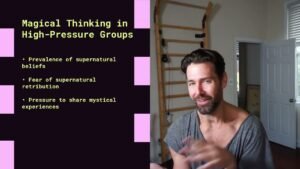
    Michael Joel Hall offers a different approach to Ashtanga Yoga grounded in humanist values, personal agency, and inclusivity, rather than dogma or hierarchy. Inspired by Dr. Anastasia Somerville Wong’s work on non-religious pastoral support, Hall emphasizes creating a supportive community that encourages critical thinking, personal experience, and mutual care. Hall outlines signs of high-pressure, cult-like communities, such as suppression of critical thought, encouragement of self-doubt, prevalence of magical thinking, authoritarian leadership, non-accountability, excessive and intrusive rules, and financial and sexual exploitation. He contrasts these with healthy community traits like open discussion, personal autonomy, and ethical integrity. Hall’s philosophy aims to decentralize power, foster critical thinking, and honor each practitioner’s unique journey.

    00:00 Introduction and Setup
    01:44 Critical Thought in Healthy Groups
    04:20 Encouraging Self-Esteem
    05:42 Magical Thinking in Cults
    07:26 Reason and Evidence-Based Approach
    07:56 Charismatic Leaders and Special Knowledge
    10:38 Authoritarian Leadership
    11:46 Accountable vs. Authoritarian Leaders
    13:11 Leaders Above the Law
    14:25 Draconian and Intrusive Rules
    17:08 Censorship and Control of Information
    18:23 Elitism and Inner Circles
    19:31 Threats to Those Who Leave
    19:48 Financial and Physical Penalties
    20:28 Respect vs. Shunning
    21:33 Slander and Vilification of Outsiders
    21:45 Us vs. Them Mentality in Yoga Communities
    22:26 Spotting Negative Group Dynamics
    23:13 Isolation from Outside Relationships
    24:20 Group Identity vs. Individual Identity
    26:05 Secrecy and Elitism in Groups
    26:51 Negative Group Rituals and Punishment
    27:23 Transparency vs. Secrecy
    27:34 Mind-Altering Practices and Conformity
    28:22 Managing Expectations and Consent
    29:38 Shame, Guilt, and Fear in Group Control
    30:31 Supportive vs. Controlling Environments
    30:51 Obsessive Loyalty and Critical Thinking
    32:30 Recruitment and Growth Obsession
    33:55 Genuine Community vs. Aggressive Recruitment
    34:55 Love Bombing and Idealistic Goals
    36:42 Financial Exploitation in Groups
    39:16 Punitive Punishment and Abuse
    41:56 Sexual Exploitation in High-Pressure Groups
    44:03 Gender Equality vs. Gender Control
    45:29 Gossip and Community Safety
    46:15 Normalization of Deception
    46:40 Justifying Bad Behavior for Group’s Sake
    47:03 Real Integrity and Ethical Standards
    47:17 Values and Honesty in Tough Times
    47:27 Maintaining High Ethical Standards

  • Dismantling Authoritarianism with Ashtanga Yoga: Power, Practice, Justice

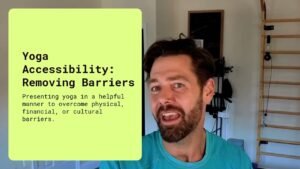
    In this video, we unbox the concept of decolonizing your yoga practice by removing authoritarianism and emphasizing self-study. This episode covers the cultural context of Ashtanga Yoga, the impact of colonialism and capitalism in shaping Western yoga practices, and the need for open-source teaching. Michael discusses historical gender biases, the guru-student power dynamic, and the issues of gatekeeping and groupthink in yoga communities. Learn about the importance of making yoga accessible and fostering community-centered approaches while balancing tradition with the evolution of Ashtanga Yoga. Discover how decommodification and recognizing inner intelligence can lead to true liberation in your practice.

    00:00 Dismantling Authoritarianism with Ashtanga Yoga: Power, Practice, Justice
    00:01 Introduction to Decolonizing Yoga
    00:15 Historical Context and Cultural Impact
    01:12 Examining Patriarchal Elements
    02:14 Power Dynamics and Gatekeeping
    03:37 Cultural Imperialism in Teaching
    04:50 Appropriation vs. Appreciation
    06:43 Open Source Teaching as Solution
    08:12 Making Yoga Accessible
    10:12 Balancing Tradition with Evolution
    11:49 Self-Education and Awareness
    14:05 Conclusion: Path to Liberation

Notes from the field

No notes yet · members & customers welcome

  1. No notes yet. Be the first to leave one.

Leave a note

Want more? (optional — commenting alone never subscribes you)
Comments are for members & customers. We’ll email a one-tap link to confirm it’s you.