Introduction to Causal Inference

The eight basic rules for causal inference from Peder M. Isager’s blog provide an excellent framework for understanding how causal relationships emerge and interact with observable data. These rules resonate with core principles in both systems thinking and Ashtanga Yoga. Let’s explore this connection. 1. Independent Variables are Not Correlated In systems thinking, an independent variable can be seen as an external input or a system component that does not directly influence other parts. This rule aligns with the yogic principle of detachment (Vairagya) where actions devoid of expectations (causal independence) do not entangle one in their outcomes. 2. Causal Influence Creates Correlation This mirrors the idea in systems thinking that feedback loops (positive or negative) generate observable patterns. In yoga, cause-effect chains are understood…

What Is a Collider? How Ashtanga Practice Teaches Systems Thinking Through the Body

What Is a Collider? In systems thinking, a collider is a variable that sits at the convergence point of two or more independent causal pathways. Unlike a mediator (which transmits influence from one variable to another) or a confounder (which influences multiple variables), a collider is influenced by multiple independent sources—and this seemingly simple distinction creates profound complications in how we understand cause and effect. The mathematical structure looks deceptively simple:Variable X → Collider Z ← Variable Y Two independent causes (X and Y) both flow into a common effect (Z). But here’s where it gets interesting: when we condition on the collider—when we only examine cases where Z occurred—we create an artificial correlation between X and Y that doesn’t exist in the broader system….

Collider: Why Ability Privilege Perpetuates Itself

In systems thinking, a collider is a variable influenced by two or more independent factors—and Ashtanga’s authorization system contains a perfect example that explains why the current model is so resistant to change. Consider the collider: “Becoming an Authorized Teacher” This outcome is influenced by two largely independent variables: In an ideal system, both would be required for authorization. But the current Ashtanga authorization process primarily conditions on X (asana achievement), creating what statisticians call collider bias—a systematic distortion that produces misleading correlations. Here’s how the collider creates dysfunction: The Selection Bias When we only examine people who’ve achieved authorization (conditioning on the collider), we’re looking at a pre-filtered population. Within this group, we might observe that teachers with exceptional asana ability sometimes struggle with…

Peer Support as a Living System: Tending the Roots of Practice

In the ecosystem of Ashtanga Yoga, peer support isn’t a side dish. It’s the mycelium under the forest floor — the network of connection, communication, and shared resilience that keeps the whole thing alive. When done with intention, peer support can shift the dynamics of a practice community from hierarchy to mutual growth, from dependence to interdependence. A Systems View: Feedback, Flow, and Resilience In systems thinking, one of the most powerful leverage points is changing the structure of information flow. Who knows what, and when? In the traditional Mysore model, feedback primarily flows from teacher to student — often delayed, and sometimes filtered through fear, formality, or old-school guru-student dynamics. Peer support disrupts that pattern (gently) by creating new channels for honest reflection, insight,…

Understanding the Fundamentals of Breath Training

Understanding the Fundamentals of Breath Training

**Unlocking the Power of Your Breath: A Journey into Breath Training Fundamentals**

Dive into a transformative exploration of breath training, where the simple act of inhaling and exhaling becomes a gateway to heightened awareness and profound relaxation. In our fast-paced world, most of us unconsciously breathe shallowly, which can leave us feeling anxious and fatigued. However, by shifting our focus to conscious breathing, we can significantly reduce our breath rate and expand our respiratory capacity.

This blog post will guide you through the basics of breath awareness, offering insights into techniques that nurture both body and mind. You’ll learn how deeper, fuller breaths can invigorate your practice and enhance your overall well-being. Whether you’re a seasoned yogi or just beginning your journey, understanding these fundamentals will empower you to harness the full potential of your breath and enrich your yoga experience. Join us as we uncover the art of conscious breathing—your path to a calmer, more centered self.

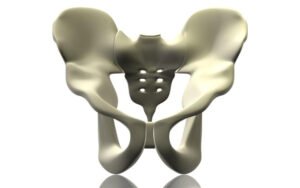
Understanding Hip Joint Flexion: PAILS & RAILS Techniques Explained

Understanding Hip Joint Flexion: PAILS & RAILS Techniques Explained

**Unlocking Deeper Movement: Mastering Hip Joint Flexion with PAILS & RAILS**

Are you ready to elevate your yoga practice? Understanding hip joint flexion is essential for achieving greater mobility and stability on the mat, especially in Ashtanga. In our latest blog post, we delve into the transformative power of PAILS (Progressive Angular Isometric Loading) and RAILS (Regressive Angular Isometric Loading)—two groundbreaking techniques designed to enhance your flexibility and control.

Discover how to effectively integrate these methods into your practice, enabling you to push boundaries and explore deeper ranges of motion. Learn the step-by-step approach to strengthen your hip flexors, improve your transitions between poses, and ultimately enhance your overall performance.

Join us as we explore not just the mechanics but the profound impact that better hip flexion can have on your daily life. Get ready to move with newfound freedom and confidence! Check out the full article [here](#).

Understanding Shoulder Abduction Axials: A Practical Guide

Understanding Shoulder Abduction Axials: A Practical Guide

**Unlocking the Power of Your Shoulders: A Guide to Shoulder Abduction Axials**

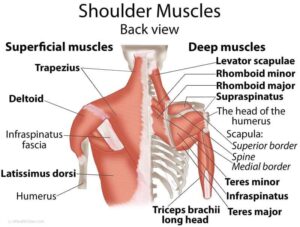
Dive into the heart of ashtanga yoga with our practical guide on understanding shoulder abduction axials. This essential movement—lifting the arms away from the body—plays a pivotal role in your practice, enhancing alignment and preventing injuries. Explore the intricacies of shoulder joint rotations, from internal and external rotations to elevation and depression. Discover transformative exercises like Wall Angels and Resistance Bands that can elevate your technique and deepen your connection to the poses.

Join us as we unravel the nuances of shoulder movement, aligning your practice with the anatomy of your body for a more mindful and effective yoga journey. Embrace the art of safe and powerful practice—your shoulders will thank you!

Understanding Hip Joint Adduction: An Approach to PAILS & RAILS

Understanding Hip Joint Adduction: An Approach to PAILS & RAILS

**Unlocking Your Hip Mobility: The Power of PAILS & RAILS**

Dive deep into the transformative world of hip joint adduction and discover how this often-overlooked movement can elevate your ashtanga yoga practice. By mastering the techniques of Progressive Angular Isometric Loading (PAILS) and Regressive Angular Isometric Loading (RAILS), you’ll not only enhance your strength and flexibility but also cultivate a profound connection to your body’s mechanics.

Imagine flowing effortlessly through complex postures like *Utthita Trikonasana* or *Padmasana*, all while reducing your risk of injury. This blog will guide you through practical steps to integrate PAILS and RAILS into your routine, shedding light on how to harness the full potential of your hips. Embrace the journey toward greater stability and mobility—your mat awaits!

Practical Approaches to Shoulder Range Conditioning

Practical Approaches to Shoulder Range Conditioning

**Unlocking the Power of Your Shoulders: Practical Approaches to Shoulder Range Conditioning**

Are your shoulders ready to elevate your ashtanga practice? Often overlooked, shoulder mobility is a cornerstone of injury prevention and overall performance in yoga. In our latest blog post, we explore practical approaches to enhance your shoulder range conditioning—essential for smooth transitions and deeper poses. From Controlled Articular Rotations (CARS) that promote joint health to dynamic stretches and targeted strength training, discover techniques that seamlessly integrate into your routine. Embrace the strength and flexibility of your shoulders, and watch your practice transform. Dive in and learn how to foster mobility that not only supports your physical journey but enriches your mindfulness on the mat.