Different Meditations, Different Brain Changes
A 9-month study of 300+ participants found that different meditation techniques produce distinct structural changes in different parts of the brain.
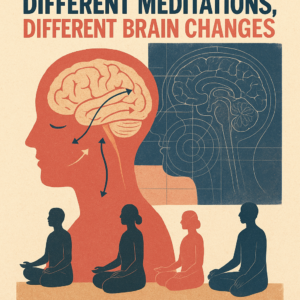
A 9-month study of 300+ participants found that different meditation techniques produce distinct structural changes in different parts of the brain.

Slop sells a sourceless myth. I could have posted a warning — instead I built the humanities companion that hands you the real sources.
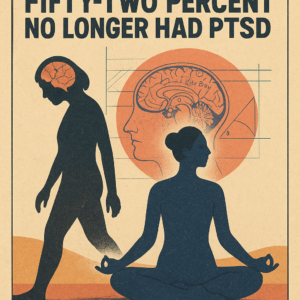
After 10 weeks of trauma-informed yoga, 52% of women with chronic treatment-resistant PTSD no longer met diagnostic criteria, versus 21% in the control group.
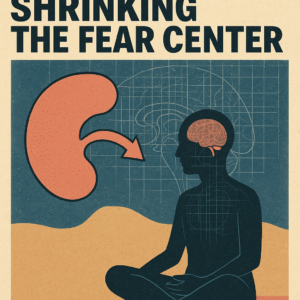
A study of over 15,000 people found that meditation and yoga practitioners had smaller right amygdala volume, the brain region tied to fear and negative emotions.
Anyone can preach consistency. Instead I built it: one pose added each week, deep-linked to a Practice Recorder that logs what you actually did — and that you actually own.
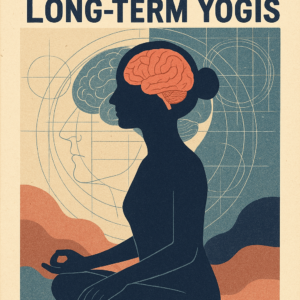
Female yogis over 60 had thicker prefrontal cortexes than non-practitioners, suggesting long-term practice may protect against cognitive aging.

The iRest Yoga Nidra program has expanded to 35 VA Centers and 6 Department of Defense sites after its success treating PTSD and trauma in military populations.
Just 10 minutes of low-intensity yoga improved mood across six measures and boosted cognitive function in sedentary young men, while rest alone did nothing.
Most beginners get poses and a promise that meaning comes later. Praxis gives you a designed sequence and real tools to run your own practice from day one.

The system doesn’t just sort and price. It times — finding you at your most vulnerable.