Books to learn more about the philosphy of yoga?

This is Ashtanga Yoga Tech Support. Real questions from the yoga community, answered. The Question I just started hatha yoga classes and would like to learn more about the history and all… can also be india culture or hinduism. submitted by /u/Complete-Currency240 — via r/ashtanga Here’s the full Tech Support post with all links: Ashtanga Yoga Tech Support Real questions from the yoga community, answered. The Question I just started hatha yoga classes and would like to learn more about the history and all… can also be india culture or hinduism.

—
Read more: https://ashtanga.tech/tech-support/books-to-learn-more-about-the-philosphy-of-yoga/
All content: https://mjh.yoga

#ashtanga #yoga #ashtangayoga #techsupport #ashtangatech

Similar Posts

  • What Is the Yoga of Synthesis?

    If you’ve made it this far, you already know that yoga is an ancient practice that has been around for centuries and is beloved by many for its physical, mental, and spiritual benefits. But did you know that there is a special type of yoga that is even more advanced and powerful? It’s called the yoga of synthesis and it is a unique approach that combines a variety of yogic traditions to provide a holistic experience. In this blog post, we’ll take a look at what the yoga of synthesis is, as well as how it differs from other types of yoga. We’ll explore how this approach can help to bring peace, balance, and well-being into your life. Lastly, we’ll provide some tips on how…

  • Pragmatically Integrating Philosophy into Ashtanga Yoga to Ensure Best Outcomes

    In this video, Michael Joel Hall discusses the importance of integrating all eight limbs of Ashtanga yoga, rather than focusing solely on the physical practice of asanas. He addresses the potential pitfalls of modern practices, such as the risk of turning yoga into just another workout, the impact of social media on the practice, and the ethical dilemmas faced in a performance-driven culture. Hall advocates for a more comprehensive approach that includes elements like meditation, ethical study, and understanding of foundational texts to truly cultivate a holistic yoga practice.
    00:00 Introduction to Modern Ashtanga Yoga
    00:08 Criticism and Holistic Approach
    00:44 Ethical Dilemmas in Social Media
    01:18 Integrating All Eight Limbs
    01:31 Conclusion

  • How to practise yoga by yourself?

    This is Ashtanga Yoga Tech Support. Real questions from the yoga community, answered. The Question I have taken Ashtanga class from a yoga teacher before for 3 months. She had to move to another place and so I had been doing it by playing Ashtanga Primary series on YouTube. I wasn't consistent with this due to various reasons. One of the reasons was that I got bored doing the same sequence. I am now good with the standing poses but the sitting poses and headstand are all still hard for me.

    —
    Read more: https://ashtanga.tech/tech-support/how-to-practise-yoga-by-yourself/
    All content: https://mjh.yoga

    #ashtanga #yoga #ashtangayoga #techsupport #ashtangatech

  • The Chakras: Spinning Wheels of Life Force Energy

    Attention all Ashtanga yogis! It’s time to dive into the world of chakras. Don’t know what they are? Don’t worry, we’ve got you covered. In this blog post, we’re going to introduce you to the spinning wheels of life force energy that are believed to be found in the subtle body. Get ready to become familiar with the philosophy, function, and symbolism of the chakras. Let’s begin! What are Chakras? Chakras, derived from the Sanskrit word meaning “wheel,” are spinning centers of life force energy found in the subtle body. They are believed to be a “spinning sphere of bioenergetic activity emanating from the major nerve ganglia branching from the spinal column,” according to Anodea Judith in her book, Eastern Body, Western Mind. While some…

  • Counting Parsvottanasana with Mindful Prep

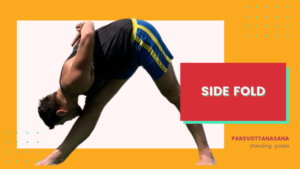
    Counting Your Way to Clarity: The Transformative Journey of Parsvottanasana Embark on a transformative journey with Parsvottanasana, the intense side stretch pose. This powerful asana transcends physicality, offering profound insights into both body and mind. As you dive deeper into the pose, discover how the art of counting can illuminate your practice, providing clarity and focus that enhances your ashtanga experience. Anatomy of Parsvottanasana Parsvottanasana challenges the body, inviting the pelvis to rotate towards the front leg while engaging key muscle groups. Seamlessly transitioning from Ardha Chandrasana, this pose not only intensifies the stretch but also awakens various muscle fibers, particularly in your hamstrings and calves. PÄRSVÕTTANASANA (5 MOVEMENTS) 1 EKAM Inhale, open to the right, hands in prayer behind back 2 DVE Exhale, fold 3 TRINI Inhale, up, turn to the front 4 CATVARI Exhale, fold 5 PANCA Inhale, up, open to the side Exhale, Samasthiti Counterbalancing the Mind and Body Each count in Parsvottanasana connects breath, movement, and intention, creating a rhythm that anchors your practice. As you breathe, you cultivate awareness and clarity, harmonizing the mental and physical realms—ultimately discovering the profound interconnectedness of your being. Mindful Preparations Preparation is crucial for a safe and effective Parsvottanasana. Begin in Tadasana with hands in reverse namaste, opening your shoulders and releasing tension. This mindful approach sets the stage for a deeper stretch, inviting clarity into your alignment and practice. Synergizing for Success The pectoralis major collaborates with the subscapularis and teres major to inwardly rotate the upper arm while stretching shoulder external rotators. Upper back muscles pull shoulder blades toward the spine, creating space in the chest. The rectus abdominis stabilizes the fold, while the psoas maintains the extended leg’s position. By harnessing these relationships, you amplify your experience in Parsvottanasana, moving beyond physicality to cultivate clarity both on and off the mat. For deepening your understanding of Parsvottanasana and its counting, explore our detailed guide: Parsvauttanasana – The Count. Ultimately, Parsvottanasana invites us into a dance of awareness—a fusion of physical engagement and mental clarity. Embrace each of the five movements, counting intentionally, and uncover how this practice can enhance your yoga journey and everyday life.

Notes from the field

No notes yet · members & customers welcome

  1. No notes yet. Be the first to leave one.

Leave a note

Want more? (optional — commenting alone never subscribes you)
Comments are for members & customers. We’ll email a one-tap link to confirm it’s you.