A Little Better: On Watching Your Mind Get You Hurt
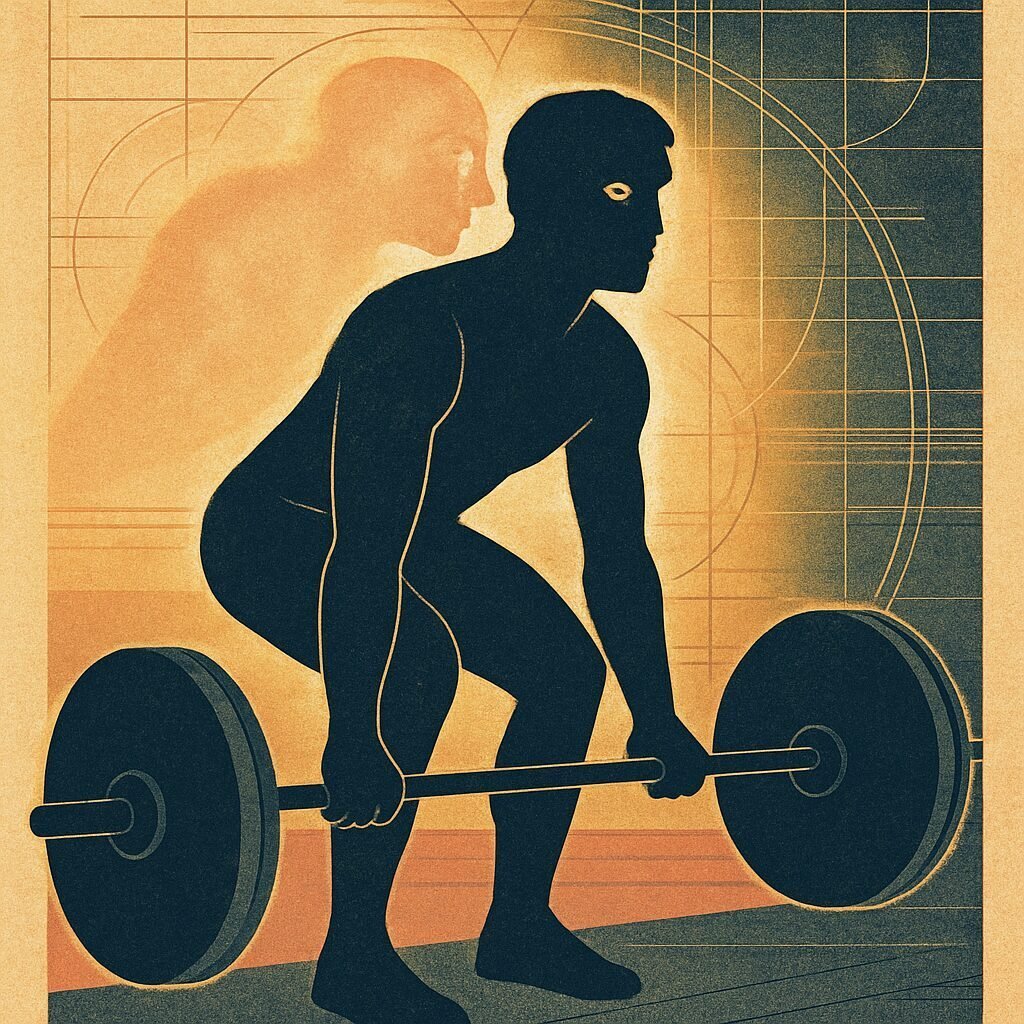
The bar was loaded too heavy. I knew it before I touched it.
I did the second rep anyway.
Not because I forgot the warning, or missed it, or wasn’t paying attention. Because I watched my competitive nature say it’s probably going to be fine, recognized the line for what it was, and acted on it anyway. That’s the whole story. Everything else is annotation.
The part people skip when they tell stories like this—injury stories, near-miss stories, stories about the time they should have known better—is the part that actually happened: the moment of clear seeing, right before the dumb choice. There’s always a moment. We edit it out in retrospect because it’s the most embarrassing part. Ignorance is forgivable. Choosing to ignore isn’t.
I’m not interested in forgiving myself. I’m interested in the sequence.
I knew the weight was too heavy. I watched my competitive nature tell me it was probably going to be fine. I understood, even in the moment, that this was exactly the kind of thing a person says to themselves right before something goes wrong. Then I did the second rep.
Chitta vritti. The Yoga Sutras are not shy about this being the central problem. The second sutra, which everyone quotes: yogas chitta vritti nirodhah. Yoga is the cessation of the fluctuations of the mind. The popular reading says: practice quiets the noise. Get enough mat time, enough meditation time, enough time watching your own breath, and eventually the mind settles down and stops running interference.
I don’t think that’s right. Or at least, I don’t think that’s all of it.
What practice has actually given me is not a quieter mind but a slightly more visible one. I can see the fluctuations happening. I can name them while they’re running—this is competition talking, this is anxiety talking, this is the voice that has been making this particular argument for longer than I can track. That’s not the same as being free of them. It’s more like being a better witness at your own trial.
The witness doesn’t have veto power. The witness just watches.
I’ve been watching my competitive nature operate for long enough to know it’s structural. It shows up at the bar. It shows up on the mat. It shows up in ordinary conversation, the kind where I already know my conclusion but keep talking so it looks like I arrived there honestly. Awareness hasn’t cured any of this. What it has done is change the texture of the moment before I act.
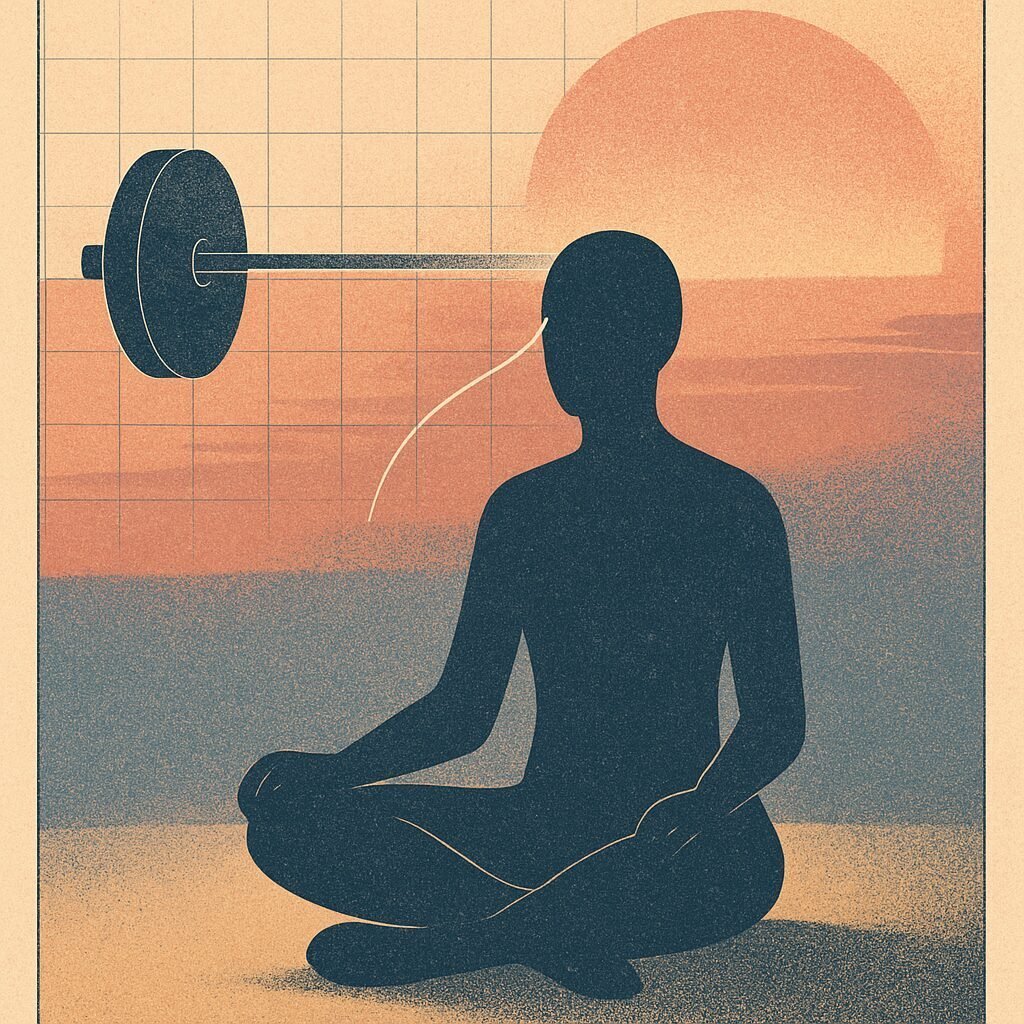
There’s a gap between recognition and action. It’s usually very small—maybe half a second, maybe a breath. Before I had any kind of systematic practice, I’m not sure I knew it existed. Now I can sometimes see into it, the way you can see the bottom of very clear water. You can see it. That doesn’t mean you can change the depth.
I looked into the gap before that second rep. Saw what was there. Did the rep anyway.
That’s not a failure of practice. That’s exactly the material practice works on.
Yoga—any practice worthy of the word—isn’t teaching you to become a different person. It’s teaching you to read the person you actually are, more precisely and sooner. If I’m the kind of person who will occasionally override a clear warning signal because competitive momentum sounds more confident than better judgment—and I am, I’m fairly certain of that now—then this will happen again. The weight will be too heavy. The voice will say probably fine. The gap will open.
What changes, over time, is what I do in the gap. Not always. Not dramatically. Not in the way transformation stories require. But in aggregate, over years of paying attention to the same patterns in the same body: the interval between the witness and the action gets a little shorter. The pause stretches a beat. Sometimes I set the bar down.
A little better. That’s the whole proposition.
Not fixed. Not free of the patterns that have been running since long before I could name them. Not the kind of person who makes good decisions under pressure because I’ve done enough inner work to transcend competitive instinct.
Just marginally more fluent in how I’m built—with a slightly shorter delay between the moment I see what’s happening and the moment I actually respond to what I see.
Practice is how you learn to read the system. You are the system.