

Access Is the Practice
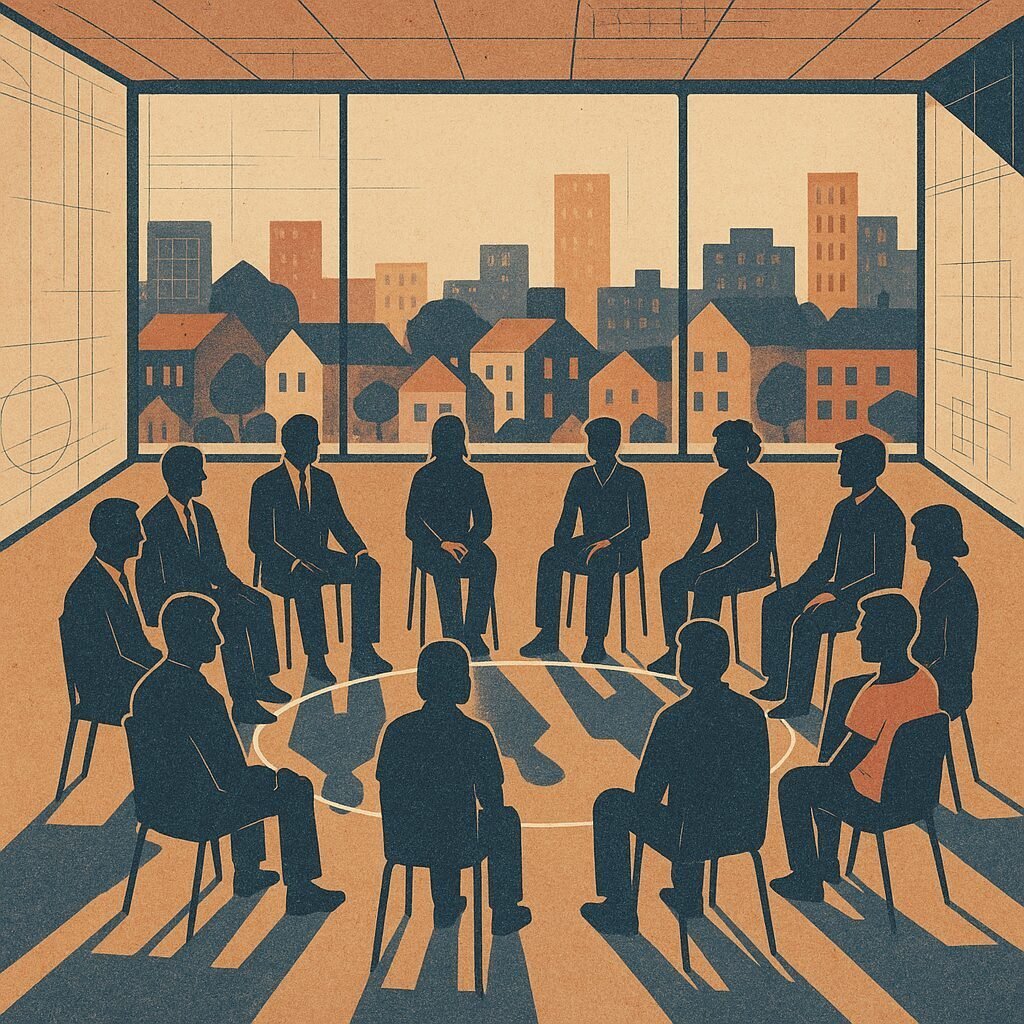
The Bloomberg deal was $1,425 over six weeks. Six classes, one hour each, midtown, conference room with the furniture shoved against the windows. Somebody rolled out the mats before I got there. I set up my speaker, queued a playlist, and waited by the door.
That’s the polished version. The actual version includes the initial inquiry that went nowhere, then the follow-up three weeks later, then the proposal, the certificate of insurance rider, the W-9, the scheduling thread that took longer than the proposal, the reminder email, the thank-you note after session one, the logistics email about the room change, and the fifteen minutes I spent on arrival figuring out which elevator went where. Teaching is maybe 30% of what you’re doing when you teach inside a company.
I don’t say that as complaint. I say it because the other 70% is what nobody mentions in yoga spaces, and it matters more than the sequencing.
Here’s what I noticed afterward, or said to myself in some version of this: being in that building isn’t only a payday. It’s proximity. The person who coordinates the wellness program knows someone at a masthead I care about. The person who shows up early every Tuesday has a network I can’t fully see from where I’m standing. I’m not calculating this in real time — but I’m also not pretending it isn’t happening.
“Just being around these professionals in my little capacity,” I told someone recently, “it provided me access to wherever they end up going.”
That sentence sat with me. Access isn’t charity. It isn’t luck. It’s the compounding return on years of showing up in rooms you weren’t originally expected to occupy.
I grew up in a household where nobody went to the IMF. That wasn’t the trajectory. When I eventually found myself teaching there — some Thursdays, basement conference room, thirty-five minutes from the Capitol on a good Metro day — I could hold two things at once: I was in a building where decisions get made about monetary policy for 190 countries, and the people who make those decisions were, for one hour a week, lying in Savasana while I counted their exhales. That’s not power. But it’s not nothing, either.
For teachers of color, institutional yoga isn’t simply a revenue stream. It’s class-bridging labor wrapped in the language of wellness. You are doing the visible work — sequencing, cuing, adjusting, holding the room’s energy when someone’s phone buzzes for the third time — while simultaneously doing a second, invisible work: repositioning yourself inside networks that spent decades not looking for you. Both labors are real. Only one of them gets a line item in any teacher training curriculum.
“I don’t have contacts at a local paper like I used to,” I said. “It’s by being at the IMF, you get to know a news reporter or someone. And then you’re the person that they call.”
That’s how networks actually work. Not who you know on the day you walk in the door. Who you’re adjacent to over years.
I’ll own the uncomfortable part of this. “It’s such a fucking humble brag, but I Google well.” That’s true. I’ve built enough of a public record — writing, community work, a practice that’s outlasted several waves of yoga trend — that when someone has to choose between two teachers for a corporate contract, my name doesn’t need explanation. That searchability is access too. I worked for it. I also had enough of a head start to do that work at all.
What yoga owes the communities it has displaced is a conversation the industry isn’t ready to have at scale. That’s a different essay. What interests me here is the quieter obligation: if you’ve found your way into institutional rooms, you can treat that as validation of your practice, your brand, your arc. Or you can treat it as infrastructure — the kind that doesn’t announce itself, that accretes without ceremony, that only reveals its shape years later when someone you barely remember has you on a list.
The room is not the destination. The room is where you build the proximity that, if you’re even a little deliberate, outlasts the contract.
Access is real, it’s structural, and the people most likely to call it luck are the ones who’ve never had to manufacture it.