Alignment and Form in Ashtanga Yoga

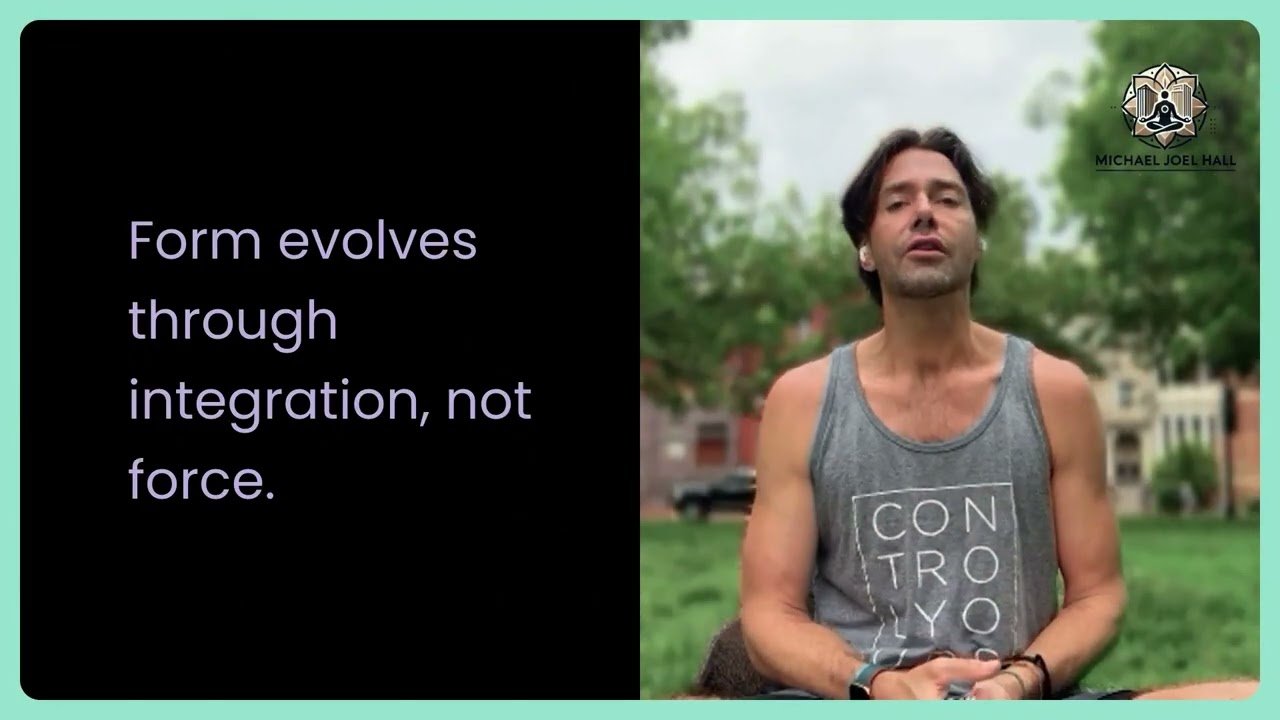
Michael Joel Hall shares his insights on alignment and form in Ashtanga Yoga, emphasizing the importance of functionality over aesthetics in postures. He discusses how stability, internal awareness, and breath play pivotal roles in developing both strength and flexibility. Hall highlights that true depth in practice arises from understanding the purpose and mechanics of poses rather than merely striving for visually perfect forms.

00:00 Introduction to Alignment in Ashtanga Yoga
00:12 Principles and Practice of Functional Alignment

00:00 Introduction to Alignment in Ashtanga Yoga
00:12 Principles and Practice of Functional Alignment

Similar Posts

  • Is Two Teachers One Too Many?

    This is a video about the Ashtanga Yoga Dilemma: Is Two Teachers One Too Many?

    Reach out for support at https://michaeljoelhall.com/coaching if this is something you’re reckoning with.

    00:00 Introduction: The Teacher-Student Dynamic
    00:13 Traditional Loyalty vs. Modern Needs
    00:38 Benefits of Diverse Inputs
    01:16 Balancing Depth and Breadth
    01:43 Intentional Learning and Discernment
    02:08 Conclusion: Evolving Beyond Hierarchical Gatekeeping

  • MJH on “Get Your Sanskrit On: The Language of Yoga”

    As Ashtanga yoga practitioners, we are familiar with the Sanskrit names of the yoga poses, or asanas. But have you ever wondered about the origins of this ancient language and its significance in the yoga tradition? In this post, we will explore the fascinating world of Sanskrit and its connection to our practice. What is Sanskrit? Sanskrit is an ancient language that originated in India over 3,000 years ago. It is considered to be the mother of all Indo-European languages and is one of the oldest languages on Earth. The…

  • Counting Parsvottanasana with Mindful Prep

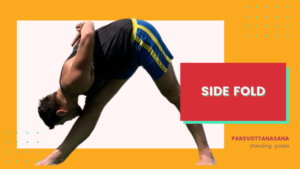
    Counting Your Way to Clarity: The Transformative Journey of Parsvottanasana Embark on a transformative journey with Parsvottanasana, the intense side stretch pose. This powerful asana transcends physicality, offering profound insights into both body and mind. As you dive deeper into the pose, discover how the art of counting can illuminate your practice, providing clarity and focus that enhances your ashtanga experience. Anatomy of Parsvottanasana Parsvottanasana challenges the body, inviting the pelvis to rotate towards the front leg while engaging key muscle groups. Seamlessly transitioning from Ardha Chandrasana, this pose not only intensifies the stretch but also awakens various muscle fibers, particularly in your hamstrings and calves. PÄRSVÕTTANASANA (5 MOVEMENTS) 1 EKAM Inhale, open to the right, hands in prayer behind back 2 DVE Exhale, fold 3 TRINI Inhale, up, turn to the front 4 CATVARI Exhale, fold 5 PANCA Inhale, up, open to the side Exhale, Samasthiti Counterbalancing the Mind and Body Each count in Parsvottanasana connects breath, movement, and intention, creating a rhythm that anchors your practice. As you breathe, you cultivate awareness and clarity, harmonizing the mental and physical realms—ultimately discovering the profound interconnectedness of your being. Mindful Preparations Preparation is crucial for a safe and effective Parsvottanasana. Begin in Tadasana with hands in reverse namaste, opening your shoulders and releasing tension. This mindful approach sets the stage for a deeper stretch, inviting clarity into your alignment and practice. Synergizing for Success The pectoralis major collaborates with the subscapularis and teres major to inwardly rotate the upper arm while stretching shoulder external rotators. Upper back muscles pull shoulder blades toward the spine, creating space in the chest. The rectus abdominis stabilizes the fold, while the psoas maintains the extended leg’s position. By harnessing these relationships, you amplify your experience in Parsvottanasana, moving beyond physicality to cultivate clarity both on and off the mat. For deepening your understanding of Parsvottanasana and its counting, explore our detailed guide: Parsvauttanasana – The Count. Ultimately, Parsvottanasana invites us into a dance of awareness—a fusion of physical engagement and mental clarity. Embrace each of the five movements, counting intentionally, and uncover how this practice can enhance your yoga journey and everyday life.

  • The Intermediate Trap

    Three years in and you have the sequence memorized. You know the Sanskrit names, or most of them. You can get through Primary without stopping to think about what comes next. You have also stopped noticing anything. That is the intermediate trap. You learned the shapes and skipped the system. This is the thing about yoga that nobody tells you at the beginning, mostly because it sounds like a contradiction: the people who are often practicing best are the ones who have just started. Not because they are more flexible or more focused. Because they are paying attention to what is actually happening, instead of managing how it looks. A beginner has no performance to maintain. They arrive, they try, they fall. They breathe because…

Notes from the field

No notes yet · members & customers welcome

  1. No notes yet. Be the first to leave one.

Leave a note

Want more? (optional — commenting alone never subscribes you)
Comments are for members & customers. We’ll email a one-tap link to confirm it’s you.