Counting Parsvottanasana with Mindful Prep

Parsvottanasana, or the intense side stretch pose, is a powerful asana that goes beyond mere physicality. As you delve into this pose, not only do you experience a profound stretch through your hamstrings and calves, but you also embark on a transformative journey, both physically and mentally. This journey is beautifully articulated through counting—a foundational aspect of the ashtanga practice that offers clarity and focus.Anatomy of Parsvottanasana

The pose demands the pelvis to rotate towards the front leg while engaging multiple muscle groups. It provides continuity in your sequence when placed after Ardha Chandrasana, encouraging a seamless transition that awakens muscle groups efficiently. The focal point here is the front-leg hamstrings, but let’s not forget the back-leg hamstrings and calf muscles—the gastrocnemius and soleus—which receive attention due to the unique positioning of the pelvis and legs.


PÄRSVÕTTANASANA (5 MOVEMENTS)
1 EKAM Inhale, open to the right, hands in prayer behind back
2 DVE Exhale, fold
3 TRINI Inhale, up, turn to the front
4 CATVARI Exhale, fold
5 PANCA Inhale, up, open to the side
Exhale, Samasthiti

Counterbalancing the Mind and Body

As we move through each count in Parsvottanasana, we find a rhythm that connects breath, movement, and intention. Each inhalation and exhalation serves as an anchor, harmonizing our mental chatter with the physical realm. Counting provides an essential structure within ashtanga practice, allowing practitioners to deepen their awareness and cultivate clarity amidst the challenges posed by this intense stretch.

Using the breath as a guide, you engage specific muscle groups—your quadriceps, psoas, and even the intricate stabilizers within your shoulders—allowing for a multidimensional approach to this pose. It’s important to recognize that the mechanics of this posture are not just about achieving the perfect shape; they foster a deeper understanding of how interconnected our bodies are.

Mindful Preparations

Preparation is key to executing Parsvottanasana safely. Begin in Tadasana, positioning your hands in reverse namasté. This opens the shoulders and prepares you for the deeper stretch. Engaging in conscious preparation allows for the release of tension and encourages clarity in your alignment. Keep in mind that your setup is a precursor to the journey ahead; do not rush the process.

Synergizing for Success

  • The pectoralis major works with the subscapularis and teres major to turn the upper arm bone inward while stretching the external rotators of the shoulder.
  • The muscles spanning the upper back pull the shoulder blades toward the spine, creating space in the chest.
  • The rectus abdominis contracts to maintain the fold, while the psoas stabilizes the position of the extended leg.

By harnessing these synergistic relationships, you create a more holistic experience in Parsvottanasana, one that transcends the physical stretch. This systemic approach emphasizes the importance of connection, advocating for clarity on and off the mat.

For further insights into navigating the nuances of Parsvottanasana and its counting system, check out this detailed resource: Parsvauttanasana – The Count.

In conclusion, Parsvottanasana invites us into a dance of awareness—a blend of physical engagement and mental clarity. Embrace the five movements, count them diligently, and discover how this intentionality can enhance not just your practice but your everyday life.

“`

Similar Posts

  • The Reading List That Actually Matters

    The books that change your practice aren’t always the ones everyone mentions—they’re the ones that make philosophy feel like practice.

    Someone on Reddit asked where to start learning about yoga philosophy. Simple question. Deep rabbit hole. In a Tech Support post on Ashtanga.tech, we mapped the territory—books that actually deliver, not just the ones everyone mentions because they’re supposed to. There’s a difference. The reading list below isn’t exhaustive. It’s curated. These are the books that keep showing up in studios, on bedside tables, in the hands of teachers who’ve been at this for decades. They’re the ones that don’t just explain yoga—they change how you practice it.

    —
    Read the full article: https://theyoga.club/the-reading-list-that-actually-matters/
    Original source: https://ashtanga.tech/tech-support/books-to-learn-more-about-the-philosphy-of-yoga/
    All content: https://mjh.yoga

    Concepts: Yoga Sutras · Pratyahara · Samadhi · Svadhyaya

    #ashtanga #yoga #ashtangayoga #yogapractice #theyogaclub

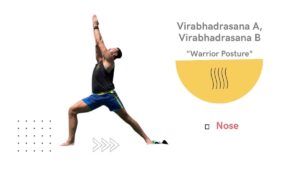
  • Virabhadrasana A & B: Understanding the Count and Its Flow

    **Unlocking the Warrior Within: A Journey Through Virabhadrasana A & B**

    Step onto your mat and prepare to unleash the vibrant energy of the Warrior! In our latest blog, “Virabhadrasana A & B: Understanding the Count and Its Flow,” we delve into the essence of these powerful standing poses. Discover how the intricate interplay between breath and movement cultivates strength, stability, and an expansive heart.

    Join us as we break down the 14 transformative actions that guide each posture, ensuring your practice flows with intention and grace. From the grounding stance of Warrior I to the energizing lift of Warrior II, learn the anatomical nuances that foster alignment and engagement.

    Whether you’re a seasoned practitioner or just beginning your yogic journey, this exploration promises to deepen your understanding and enhance your connection to each pose. Let the rhythm of the count become your ally as you dance through the asanas—transforming not just your practice, but your life off the mat as well.

    Dive in for insights that will empower your practice today! 🌟

  • The Yamas and Niyamas in Modern Practice

    There’s something odd about a Mysore room. No blaring playlists. No teacher on a headset shouting “FIND YOUR INNER FIRE!” Just a bunch of sweaty people breathing like Darth Vader and bending like origami — all in near silence. It looks calm. It’s not. Underneath that still surface? Pure chaos, transformation, and the occasional emotional meltdown masked as a backbend. And weirdest of all? When one person has a breakthrough — sticks a jump-back, drops into kapo, or finally breathes through their existential dread in supta kurmasana — it somehow lifts everyone. Welcome to the group project you didn’t know you signed up for: The Collective Energy Field™ — where your personal practice is apparently everybody’s business. I. The Science of Collective Energy (or, Why…

  • Time and Lifestyle Adaptations

    This is a video about How Ashtanga Yoga Impacts Our Time and Lifestyle– and how they impact our practice. Visit michaeljoelhall.com/coaching to book a session if you’d like to chat about your practice.

    00:00 Introduction: Overachievers and Unrealistic Expectations
    00:15 Challenges of Traditional Ashtanga Yoga
    00:48 Adapting Yoga for Modern Life
    01:56 Flexible Approach to Yoga Practice
    02:09 Redefining Progress in Yoga
    02:42 Conclusion: Integrating Yoga into Real Life

  • Avoiding Fixation on Perfect Form in Ashtanga Yoga

    The Trap of Perfect Alignment in Yoga: Embrace Internal Balance

    Michael Joel Hall discusses the pitfalls of obsessing over perfect alignment in yoga Asana. He emphasizes that the body is dynamic and that chasing an idealized form can lead to strain, frustration, and injury. Hall advocates for alignment that supports internal balance and sustainable practice rather than just external aesthetics. He reminds viewers that progress in Ashtanga Yoga is about stability, breath, and awareness, and that pain should be seen as a warning sign, not a marker of progress.

    00:00 Introduction to Alignment in Yoga and Perfection’s Pitfalls
    00:43 True Alignment: Internal Balance and Awareness

  • Surya Namaskar A: The Full Vinyasa Count in English and Sanskrit

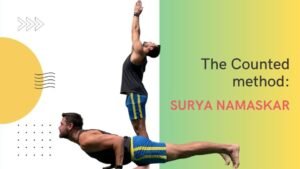
    Surya Namaskar A (9 movements) English Count Sanskrit Count English Instruction 1 EKAM Inhale, arms up 2 DVE Exhale, fold forward 3 TRINI Inhale, look up, lengthen 4 CATVARI Exhale, jump back, Chaturanga 5 PANCA Inhale, Upward-Facing Dog 6 SAT Exhale, Downward-Facing Dog 7 SAPTA Inhale, jump forward, look up, lengthen 8 ASTAU Exhale, fold forward 9 NAVA Inhale, arms up Exhale, Samasthiti SURYANAMASKARAḤ B (17 movements) 1 EKAM Inhale, Utkatasana 2 DVE Exhale, fold forward 3 TRINI Inhale, look up, lengthen 4 CATVARI Exhale, jump back, Chaturanga 5 PANCA Inhale, Upward-Facing Dog 6 SAT Exhale, Downward-Facing Dog 7 SAPTA Inhale, right side Virabhadrasana A 8 ASTAU Exhale, Chaturanga 9 NAVA Inhale, Upward-Facing Dog 10 DASA Exhale, Downward-Facing Dog 11 EKĀDASA Inhale, left side Virabhadrasana…

Notes from the field

No notes yet · members & customers welcome

  1. No notes yet. Be the first to leave one.

Leave a note

Want more? (optional — commenting alone never subscribes you)
Comments are for members & customers. We’ll email a one-tap link to confirm it’s you.