
The purple tsunami against data centers
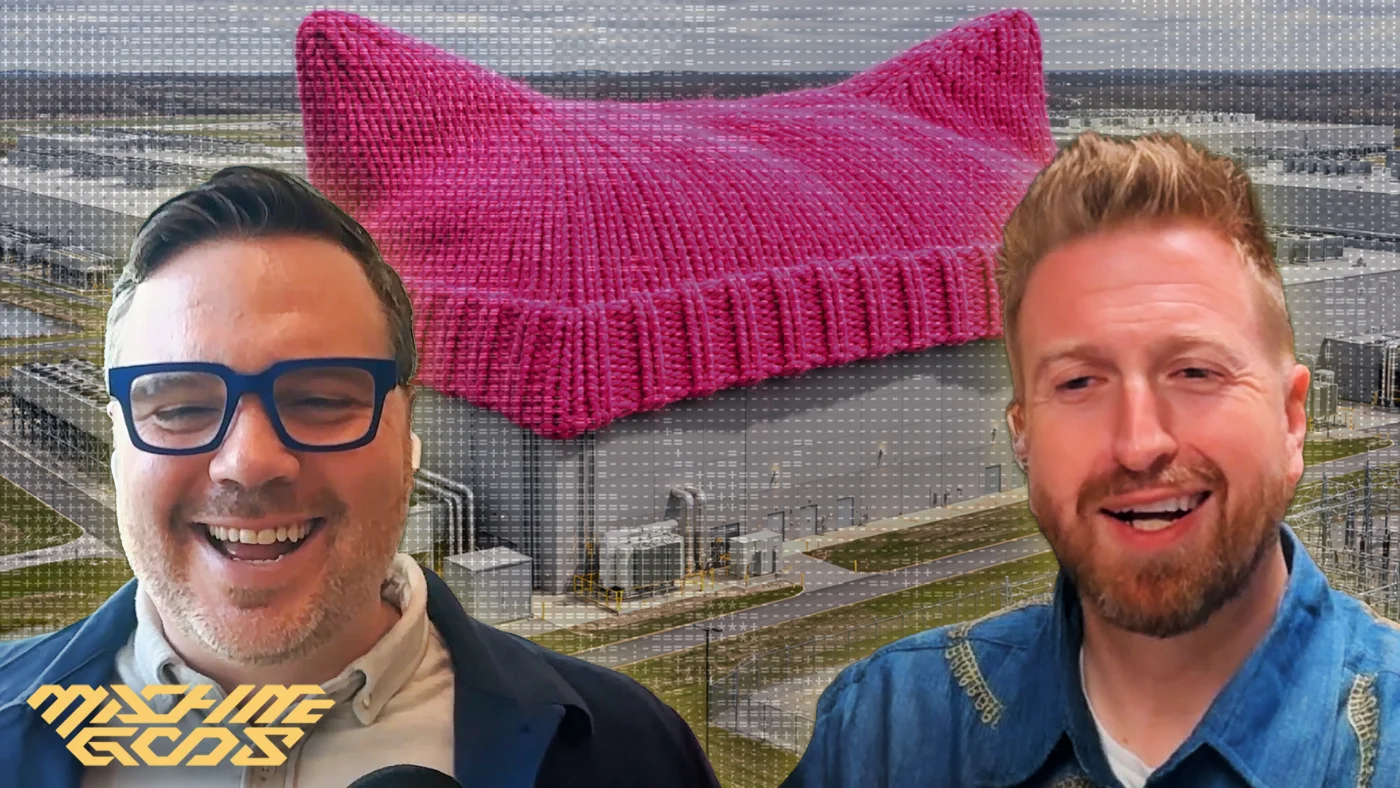 npr.orgThe purple tsunami against data centersA podcast episode examining how opposition to AI data centers became a major issue in the 2026 midterms, with voters across multiple states rejecting facilities due to local impact concerns. The discussion explores whether community backlash will slow AI development or force tech companies to negoti✦ Read ad free and get the full MichaelFilter · $5.50
Part of the MichaelFilter
Members read the whole piece — the writeup, the pull-lines, and the full transcript. Unlock access for $5.50.
Unlock the full reading · $5.50 →A podcast episode examining how opposition to AI data centers became a major issue in the 2026 midterms, with voters across multiple states rejecting facilities due to local impact concerns. The discussion explores whether community backlash will slow AI development or force tech companies to negotiate better terms with host communities, and includes analysis of which AI-related political messages resonated with voters.
Teaching:
• Use data center opposition as a case study for practice resistance—students often reject technique changes the way communities reject infrastructure, both need trust and transparent benefit
• Frame adjustments as negotiations not impositions: like tech companies learning to strike better deals with communities, teachers must co-create practice modifications with students rather than mandate them
• Community impact of AI facilities mirrors how individual practice choices affect the collective Shala energy—what seems personal always has systemic ripples
• The 'purple tsunami' against data centers shows bipartisan body wisdom—when something feels extractive rather than generative, people across ideologies recognize it through felt sense not argument
Writing seeds:
• Essay: 'The Data Center in Your Practice'—how students resist new sequences the way towns resist tech infrastructure, both need to see concrete local benefit not abstract future promise
• Shala Daily post: What the backlash against AI data centers teaches us about introducing practice changes—the importance of community input, transparent costs, and negotiated implementation
• Long-form piece: 'Purple Tsunami Pedagogy'—when students across experience levels unite in resistance to a teaching approach, it's usually the method not the students that needs adjustment
• Newsletter: The politics of practice space—how Shala decisions about music, temperature, schedule mirror community fights over data centers, both are negotiations about shared resource use
Idea map:
• Data center opposition as systems literacy in action—communities reading environmental load, energy costs, and local impact as integrated signals not isolated variables
• Backlash as embodied knowledge: voters' felt sense of extraction preceding rational analysis, similar to how students know a cue doesn't serve before articulating why
• The negotiation between tech progress and community consent parallels practice evolution—advancement requires buy-in not just technical capacity
• Political messaging that 'moved voters' on AI mirrors effective cueing—it worked because it named what bodies already knew, didn't try to convince them of something abstract
Source: https://www.npr.org/2026/11/06/nx-s1-6032000/the-purple-tsunami-against-data-centers
Notes from the field
No notes yet · members & customers welcome
- No notes yet. Be the first to leave one.
Join MichaelFilter
Michael Joel Hall’s daily reading — the field journal, critical-thinking cards, and synthesis — as a membership.
$5.50/month · cancel anytime
Join — $5.50/mo →Secure checkout on theyoga.club. A yearly option ($55) is available there too.