
The Dangers of AI Voice Clones
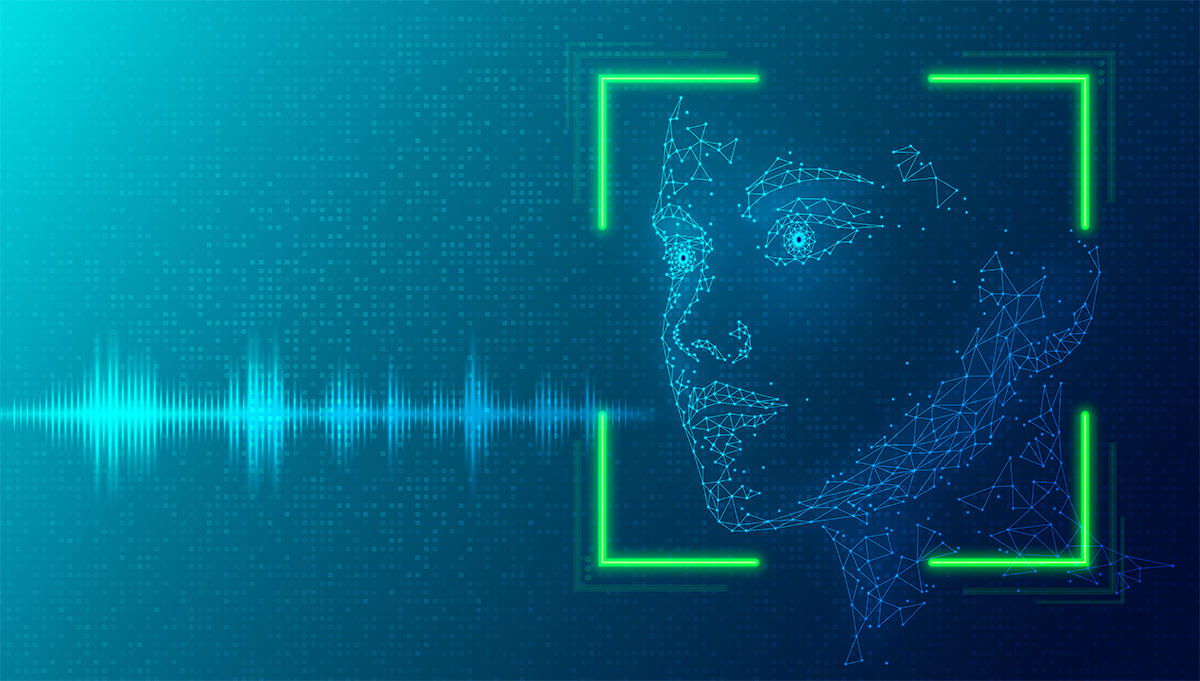 nautil.usThe Dangers of AI Voice ClonesAI voice-cloning technology can now duplicate voices from seconds of audio, enabling both scams and marketing manipulation. Recent research shows voices similar to our own are more persuasive, likely due to evolutionary safety signals and cognitive balance theory. Companies collecting voice data thr✦ Read ad free and get the full MichaelFilter · $5.50
Part of the MichaelFilter
Members read the whole piece — the writeup, the pull-lines, and the full transcript. Unlock access for $5.50.
Unlock the full reading · $5.50 →AI voice-cloning technology can now duplicate voices from seconds of audio, enabling both scams and marketing manipulation. Recent research shows voices similar to our own are more persuasive, likely due to evolutionary safety signals and cognitive balance theory. Companies collecting voice data through search and assistant apps could theoretically personalize ads using cloned versions of individual voices, though exact usage remains unclear.
Teaching:
• Use the voice-similarity finding to explore how students respond to verbal cues that mirror their own breathing rhythm or pacing during practice
• Frame the 'familiarity breeds trust' mechanism as parallel to how consistent daily practice creates safety for deeper exploration
• Discuss the creepiness threshold as analogous to when a teacher's mirroring becomes mimicry—skillful attunement versus uncanny imitation
• Connect evolutionary in-group signaling to how shared practice language (Sanskrit terms, sequencing cues) builds sangha cohesion
Writing seeds:
• Essay on how Ashtanga's fixed sequence creates a 'familiar voice' that allows practitioners to trust the method enough to explore edges
• Shala Daily post comparing AI voice cloning to the transmission lineage—when does replication preserve essence versus become hollow mimicry
• Piece on attention hygiene in an age of persuasive tech: how daily practice trains discernment between authentic signal and manufactured familiarity
• Short post on the uncanny valley in teaching—when does skillful mirroring of student energy cross into manipulation or loss of authentic presence
Idea map:
• Voice similarity as persuasion tool maps directly to systems literacy—recognizing how subtle environmental cues (including teacher's voice/energy) shape decision-making in practice
• The creepiness threshold parallels embodiment work: too much external control (even if 'familiar') undermines agency and felt sense
• Evolutionary safety signals connect to why consistent practice environment (same room, time, sequence) allows nervous system to relax into challenge
• Cognitive balance theory relates to how students adopt teacher's framing—practice as method requires awareness of this influence dynamic
Source: https://nautil.us/the-dangers-of-ai-voice-clones-1282420/
Teaching:
• Use the voice-similarity finding to explore how students respond to verbal cues that mirror their own breathing rhythm or pacing during practice
• Frame the 'familiarity breeds trust' mechanism as parallel to how consistent daily practice creates safety for deeper exploration
• Discuss the creepiness threshold as analogous to when a teacher's mirroring becomes mimicry—skillful attunement versus uncanny imitation
• Connect evolutionary in-group signaling to how shared practice language (Sanskrit terms, sequencing cues) builds sangha cohesion
Writing seeds:
• Essay on how Ashtanga's fixed sequence creates a 'familiar voice' that allows practitioners to trust the method enough to explore edges
• Shala Daily post comparing AI voice cloning to the transmission lineage—when does replication preserve essence versus become hollow mimicry
• Piece on attention hygiene in an age of persuasive tech: how daily practice trains discernment between authentic signal and manufactured familiarity
• Short post on the uncanny valley in teaching—when does skillful mirroring of student energy cross into manipulation or loss of authentic presence
Idea map:
• Voice similarity as persuasion tool maps directly to systems literacy—recognizing how subtle environmental cues (including teacher's voice/energy) shape decision-making in practice
• The creepiness threshold parallels embodiment work: too much external control (even if 'familiar') undermines agency and felt sense
• Evolutionary safety signals connect to why consistent practice environment (same room, time, sequence) allows nervous system to relax into challenge
• Cognitive balance theory relates to how students adopt teacher's framing—practice as method requires awareness of this influence dynamic
Source: https://nautil.us/the-dangers-of-ai-voice-clones-1282420/
Notes from the field
No notes yet · members & customers welcome
- No notes yet. Be the first to leave one.
Join MichaelFilter
Michael Joel Hall’s daily reading — the field journal, critical-thinking cards, and synthesis — as a membership.
$5.50/month · cancel anytime
Join — $5.50/mo →Secure checkout on theyoga.club. A yearly option ($55) is available there too.