
I tried Readme, the dating app for book lovers
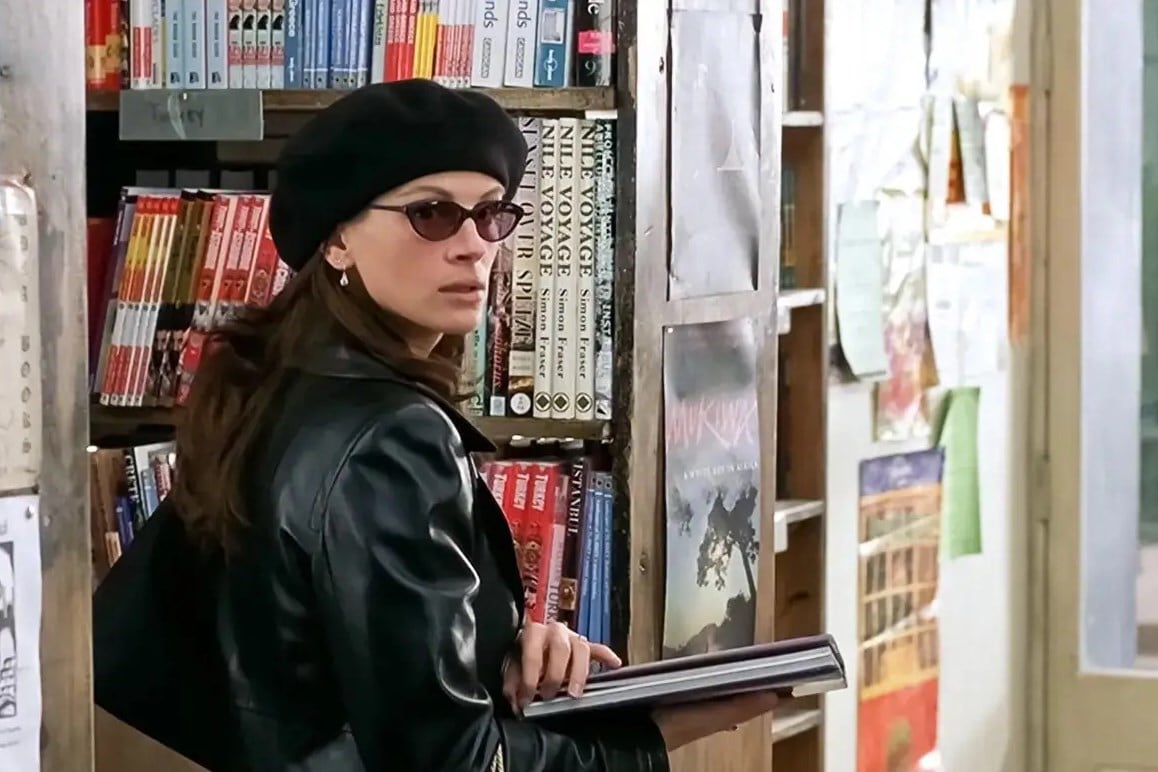 dazeddigital.comI tried Readme, the dating app for book loversReadme is a dating app from the Co-Star team that matches users based on their relationship to language and literature, not just book lists. It builds a 'taste profile' from how people relate to writing, framing connection through literary sensibility rather than conventional swipe mechanics.✦ Read ad free and get the full MichaelFilter · $5.50
Part of the MichaelFilter
Members read the whole piece — the writeup, the pull-lines, and the full transcript. Unlock access for $5.50.
Unlock the full reading · $5.50 →Readme is a dating app from the Co-Star team that matches users based on their relationship to language and literature, not just book lists. It builds a 'taste profile' from how people relate to writing, framing connection through literary sensibility rather than conventional swipe mechanics.
Teaching:
• Use taste profile framing in intake forms: ask how students relate to practice (ritual, challenge, refuge) rather than what poses they can do
• Cue relationship to sensation over achievement of shape — 'how do you meet resistance' not 'can you bind'
• Theme class around students' orientation to practice (exploratory, devotional, therapeutic) as a matching layer for community building
• Apply Co-Star's astrology-as-language model to practice: what's your default mode in discomfort (push, pause, negotiate)?
Writing seeds:
• Essay: 'Taste Profiles for Practice' — how we relate to the method reveals more than what we can perform
• Shala Daily post: matching students to practice styles the way Readme matches readers to literary sensibility
• Short piece: what if intake asked 'how do you read your body' instead of injury history
• Post comparing astrology apps (personality as constellation) to practice diagnostics (pattern recognition over prescription)
Idea map:
• Extends systems literacy: relationship to language as substrate for connection mirrors relationship to breath/sensation as substrate for practice
• Embodiment through taste: how we orient to writing/practice reveals operational patterns, not just preferences
• Attention economy inversion: taste profile as depth signal vs swipe culture's surface optimization
• Practice as method: Readme's 'how you relate' model applies to asana — the stance toward practice is the practice
Source: https://www.dazeddigital.com/life-culture/article/71039/1/readme-review-dating-app-for-book-lovers-co-star-horoscope-literature-love
Teaching:
• Use taste profile framing in intake forms: ask how students relate to practice (ritual, challenge, refuge) rather than what poses they can do
• Cue relationship to sensation over achievement of shape — 'how do you meet resistance' not 'can you bind'
• Theme class around students' orientation to practice (exploratory, devotional, therapeutic) as a matching layer for community building
• Apply Co-Star's astrology-as-language model to practice: what's your default mode in discomfort (push, pause, negotiate)?
Writing seeds:
• Essay: 'Taste Profiles for Practice' — how we relate to the method reveals more than what we can perform
• Shala Daily post: matching students to practice styles the way Readme matches readers to literary sensibility
• Short piece: what if intake asked 'how do you read your body' instead of injury history
• Post comparing astrology apps (personality as constellation) to practice diagnostics (pattern recognition over prescription)
Idea map:
• Extends systems literacy: relationship to language as substrate for connection mirrors relationship to breath/sensation as substrate for practice
• Embodiment through taste: how we orient to writing/practice reveals operational patterns, not just preferences
• Attention economy inversion: taste profile as depth signal vs swipe culture's surface optimization
• Practice as method: Readme's 'how you relate' model applies to asana — the stance toward practice is the practice
Source: https://www.dazeddigital.com/life-culture/article/71039/1/readme-review-dating-app-for-book-lovers-co-star-horoscope-literature-love
Notes from the field
No notes yet · members & customers welcome
- No notes yet. Be the first to leave one.
Join MichaelFilter
Michael Joel Hall’s daily reading — the field journal, critical-thinking cards, and synthesis — as a membership.
$5.50/month · cancel anytime
Join — $5.50/mo →Secure checkout on theyoga.club. A yearly option ($55) is available there too.