Gen Z Appears to Be Reversing No-Drinking Trend, Now Lurching Toward Alcoholism
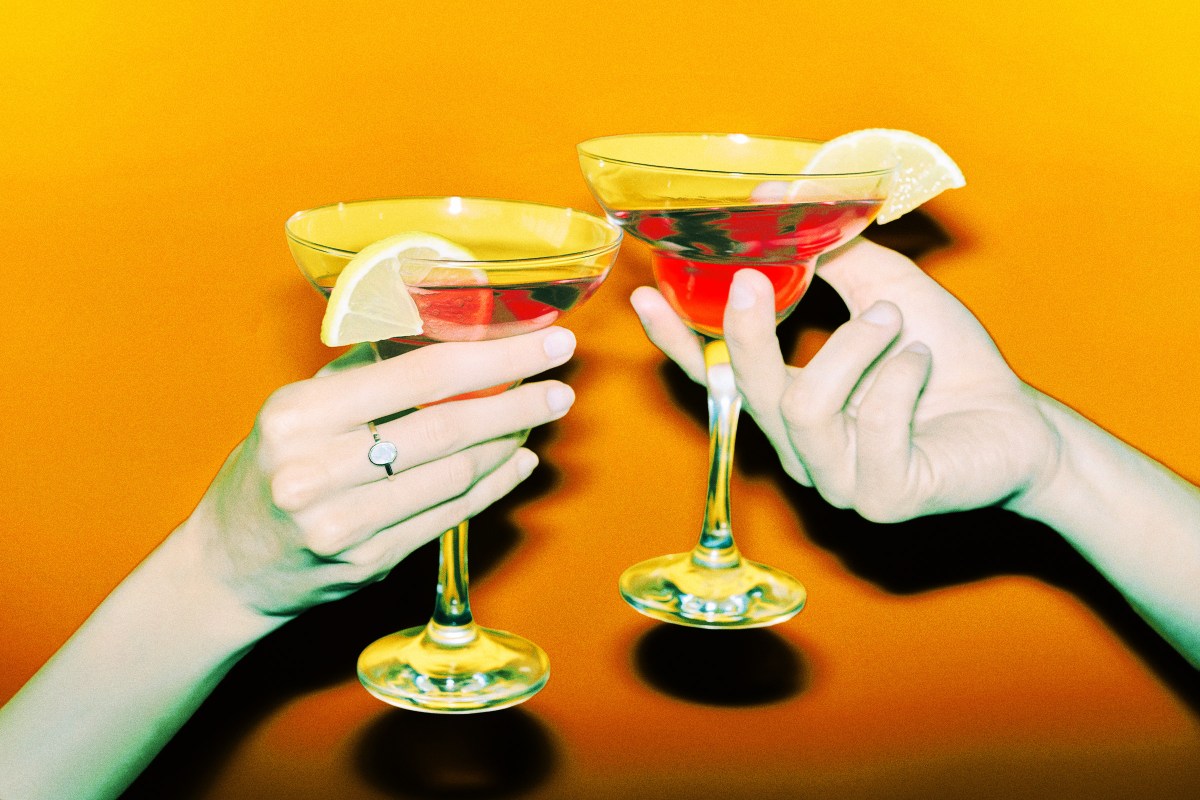 futurism.comGen Z Appears to Be Reversing No-Drinking Trend, Now Lurching Toward AlcoholismNew research shows Gen Z alcohol consumption jumped from 66% to 74% in three years, reversing earlier trends of abstinence. The shift is attributed partly to pandemic timing—many Gen Zers hit legal drinking age during lockdowns—and their drinking patterns (more cocktails, more social occasions) diff✦ Read ad free and get the full MichaelFilter · $5.50
Part of the MichaelFilter
Members read the whole piece — the writeup, the pull-lines, and the full transcript. Unlock access for $5.50.
Unlock the full reading · $5.50 →New research shows Gen Z alcohol consumption jumped from 66% to 74% in three years, reversing earlier trends of abstinence. The shift is attributed partly to pandemic timing—many Gen Zers hit legal drinking age during lockdowns—and their drinking patterns (more cocktails, more social occasions) differ slightly from older generations while overall rates now match societal norms.
Teaching:
• Use this as a case study in delayed developmental windows: students who started practice during pandemic isolation may now be catching up on embodied social learning they missed, showing up differently than pre-2020 cohorts
• Frame moderation not as generational virtue but as context-dependent—students' capacity for self-regulation in practice mirrors their life circumstances, not fixed traits
• Address the 'late to the party' dynamic: students returning after breaks or starting later often binge on intensity to compensate, risking injury; cue sustainable pacing over catching up
Writing seeds:
• Essay: 'Late to the Party'—how pandemic-era students are compressing developmental stages in practice, what that means for injury patterns and teaching pace
• Shala Daily post: the myth of generational moderation vs. the reality of situational constraints; what this tells us about attributing student behavior to character vs. circumstance
• Post comparing alcohol moderation trends to practice fads (hot yoga, 30-day challenges)—both reveal how we mistake temporary conditions for permanent shifts in human behavior
• Systems piece: how lockdowns created a cohort effect in practice communities, and why we can't teach 2025 students the same way we taught 2019 students
Idea map:
• Systems literacy: generational behavior reflects system conditions (pandemic, economy) not inherent traits—same applies to practice communities shaped by external constraints
• Embodiment and social context: drinking is social learning; Ashtanga is social learning; both require in-person environments to develop naturally, can't be fully replaced by digital substitutes
• Attention to timing: developmental windows matter—students who miss foundational phases due to life disruption show different patterns when they return, need adjusted scaffolding
• Practice as method: the 'catching up' impulse (binge drinking, intensive practice) reveals how people misunderstand gradual accumulation, mistake intensity for lost time
Source: https://futurism.com/future-society/gen-z-alcohol-reversal
Teaching:
• Use this as a case study in delayed developmental windows: students who started practice during pandemic isolation may now be catching up on embodied social learning they missed, showing up differently than pre-2020 cohorts
• Frame moderation not as generational virtue but as context-dependent—students' capacity for self-regulation in practice mirrors their life circumstances, not fixed traits
• Address the 'late to the party' dynamic: students returning after breaks or starting later often binge on intensity to compensate, risking injury; cue sustainable pacing over catching up
Writing seeds:
• Essay: 'Late to the Party'—how pandemic-era students are compressing developmental stages in practice, what that means for injury patterns and teaching pace
• Shala Daily post: the myth of generational moderation vs. the reality of situational constraints; what this tells us about attributing student behavior to character vs. circumstance
• Post comparing alcohol moderation trends to practice fads (hot yoga, 30-day challenges)—both reveal how we mistake temporary conditions for permanent shifts in human behavior
• Systems piece: how lockdowns created a cohort effect in practice communities, and why we can't teach 2025 students the same way we taught 2019 students
Idea map:
• Systems literacy: generational behavior reflects system conditions (pandemic, economy) not inherent traits—same applies to practice communities shaped by external constraints
• Embodiment and social context: drinking is social learning; Ashtanga is social learning; both require in-person environments to develop naturally, can't be fully replaced by digital substitutes
• Attention to timing: developmental windows matter—students who miss foundational phases due to life disruption show different patterns when they return, need adjusted scaffolding
• Practice as method: the 'catching up' impulse (binge drinking, intensive practice) reveals how people misunderstand gradual accumulation, mistake intensity for lost time
Source: https://futurism.com/future-society/gen-z-alcohol-reversal
Notes from the field
No notes yet · members & customers welcome
- No notes yet. Be the first to leave one.
Join MichaelFilter
Michael Joel Hall’s daily reading — the field journal, critical-thinking cards, and synthesis — as a membership.
$5.50/month · cancel anytime
Join — $5.50/mo →Secure checkout on theyoga.club. A yearly option ($55) is available there too.