Cognition Is Navigation
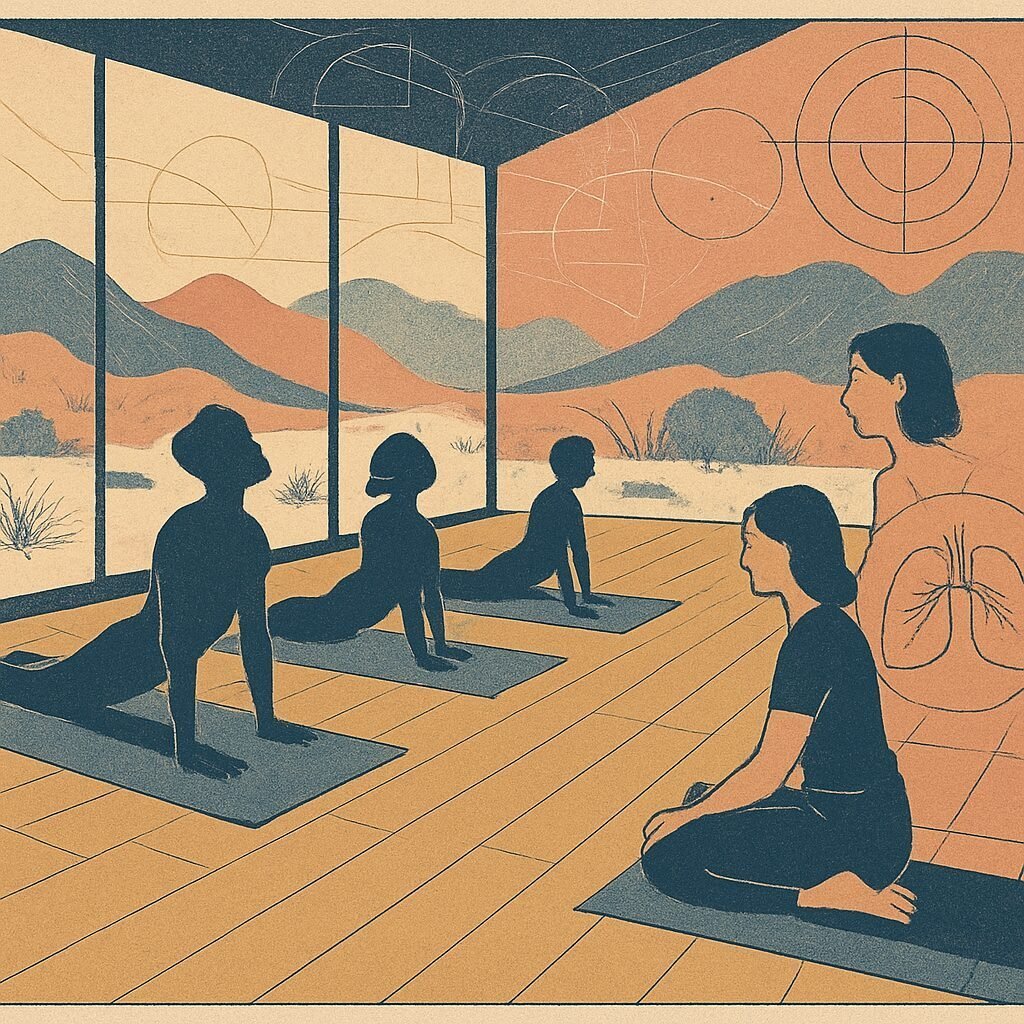
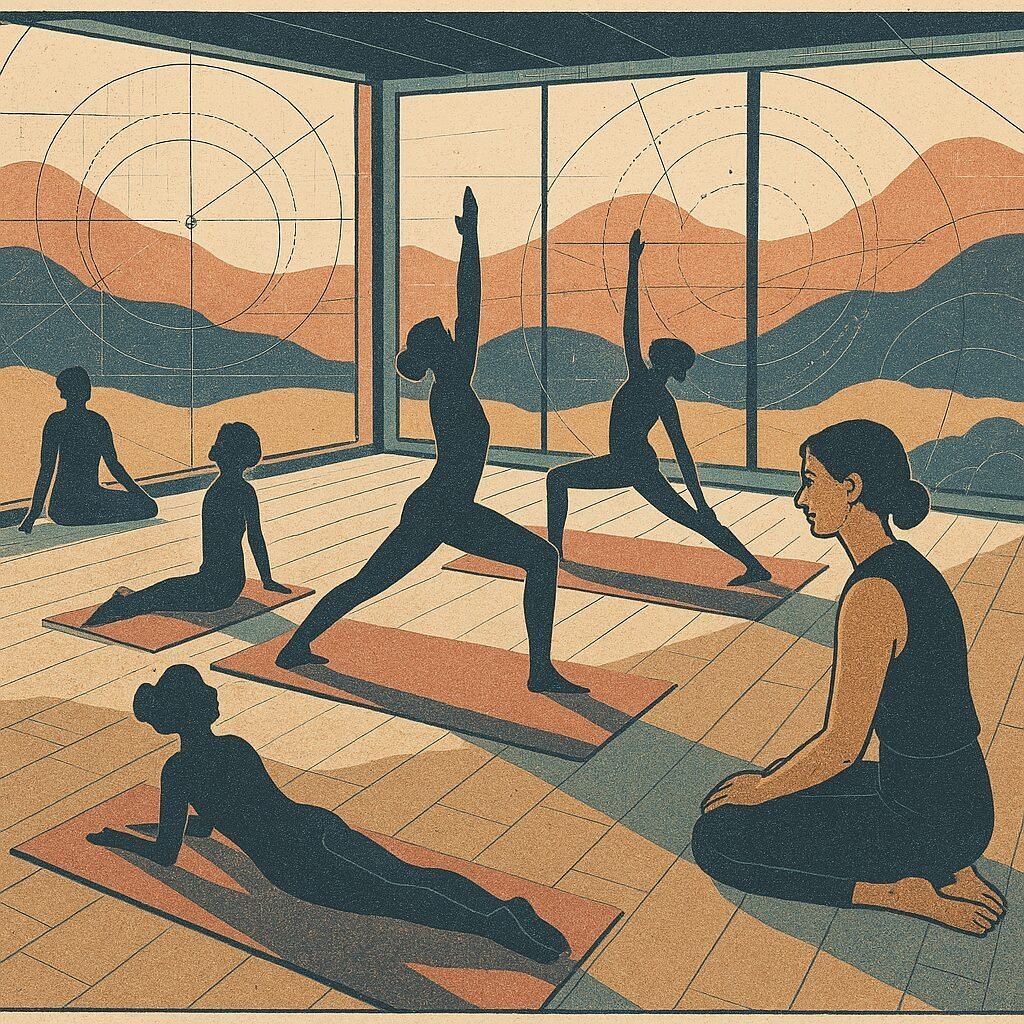
I came up as a white boy whose lived experience is foreign to anyone who’s always been urban or urban-adjacent. There are two books that made me feel very seen, and give me language for my experiences. Tyson Yankaputa’s Sand Talks and Boyd Varitay’s The Lion Trackers Guide to Life changed how I thought. There are a lot of folks that strugge– really just have a hard time grasping my young life, one in which my high school was 45 minutes away. If that was a lot, let ’em reckon with the fact that my roads weren’t paved and we had no stoplights. Okay, well — one.
Where Yunkaporta’s work is inherently political, Boyd Varty’s leans into storytelling. Varty was raised among trackers in South Africa and learned the art of tracking lions. “Tracking is a function of directing attention,” he writes, “bringing our awareness back to the subtler inner trail of the wild self.”
As an Ashtangi, my navel-gazing reaches past my own practice, and I came to wonder: how could a naughty hick come to receive these practices from a world so, so far away? And in such a POTENT form? How?!
Erykah Badu likens it to a tuning fork — a relational vibration. Today I’m interested in cognition as navigation: an organizing force that aggregates and interpolates our various sense fields as we develop a fuller, multimodal awareness. The animating forces of the universe go by different names across different indigenous epistemologies.
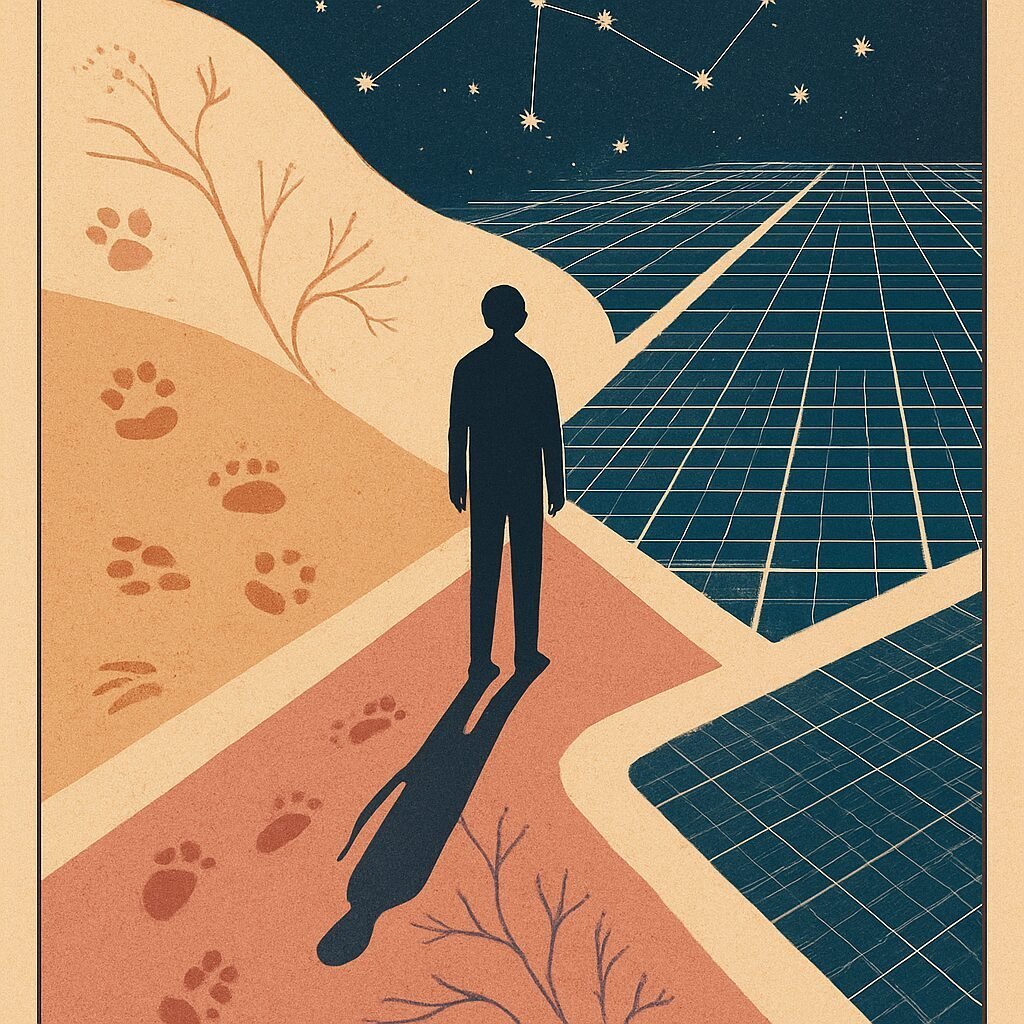
I’ve been deeply influenced by both Tyson Yunkaporta and Boyd Varty, each offering insight into their indigenous practices. Both make a case for cognition rooted in place and relationship.
“Undiagnosed homesickness to feel a belonging to the greater ecosystem,” writes Varty, “and to know ourselves in relation rather than isolation.” I can feel the pull from the inside. Cognition is spatial, relational, and anchored in place.
It makes the addictive pull of social feeds and surveillance capitalism all the more disgusting. They distort and disrupt our relational cognition — they sever the anchor to place I mentioned earlier. That’s especially vile if your people have a relationship with place. “Your cognitive function doesn’t function,” Yunkaporta argues.
I learned a kind of safety in the intersection of athleticism and the care of Black women. I was a football player good enough to garner respect from my male peers, and I was just sweet enough that Black women seemed to give me a smidge of extra care. That smidge was magnified in juxtaposition to my life elsewhere.Tyson Yunkaporta writes from his experience as an Aboriginal adoptee trying to find his way forward in cultures that were both his own and foreign. I strongly related to that, actually — especially his insistence that knowing where you are is inseparable from knowing who you are.
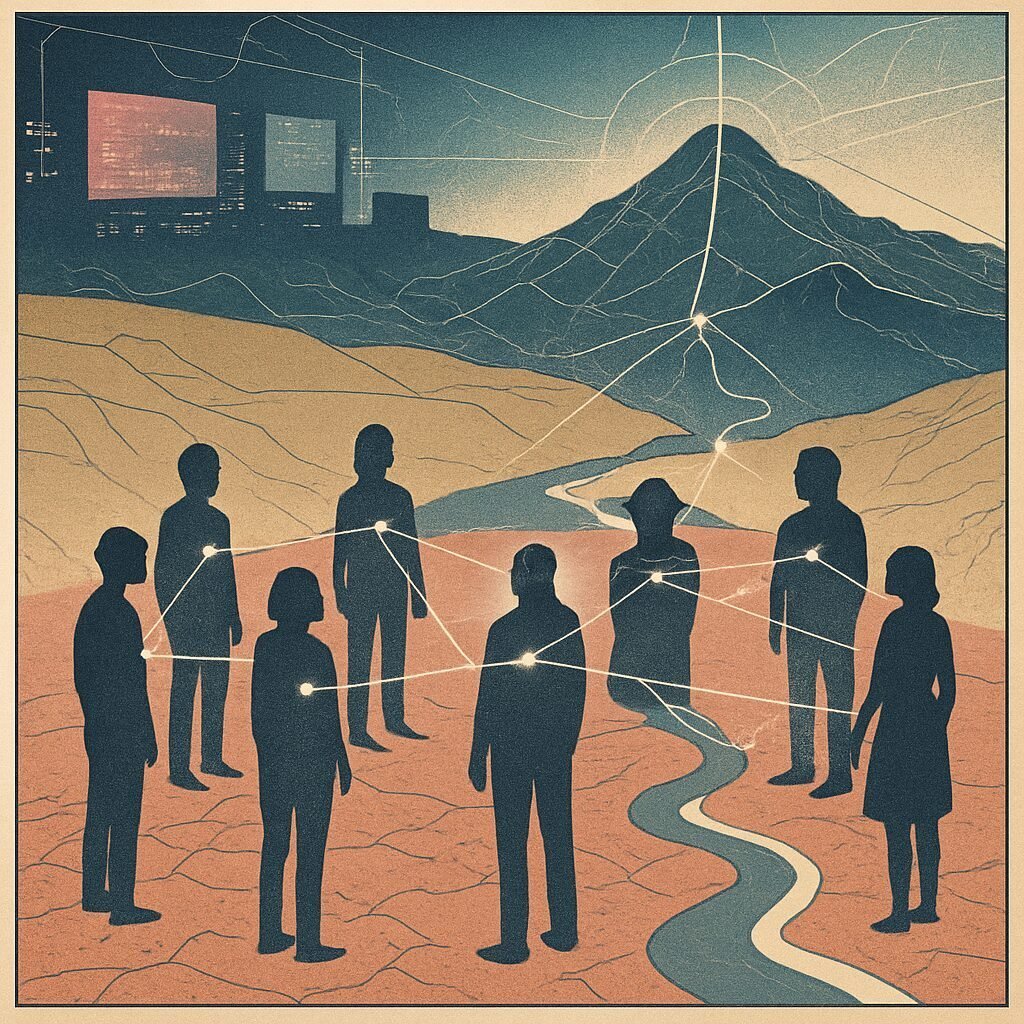
So I see these technologies as both tethers and searchlights.
I don’t need the answer so much as the story. “Invest in the discovery, not the outcome,” Varty suggests. I think now that I should have worried more about outcomes — but here we are.
“Once you’re entangled with somebody, that’s it — you’re always entangled!” warns Yunkaporta. Yoga, and lineage yoga in particular, sees that. I’m thinking of the student-teacher relationship here. In my heart, I think of the love I carry for old flames. Truly, this wisdom cuts both ways.
The lions watch you back in Africa. The world is something that watches you back. Try as you might, you are not alone.
We have access to a spatial memory, and we know memories to be facsimile retellings of our stories. This is how we keep places alive in the body-mind organism. Our anxiety may well be a symptom of disconnection from place and community.
I want to raise my fist with Yunkaporta to push back against systems of power that would (please forgive the term) whitewash the aforementioned indigenous epistemologies. And I would like my bow to be my mouth, and my arrow the one that pierces my own heart — a skill of individual talents gifted from my own place, just as Varty’s was.
When asked what I do in mixed company — particularly when I’m trying to peacock — I say that I teach indigenous insight practices.
The Ashtanga I teach is through the lens of MJH, America’s Favorite Faggot — and it can be no other way if it is to be authentic. But I crave the company of those who are REAL ONES.
Abstraction from the truth of quiet comfort — from those who “get it” — is a symptom of lost placefulness. The causal loop circles back to social media, though that’s surely only one component.
Every iteration of insight comes with the little death of an illusion — some more precious than others. La petite mort: the direct translation of the French word for orgasm. Keep your optics straight.
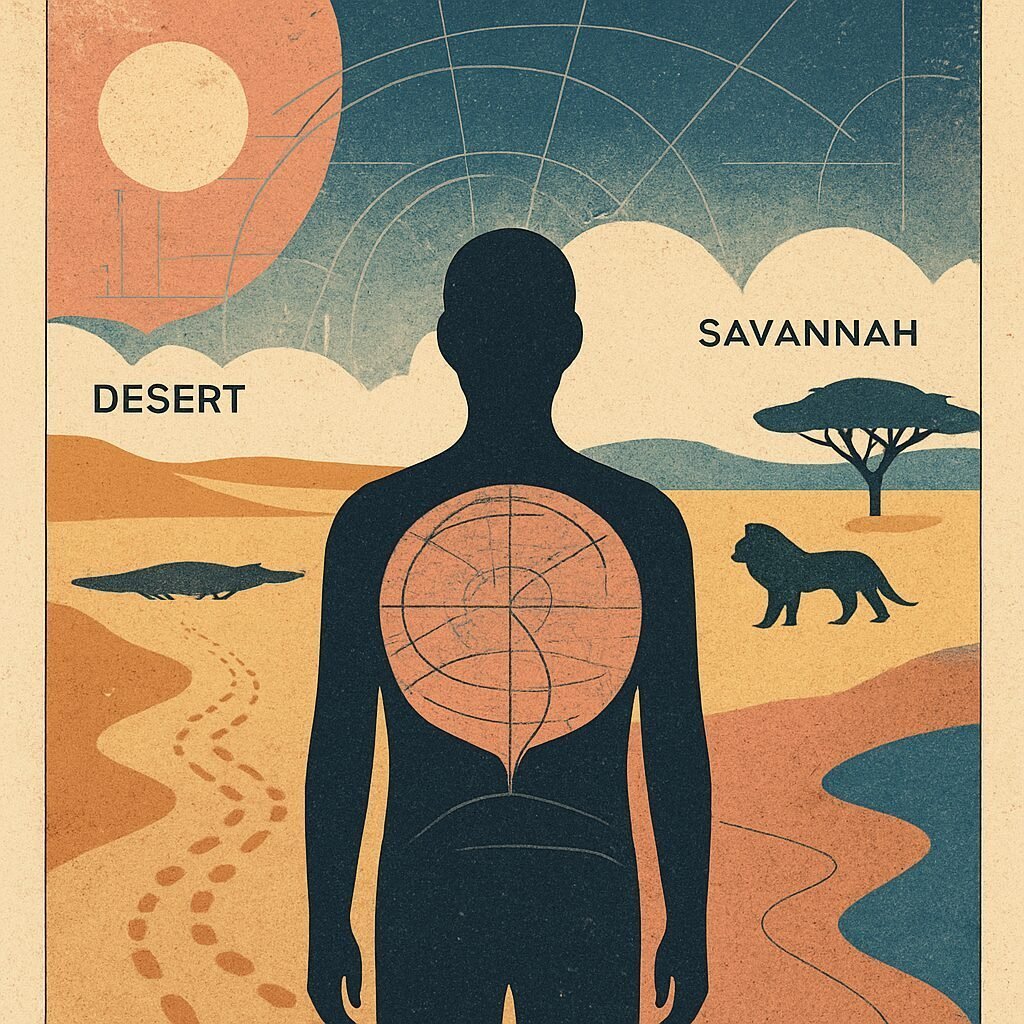
I don’t always call myself a yoga teacher. It’s not out of shame for my work — no, it’s out of grief for the appropriation and extraction that has occurred under the label “yoga teacher.” It’s given me an ick. Ew. But yoga, too, WORKS, and I am so grateful to have been taught this beautiful craft. The mat provides access to the special, just as the body offers a map for tracking. This dissolves the toxicity of abstraction.
Alas, I will never behold my final work. I can’t skip past the creating to the creation. I am a link in the net, made of such strong fiber that I have no doubt it will support many, many more links. Seriously, I ask again: how DID I get here?
I feel unworthy
…and I feel blessed. I know place, and I know my place — but I do not know what I do not know. I pray to feel even more unworthy, as I trust in my teachers enough that I cannot doubt myself in this way.
I am so grateful for this kind of cognition. It grows in capacity, but it also responds dynamically. To make this tacit experience discursive is a fool’s errand — but there you have it.