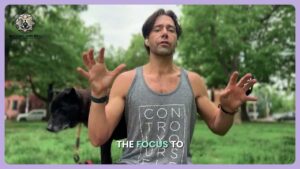
Ashtanga for Beginners
What is Ashtanga yoga?
Ashtanga yoga is derived from ancient yogic practices and emphasizes the merging of breath and movement. This dynamic style of yoga links postures with ujjayi breathing (breathing with sound) and striving towards a gazing point known as Drishti. Originating in Mysore, India, Ashtanga yoga was popularized during the 20th century by K. Pattabhi Jois and has since become widely practiced around the world.
In Ashtanga, practitioners make their way through a series of postures while focusing on breath awareness to build prana, or life force energy. Each posture is linked to the next with an emphasis on proper alignment, which can help individuals see physical gains through regular practice. Additionally, Ashtanga’s extended holds are said to improve mental stamina and focus by compelling practitioners to stay present throughout their practice. Through its combination of physical intensity and breath-focused mindfulness, countless individuals have come to find solace in its structure-driven nature, benefiting both mind and body on an holistic level.
Can a Beginner do Ashtanga Yoga?
Yes, a beginner can do Ashtanga yoga. Whether you are starting from scratch with no experience in yoga or have a little knowledge of the practice, any novice can start this type of yoga. Most classes will be informed on how to slowly build up your skills and offer an introductory course that will help you learn some basic poses, how to use proper breathing techniques and become more familiar with the environment.
I clearly remember my first Ashtanga yoga class. I was surrounded by about 10 other people– none of whom seemed just like me; completely clueless as to what to do! I shouldn’t have worried: the teacher provided me with comprehensive instructions on each movement as he counted each breath. We worked our way through standing sequence, not even the beginning of the primary series. Those early days of learning the poses felt magical and despite being a total beginner, I enjoyed every single minute of it.
How Do I Start Ashtanga Yoga For Beginners?
Ashtanga yoga is a traditional practice that focuses on the physical postures of the body and breathing exercises. For beginners, it is important to find a knowledgeable teacher who can guide them in the right direction. An introductory course or class at a local studio would be a great place to start, as this establishes an understanding of the foundations of this practice.
When starting out with Ashtanga yoga, there are also plenty of resources available online such as YouTube videos. However, for inexperienced practitioners, having an experienced teacher provide feedback and instruction on correct positions and alignment is essential in avoiding injury or incorrect practices. It is best to take your time when getting into Ashtanga yoga and look for qualified teachers with a good reputation rather than trying to rush into more advanced techniques without proper guidance. Following these steps can create a strong foundation for any beginner practitioner and set them off on the right path towards success in their practice of Ashtanga yoga.
Can You Teach Yourself Ashtanga Yoga?
Ashtanga yoga is the perfect type of yoga for self-practice. There are few poses that require special alignment instructions and this makes it good for independent practice. You can start out with the introductory ashtanga sequence, which usually includes sun salutations, standing postures, seated postures, backbends and inversions. The sequence can be repeated each time you practice so it’s easy to teach yourself this type of practice.
Despite its simplicity, however, it is always important for a beginner to have in-person guidance from a qualified and experienced ashtanga yoga teacher at least some of the time. This will ensure correct alignment and execution of poses to minimize injury – especially if you are unfamiliar with certain types of pose transitions or if you lack general body awareness when it comes to your own body’s pose performance or limitations. Additionally, an experienced teacher can provide verbal cues as well as hands-on assistance that will benefit even one’s home practice routine.
What Happens In An Ashtanga Yoga Class?
An Ashtanga Yoga class has a clear structure, and its beauty lies in the fact that it’s the same wherever you go. This helps to provide a sense of stability in the practice, since practitioners know what to expect from an Ashtanga yoga class no matter where they are. It is reassuring for those who practice often, to find that their experience will not entirely change due to changes in location.
In addition, I love telling my students that they don’t have to worry when starting yoga out of town or travelling – whatever studio they book into will have a very similar format for practicing. However, experienced ashtangis may note some subtle differences between teachers and styles when practicing Ashtanga yoga around the world, which can introduce interesting nuances even in familiar practice flows.
Truths About Ashtanga Yoga That Every Beginner Should Know
Ashtanga yoga is intimidating to many, yet incredibly rewarding and beneficial with practice. This traditional practice takes discipline and dedication to develop properly, which may put some off from trying it. However, if approached in the right way, Ashtanga can be immensely impactful for someone’s health and wellbeing.
My own journey with Ashtanga began by taking my first Mysore class. Mysore classes are group classes where all participants learn every single asana individually, at their own pace yet inside the same environment. I focused on getting accustomed to the right ways of breathing and the feeling of each posture before moving onto more advanced postures, allowing me to get comfortable with the practice itself before jumping into more complex poses. After attending a few Mysore classes my enthusiasm for Ashtanga only grew stronger and I was so excited for further progress as I kept challenging myself daily.
1. Its a Beginners Best Option
For Yoga beginners, it is essential to have a solid foundation and instruction on how the poses should be done properly. Ashtanga is a great option for those starting out because of its systematic approach of learning. It follows a set sequence that progresses from primary asanas, through secondary asanas and finally more advanced poses. The teacher only teaches you once they are sure that you have mastered the fundamentals and can move forward in the hierarchy. This helps beginners get familiar with the poses at their own pace without becoming overwhelmed by complexity or too advanced postures right away.
The Ashtanga system also requires adherence to a clear structure of practice so you’ll always know what to expect when attending an Ashtanga class. At each level there are specific poses, positions and a certain number of breaths taken within the transitions between them which will allow the practitioner to gradually progress through each sequence safely and effectively. This makes it suitable for beginners allowing them to gain confidence in their body’s ability while refining their yoga practice over time until they reach a point where they can then move onto an advanced class if desired.
2.One of the gifts that comes with Ashtanga is the relationships you can form with those who practice it.
One of the best gifts that comes with Ashtanga yoga is the relationships you can form with those who practice it. The shared experience of learning and practicing together will create a strong bond between practitioners, one that is hard to find in other activities. I have met some of my closest friends while attending
Sharing a practice with likeminded people can be incredibly rewarding, often leading to lifelong friendships. In a typical classroom setting, everyone is going through the same things: trying to establish a solid and consistent practice at home, dealing with injuries or discouragement due to comparisons with a more graceful classmate. Knowing that your yoga friends are experiencing similar moments of doubt makes it easier for all involved to move forward and stay motivated in their practice.
Supporting each other on our path to better physical and mental health is an invaluable benefit of being part of this community. With the combined strength of those around you, even difficult poses can start coming more easily, and obstacles become less daunting as you have support to lean onto when needed. Showing empathy for others’ struggles will also help cultivate a deeper understanding among classmates and foster genuine relationships between individuals — perhaps even blossoming into more fulfilling connections once off the mat.
3. Commitment and not flexibility nor strength is the only key to stay on course.
Without this dedication, it will be hard to make any progress within a practice that requires consistency and sustained effort in order to reach desired goals. To stay motivated, practitioners must learn how to keep their enthusiasm alive despite any difficulties or setbacks they.
It is important to remember that the practice of Ashtanga yoga requires more commitment than just showing up for a class and going through the motions. There must be a genuine interest in learning, understanding, and applying yogic principles to our lives. The physical practice can act as a portal into the deeper realms of yoga, allowing us to go beyond the surface understanding of an asana or posture
4. Feedback is critical for growth.
Feedback is a critical element for personal growth. According to Anders Ericsson in his book Peak: Secrets from the New Science of Expertise, feedback plays a vital role in achieving success. He speaks of ‘purposeful practice’ which involves seeking out honest opinions and recognizing areas that need improvement.
Recognizing weaknesses allows one to switch focus appropriately and come up with new techniques that would address those weaknesses. For example, in a mysore practice class where the teacher watches each student with much scrutiny, she gives helpful adjustments and verbal instructions which serve as immediate feedback on what the student should or should not be doing. This type of feedback is important for personal growth as it allows us to identify our own weaknesses quickly and make necessary modifications so we can achieve better results over time.
5. Once you start practicing Ashtanga, it will be difficult to stop.
Once someone starts practicing Ashtanga, it can be incredibly difficult to stop. This is because Ashtanga quickly becomes part of your daily life and ingrained in your psyche. The repetition ensures that the postures provide comfort and familiarity the more one practices, ultimately creating a sense of calmness with oneself.
In addition to this, the plethora of benefits that come from practicing Ashtanga are hard to ignore. Most noticeably, the physical benefits — increased strength and flexibility — can really change how one perceives their body and its abilities. Mentally too, there is a clear improvement in focus and concentration skills due to the meditative aspects which can provide respite from stressful times or periods of high emotion. These are all factors that motivate people to continue practising despite its rigours – outweighing any thoughts of renouncing their newfound passion for freedom. Therefore, once you commit to an Ashtanga practice it can be hard to say goodbye!
6. You probably won’t practice anything else once you have tasted the goodness of Ashtanga.
Practicing Ashtanga brings a level of satisfaction that nothing else compares to. The commitment and dedication you put into your practice will always be appreciated and rewarded, for it gets more enjoyable the more you practice it. After mastering the basics, each time is going to feel like a never ending journey of self-improvement. The challenge is always there, so much so that when I was working a 9–5 job, I made sure to practice right after work without scheduling anything else afterward, aside from dinner, reading and writing.
Ashtanga requires hard work but it’s also very rewarding in return – if done correctly with discipline and respect. Only then you will experience its goodness through physical vitality and mental clarity. Its sacredness lies in its regularity as not practicing for 3–4 consecutive days will bring consequences in terms of feeling stiffer than usual or even losing flexibility; yet when one makes it a priority and be a good student, it will return the favor accordingly. Undoubtedly after tasting what Ashtanga can give you, you won’t want to practice anything else!