
Why September Is The Cheapest Month To Fly To Cancun (And The Best Hubs For Sub-$250 Fares)
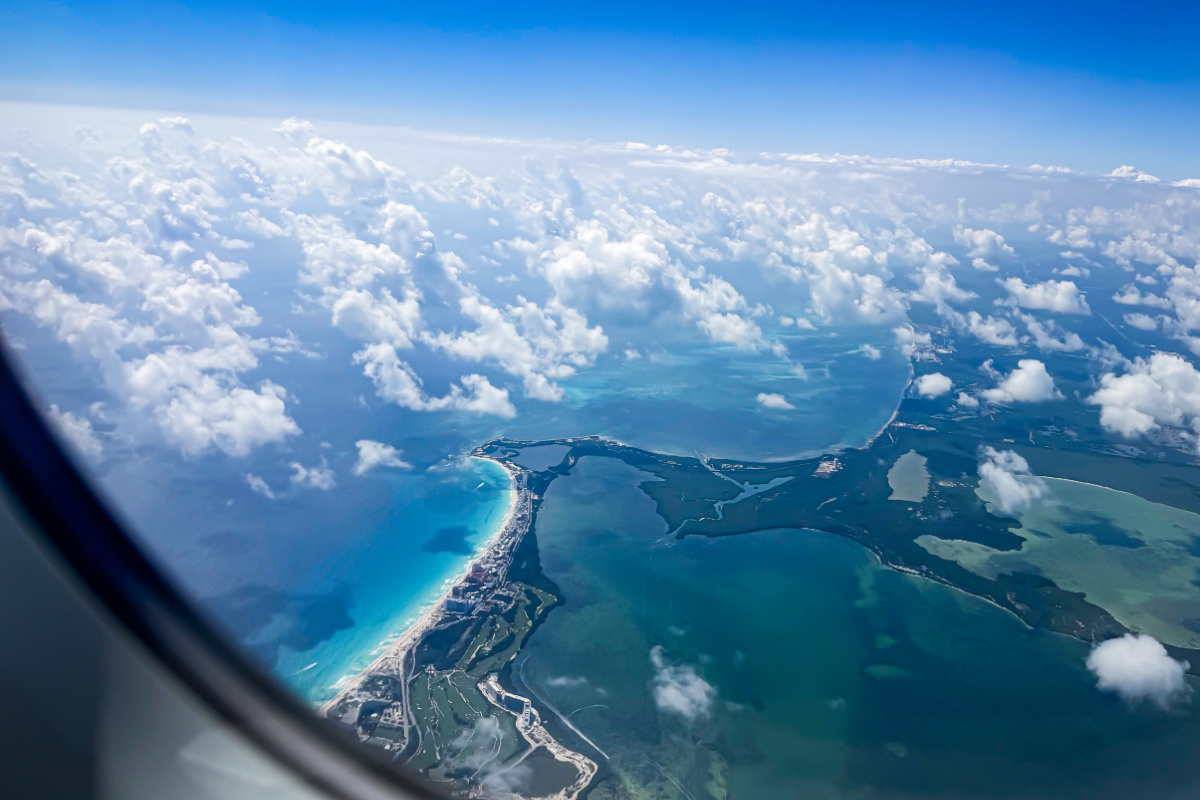 thecancunsun.comWhy September Is The Cheapest Month To Fly To Cancun (And The Best Hubs For Sub-$250 Fares)September is the cheapest month to fly to Cancun, with average one-way fares around $217, driven by ultra-low-cost carrier competition and off-peak demand. Major hubs across the U.S. are seeing sub-$250 round-trip deals, and travelers can double savings by pairing cheap flights with heavily discount✦ Read ad free and get the full MichaelFilter · $5.50
Part of the MichaelFilter
Members read the whole piece — the writeup, the pull-lines, and the full transcript. Unlock access for $5.50.
Unlock the full reading · $5.50 →September is the cheapest month to fly to Cancun, with average one-way fares around $217, driven by ultra-low-cost carrier competition and off-peak demand. Major hubs across the U.S. are seeing sub-$250 round-trip deals, and travelers can double savings by pairing cheap flights with heavily discounted all-inclusive resorts during the slowest occupancy period. The trade-off is September's rainy weather and hurricane season risk, though 2024 shows unusually calm tropical conditions due to Saharan dust suppression.
Teaching:
• Use seasonal rhythms as a teaching metaphor: just as September offers optimal value for travel due to lower demand, consistent daily practice during 'off-peak' personal energy times builds resilience and reveals hidden capacity
• Frame the carrier war pricing dynamic as embodied competition: when students feel competitive pressure in class, remind them that their practice deepens when they stop competing and instead exploit the 'market inefficiency' of their own untapped attention
• Teach the concept of 'double-dipping' savings as layering practice elements: combining breath work with bandha engagement, or pairing a challenging asana with a mental anchor, multiplies the benefit beyond linear addition
• Address the weather trade-off as practice reality: optimal conditions (cheap flights, empty shala, personal time) often come with challenges (rain, hurricane risk, low motivation)—the practice is showing up anyway with appropriate preparation
Writing seeds:
• Essay: 'The Off-Season Practice'—exploring how consistent practice during life's low-demand periods (illness, travel, grief, boredom) builds capacity that pays dividends during high-season intensity
• Shala Daily post: 'Carrier Wars and the Attention Economy'—how ultra-low-cost carriers flooding routes mirrors how infinite content options devalue our attention, and why a committed practice is the 'legacy carrier' worth paying for
• Short piece: 'Double-Dipping Your Practice'—practical examples of how to layer practice elements (breath + bandha, asana + drishti, movement + mantra) to multiply benefits beyond simple addition
• Essay: 'Always Purchase Travel Insurance'—using the hurricane season metaphor to discuss why every serious practice needs 'insurance' (teacher support, community, flexibility, rest protocols) against inevitable disruption
Idea map:
• Systems literacy: The article reveals how airline pricing is an emergent property of carrier competition, seasonal demand, and atmospheric conditions—practice operates similarly as the emergent result of breath, attention, repetition, and life circumstances
• Embodiment and timing: Just as the best travel deals require understanding seasonal rhythms and booking windows, effective practice requires reading your own rhythms (energy, injury cycles, life demands) and acting within optimal windows
• Attention as scarce resource: The 'carrier war' shows how abundance (many cheap flights) paradoxically creates decision fatigue—similarly, infinite yoga content devalues attention, making committed daily practice the 'legacy carrier' worth the premium
• Practice as method for navigating uncertainty: The article's emphasis on travel insurance and weather trade-offs mirrors how practice doesn't eliminate life's hurricanes but builds the capacity to navigate them skillfully
Source: https://thecancunsun.com/why-september-is-the-cheapest-month-to-fly-to-cancun-and-the-best-hubs-for-sub-250-fares/
Teaching:
• Use seasonal rhythms as a teaching metaphor: just as September offers optimal value for travel due to lower demand, consistent daily practice during 'off-peak' personal energy times builds resilience and reveals hidden capacity
• Frame the carrier war pricing dynamic as embodied competition: when students feel competitive pressure in class, remind them that their practice deepens when they stop competing and instead exploit the 'market inefficiency' of their own untapped attention
• Teach the concept of 'double-dipping' savings as layering practice elements: combining breath work with bandha engagement, or pairing a challenging asana with a mental anchor, multiplies the benefit beyond linear addition
• Address the weather trade-off as practice reality: optimal conditions (cheap flights, empty shala, personal time) often come with challenges (rain, hurricane risk, low motivation)—the practice is showing up anyway with appropriate preparation
Writing seeds:
• Essay: 'The Off-Season Practice'—exploring how consistent practice during life's low-demand periods (illness, travel, grief, boredom) builds capacity that pays dividends during high-season intensity
• Shala Daily post: 'Carrier Wars and the Attention Economy'—how ultra-low-cost carriers flooding routes mirrors how infinite content options devalue our attention, and why a committed practice is the 'legacy carrier' worth paying for
• Short piece: 'Double-Dipping Your Practice'—practical examples of how to layer practice elements (breath + bandha, asana + drishti, movement + mantra) to multiply benefits beyond simple addition
• Essay: 'Always Purchase Travel Insurance'—using the hurricane season metaphor to discuss why every serious practice needs 'insurance' (teacher support, community, flexibility, rest protocols) against inevitable disruption
Idea map:
• Systems literacy: The article reveals how airline pricing is an emergent property of carrier competition, seasonal demand, and atmospheric conditions—practice operates similarly as the emergent result of breath, attention, repetition, and life circumstances
• Embodiment and timing: Just as the best travel deals require understanding seasonal rhythms and booking windows, effective practice requires reading your own rhythms (energy, injury cycles, life demands) and acting within optimal windows
• Attention as scarce resource: The 'carrier war' shows how abundance (many cheap flights) paradoxically creates decision fatigue—similarly, infinite yoga content devalues attention, making committed daily practice the 'legacy carrier' worth the premium
• Practice as method for navigating uncertainty: The article's emphasis on travel insurance and weather trade-offs mirrors how practice doesn't eliminate life's hurricanes but builds the capacity to navigate them skillfully
Source: https://thecancunsun.com/why-september-is-the-cheapest-month-to-fly-to-cancun-and-the-best-hubs-for-sub-250-fares/
Notes from the field
No notes yet · members & customers welcome
- No notes yet. Be the first to leave one.
Join MichaelFilter
Michael Joel Hall’s daily reading — the field journal, critical-thinking cards, and synthesis — as a membership.
$5.50/month · cancel anytime
Join — $5.50/mo →Secure checkout on theyoga.club. A yearly option ($55) is available there too.