
“Museum Café (partnership with local coffee experts Slipstream) Grand Opening and Free Community Day” at The National Museum of Women in the Arts
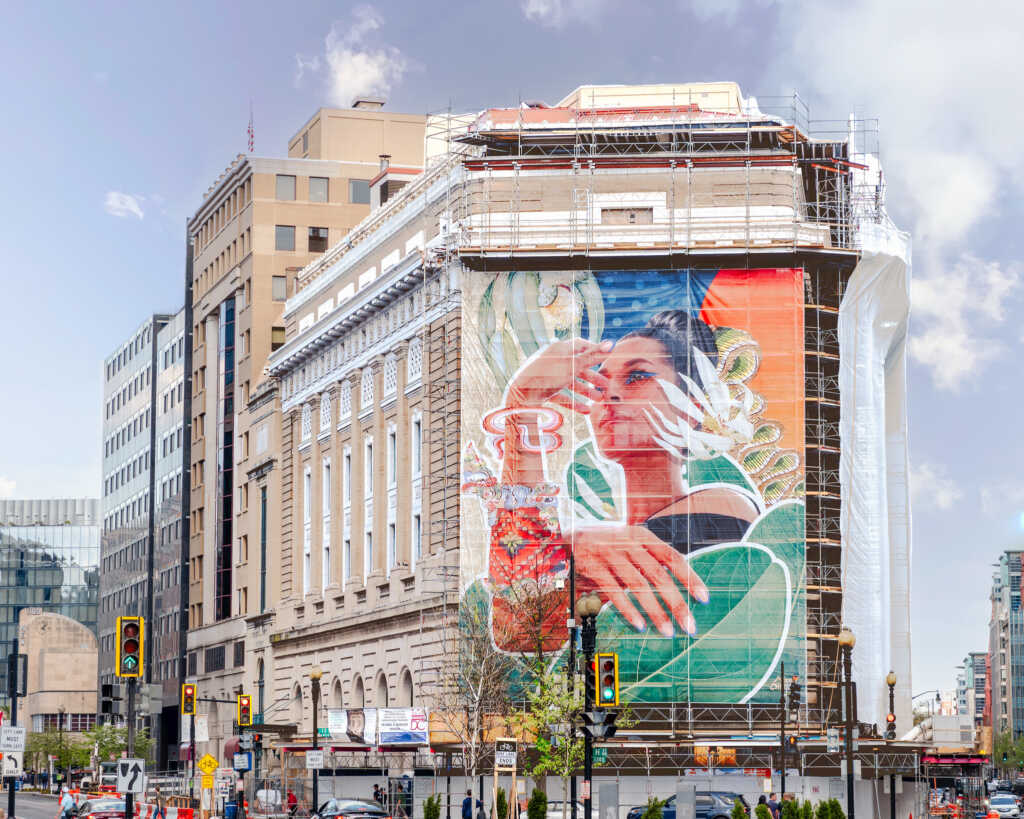 popville.com“Museum Café (partnership with local coffee experts Slipstream) Grand Opening and Free Community Day” at The National Museum of Women in the ArtsThe National Museum of Women in the Arts opened a new café in partnership with DC roaster Slipstream, featuring a Colombian coffee line cultivated exclusively by female farmers. The opening coincided with a Free Community Day offering extended hours, drop-in art activities, gallery talks, and tours✦ Read ad free and get the full MichaelFilter · $5.50
Part of the MichaelFilter
Members read the whole piece — the writeup, the pull-lines, and the full transcript. Unlock access for $5.50.
Unlock the full reading · $5.50 →The National Museum of Women in the Arts opened a new café in partnership with DC roaster Slipstream, featuring a Colombian coffee line cultivated exclusively by female farmers. The opening coincided with a Free Community Day offering extended hours, drop-in art activities, gallery talks, and tours celebrating women artists.
Teaching:
• Use the female-farmer coffee sourcing as an example of intentional systems design—how choosing one supplier over another shapes entire supply chains and communities, just as choosing one breath pattern over another shapes practice outcomes
• Frame the museum's commitment to representation as parallel to how we sequence asana: what gets included, what gets centered, and what gets left out all reflect underlying values and create different experiences
• Connect the café's 'spaces built for connection' mission to shala design—physical environments either support or obstruct the relational work of practice
• Reference the free community days and accessibility pricing as models for how practice spaces can lower barriers without compromising sustainability
Writing seeds:
• Essay on sourcing and systems: trace the coffee supply chain from Huila female farmers to DC museum café, then parallel it with how we source our practice lineages and what gets transmitted or lost in each handoff
• Short post on representation in practice spaces: who gets seen, who gets centered, whose bodies and stories shape the default assumptions in yoga marketing and instruction
• Piece on pricing and access in yoga: compare NMWA's tiered admission model (free for under-21, SNAP holders, first Sundays) to typical studio pricing structures and what they signal about who belongs
• Reflection on third spaces: why cafés, museums, and shalas all function as 'spaces built for connection' and what design principles make that connection possible or impossible
Idea map:
• The female-farmer sourcing illustrates systems literacy in action—every transaction is a vote for a particular system, whether it's coffee, yoga teacher training, or which students get attention in class
• The museum's mission to address gender imbalance in art connects directly to MJH's work on embodiment and whose bodies are treated as default or deviant in practice spaces
• Free Community Days and tiered pricing model the kind of access design that acknowledges practice (whether art or asana) as a public good, not just a luxury commodity
• Slipstream's 'great coffee made easy in spaces built for connection' parallels MJH's functional Ashtanga approach—stripping away mystification while maintaining depth and creating conditions for genuine encounter
Source: https://www.popville.com/2026/07/museum-cafe-partnership-coffee-experts-slipstream-museum-of-women-in-the-arts/
Teaching:
• Use the female-farmer coffee sourcing as an example of intentional systems design—how choosing one supplier over another shapes entire supply chains and communities, just as choosing one breath pattern over another shapes practice outcomes
• Frame the museum's commitment to representation as parallel to how we sequence asana: what gets included, what gets centered, and what gets left out all reflect underlying values and create different experiences
• Connect the café's 'spaces built for connection' mission to shala design—physical environments either support or obstruct the relational work of practice
• Reference the free community days and accessibility pricing as models for how practice spaces can lower barriers without compromising sustainability
Writing seeds:
• Essay on sourcing and systems: trace the coffee supply chain from Huila female farmers to DC museum café, then parallel it with how we source our practice lineages and what gets transmitted or lost in each handoff
• Short post on representation in practice spaces: who gets seen, who gets centered, whose bodies and stories shape the default assumptions in yoga marketing and instruction
• Piece on pricing and access in yoga: compare NMWA's tiered admission model (free for under-21, SNAP holders, first Sundays) to typical studio pricing structures and what they signal about who belongs
• Reflection on third spaces: why cafés, museums, and shalas all function as 'spaces built for connection' and what design principles make that connection possible or impossible
Idea map:
• The female-farmer sourcing illustrates systems literacy in action—every transaction is a vote for a particular system, whether it's coffee, yoga teacher training, or which students get attention in class
• The museum's mission to address gender imbalance in art connects directly to MJH's work on embodiment and whose bodies are treated as default or deviant in practice spaces
• Free Community Days and tiered pricing model the kind of access design that acknowledges practice (whether art or asana) as a public good, not just a luxury commodity
• Slipstream's 'great coffee made easy in spaces built for connection' parallels MJH's functional Ashtanga approach—stripping away mystification while maintaining depth and creating conditions for genuine encounter
Source: https://www.popville.com/2026/07/museum-cafe-partnership-coffee-experts-slipstream-museum-of-women-in-the-arts/
Notes from the field
No notes yet · members & customers welcome
- No notes yet. Be the first to leave one.
Join MichaelFilter
Michael Joel Hall’s daily reading — the field journal, critical-thinking cards, and synthesis — as a membership.
$5.50/month · cancel anytime
Join — $5.50/mo →Secure checkout on theyoga.club. A yearly option ($55) is available there too.