
Militant LGBTQ+ rights group ‘the Lavender Panthers’ was founded on this day in 1973
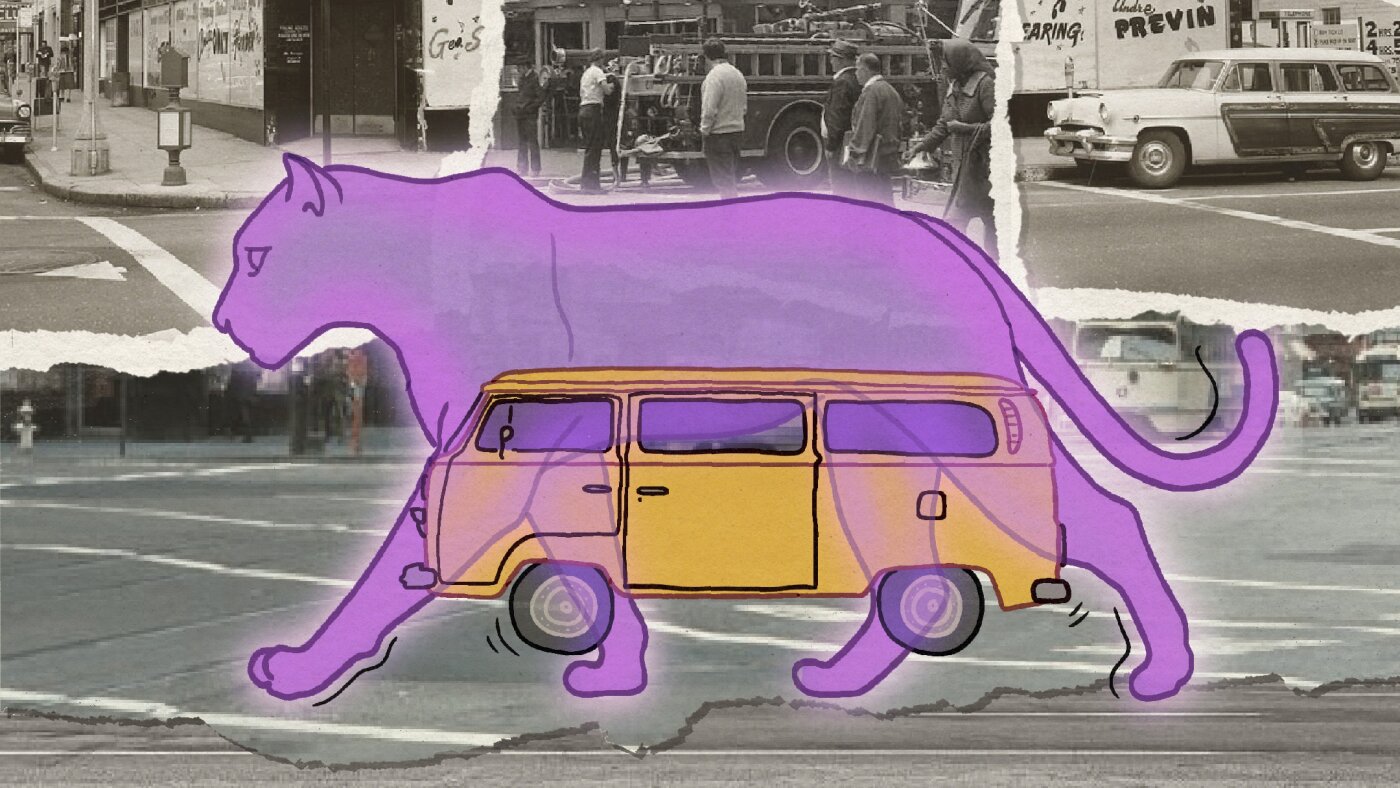 npr.orgMilitant LGBTQ+ rights group 'the Lavender Panthers' was founded on this day in 1973In 1973, gay preacher Ray Broshears founded the Lavender Panthers, a street vigilante group protecting LGBTQ+ people in San Francisco's Tenderloin from violent attacks. Though controversial and problematic, the group exemplified community-led mutual aid filling gaps left by a homophobic society, and✦ Read ad free and get the full MichaelFilter · $5.50
Part of the MichaelFilter
Members read the whole piece — the writeup, the pull-lines, and the full transcript. Unlock access for $5.50.
Unlock the full reading · $5.50 →In 1973, gay preacher Ray Broshears founded the Lavender Panthers, a street vigilante group protecting LGBTQ+ people in San Francisco's Tenderloin from violent attacks. Though controversial and problematic, the group exemplified community-led mutual aid filling gaps left by a homophobic society, and served as a predecessor to later queer defense movements. Most similar groups operated quietly and have been lost to history; the Lavender Panthers survive in archives largely because Broshears courted publicity through stunts and media engagement.
Teaching:
• When institutions fail to protect vulnerable bodies, communities create their own systems of care—discuss how students build mutual support networks within the shala
• The practice room as sanctuary space: how showing up consistently for each other creates safety that formal structures don't provide
• Visibility versus safety trade-offs in practice—when to be seen (demonstrating), when to work in shadow (internal adjustments)
• Controversial methods can still serve essential functions—acknowledge students who practice in ways that don't fit mainstream yoga narratives
Writing seeds:
• Essay on the shala as mutual aid network: how daily practitioners become informal guardians of each other's safety and progress
• Post contrasting visible activism (Broshears' stunts) with quiet practice (shadow groups)—which approach serves systems change in yoga culture
• Piece on filling institutional gaps: what happens when yoga studios don't serve marginalized bodies, and how practitioners create alternatives
• Short reflection on controversial figures in yoga lineages—holding complexity around flawed teachers who still advanced access
Idea map:
• Systems literacy: recognizing when formal systems fail and informal networks emerge to meet actual needs—parallels how students self-organize practice support
• Embodiment as political act: physical presence in hostile spaces (Tenderloin patrols, queer bodies in conservative yoga rooms) as resistance
• Attention to who gets archived: Broshears documented because he courted visibility; most mutual aid invisible—mirrors whose practice stories get told
• Practice as method for community resilience: daily showing up creates safety infrastructure that institutions won't provide
Source: https://www.npr.org/sections/the-picture-show/2026/07/06/g-s1-131803/lgbtqia-group-lavender-panthers-founded-1973
Teaching:
• When institutions fail to protect vulnerable bodies, communities create their own systems of care—discuss how students build mutual support networks within the shala
• The practice room as sanctuary space: how showing up consistently for each other creates safety that formal structures don't provide
• Visibility versus safety trade-offs in practice—when to be seen (demonstrating), when to work in shadow (internal adjustments)
• Controversial methods can still serve essential functions—acknowledge students who practice in ways that don't fit mainstream yoga narratives
Writing seeds:
• Essay on the shala as mutual aid network: how daily practitioners become informal guardians of each other's safety and progress
• Post contrasting visible activism (Broshears' stunts) with quiet practice (shadow groups)—which approach serves systems change in yoga culture
• Piece on filling institutional gaps: what happens when yoga studios don't serve marginalized bodies, and how practitioners create alternatives
• Short reflection on controversial figures in yoga lineages—holding complexity around flawed teachers who still advanced access
Idea map:
• Systems literacy: recognizing when formal systems fail and informal networks emerge to meet actual needs—parallels how students self-organize practice support
• Embodiment as political act: physical presence in hostile spaces (Tenderloin patrols, queer bodies in conservative yoga rooms) as resistance
• Attention to who gets archived: Broshears documented because he courted visibility; most mutual aid invisible—mirrors whose practice stories get told
• Practice as method for community resilience: daily showing up creates safety infrastructure that institutions won't provide
Source: https://www.npr.org/sections/the-picture-show/2026/07/06/g-s1-131803/lgbtqia-group-lavender-panthers-founded-1973
Notes from the field
No notes yet · members & customers welcome
- No notes yet. Be the first to leave one.
Join MichaelFilter
Michael Joel Hall’s daily reading — the field journal, critical-thinking cards, and synthesis — as a membership.
$5.50/month · cancel anytime
Join — $5.50/mo →Secure checkout on theyoga.club. A yearly option ($55) is available there too.